Mornec came out on 1 November, on Dušičky. Two weeks on, some notes on the date, the year and the voice it is written in.
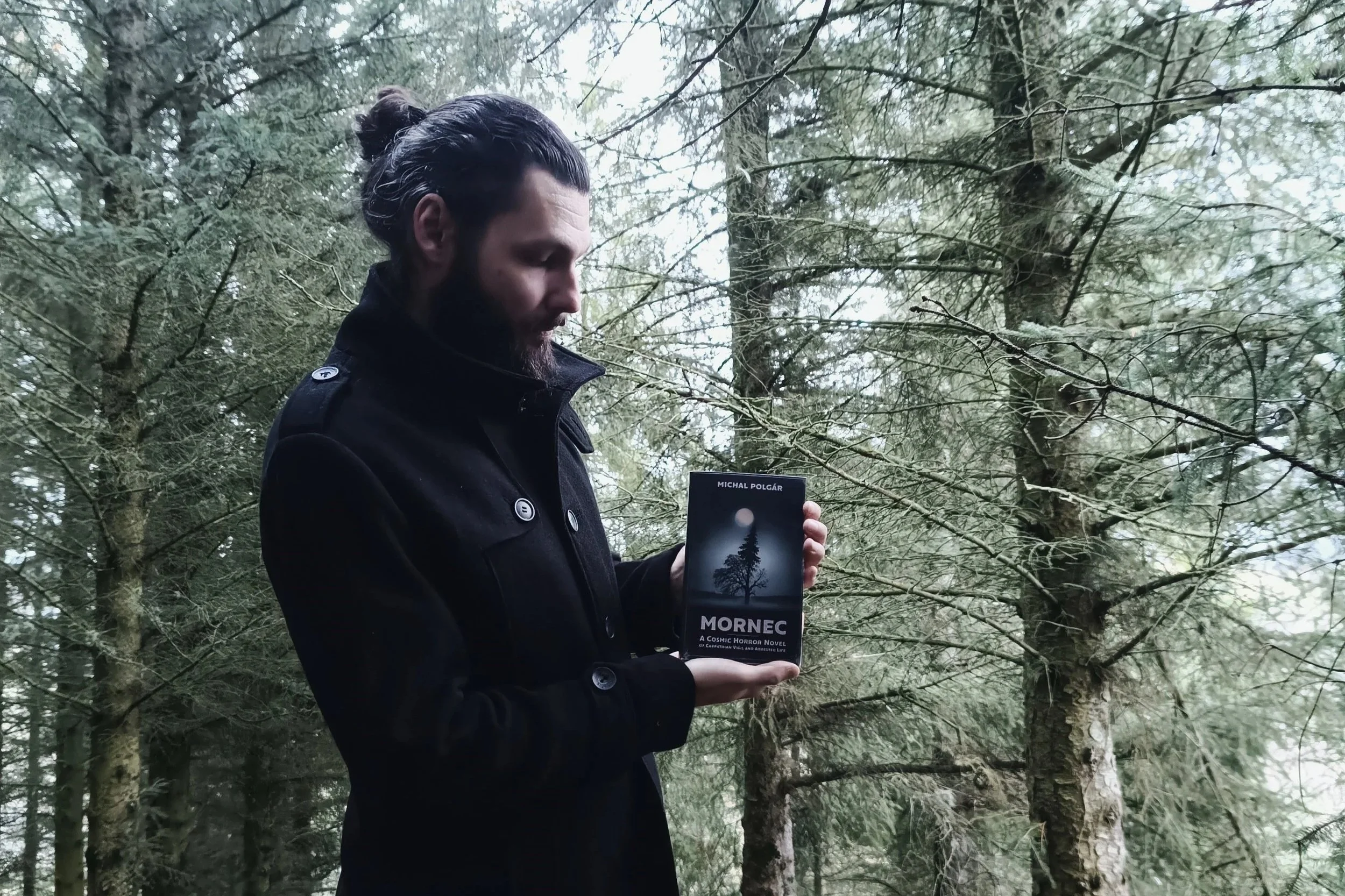
Mornec, Sør-Arnøy, Norway, 2026
The Date
Mornec came out on 1 November. In Slovakia that falls in Dušičky, a word that means roughly “little souls”. It covers the first days of November, when families go to the graves of their dead and light candles that burn on after dark. I chose the date because the story runs through those days and names them. I wrote about Dušičky at more length in an essay for Ginger Nuts of Horror, “The Last One Turns Off the Light”, which also goes back to Handlová and to an eighth-century cemetery I helped excavate in 2017. Jim McLeod published it on 28 October, four days ahead of the book.
It was also the first time I had put a book up for pre-order. I first spoke about this book in public at Stormen Bibliotek in Bodø in May, before its title was known. It went up for pre-order a month before it came out, and for that month people ordered a book they could not yet open, on trust. On the day it came out, it was the number one new release in Amazon’s Eastern European literature category. Almost two weeks later, as I write this, it still is.
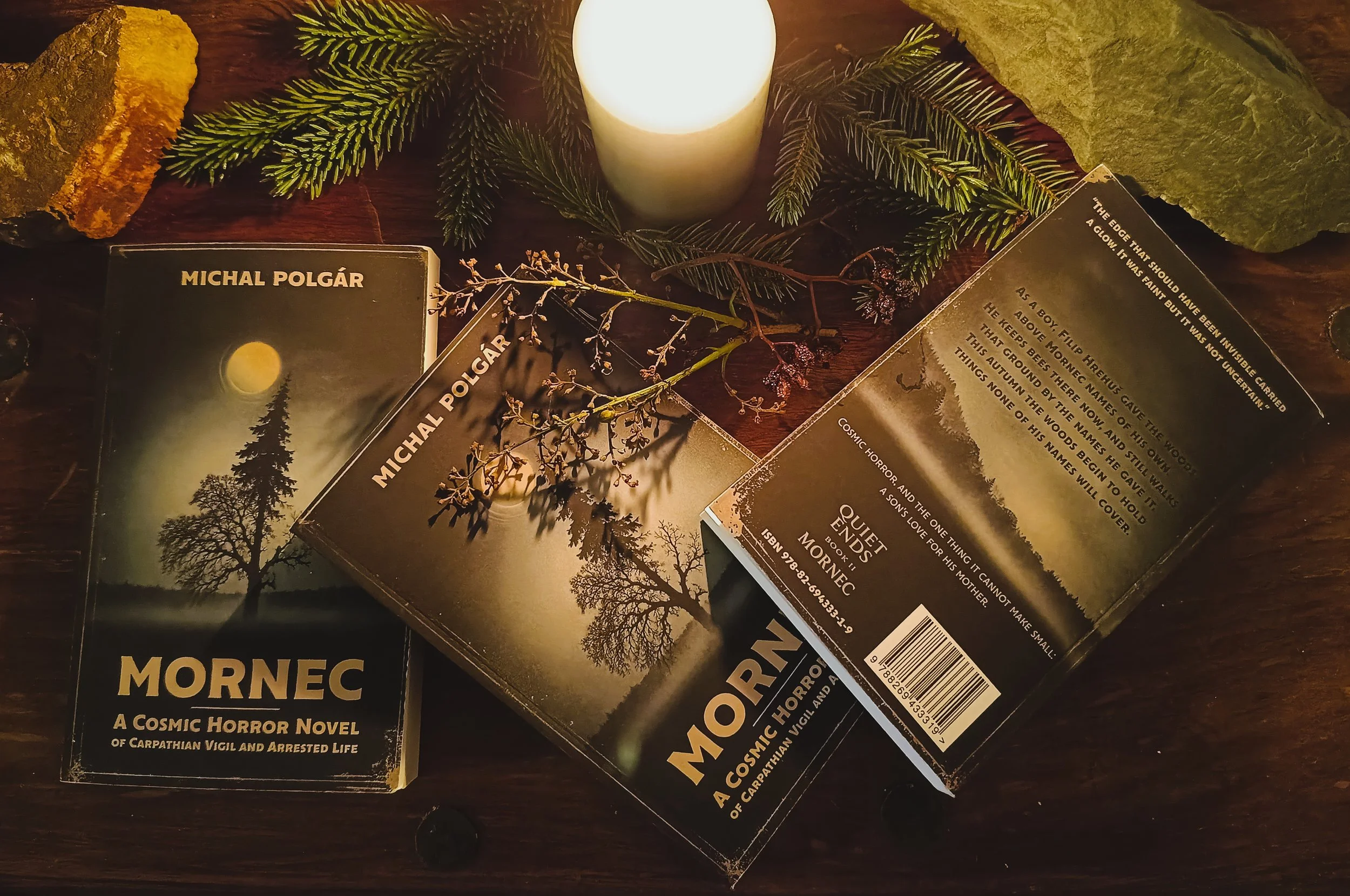
Mornec, Sør-Arnøy, Norway, 2026
The Moon
The first review came from Peter, who was also one of the first readers to review Krelløy. He wrote that the book was worth reading more than once, so I wrote back and told him one detail I did not expect anyone to notice. He answered that he had pictured the story earlier, somewhere in the sixties. That showed me how much of the book sits where most readers will not look. There are a number of details like this, and I decided to tell one of them here.
Mornec is set in 1993, though the year is never named. The hunt in the book needed a full moon on the Saturday before All Saints’ Day. In the end the moon chose the year. It was full on Saturday 30 October 1993. On the Sunday night it was still almost full, and All Saints’ Day fell on the Monday. No other year since 1950 has a full moon on that Saturday with All Saints’ Day on the Monday after.
That is also why there are no phones in the book. The line up the valley has been down since a storm two winters before, and mobile phones had not yet reached the hills. In a village like that, 1993 still looked a lot like the sixties, so Peter was not far off. Slovakia itself had been a country for ten months. The other details stay in the book.
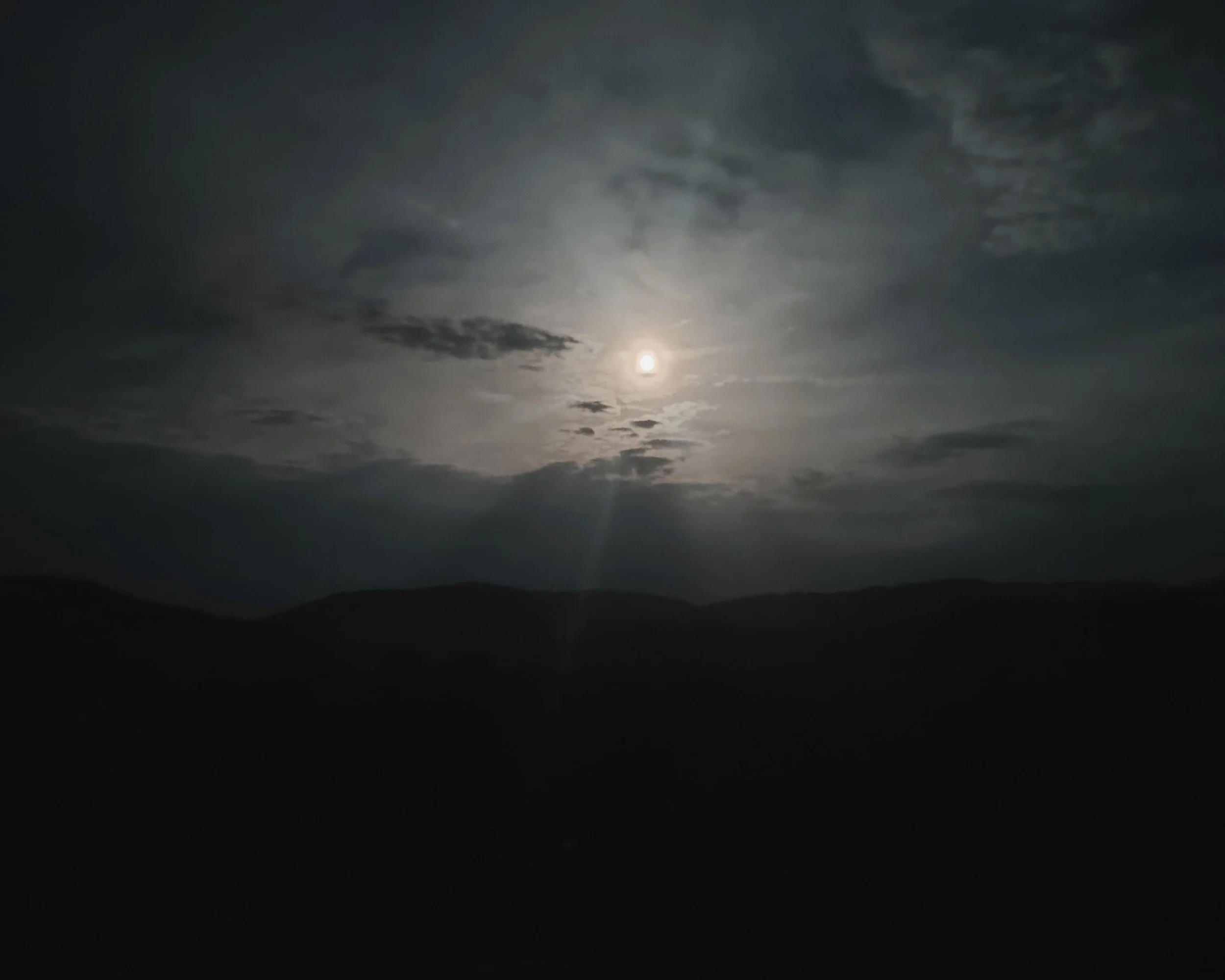
Handlová, Slovakia, 2026
Back to Slovakia
I wrote Mornec at night on Sør-Arnøy, more than two thousand kilometres north of the woods it is set in, and every night it took me back. A good part of what is in it comes from my own life. The rest I made up. Mornec itself is not on any map. It is put together from several villages I know, and what happens there that autumn is invented.
The forest is the one around Handlová, where I grew up. The hunting grounds are real. I have spent whole nights in the stands there, sometimes reading, sometimes just sitting with the night, the forest and the moon. In the novel, Filip’s grandfather reads books in a hunting stand. That habit is mine.
A few of the men who took me hunting there ended up in the book. One of them was up in the Lightning Stand on a night I went there. The stand has the same name in the novel, because that is what it is really called. I did not know anyone was up there. I walked to it in the dark and stopped right underneath. When I looked up, his eyes were already on me.
“What are you doing there?”
A man on a stand at night is waiting for something to move below him. That night it was me. He did not shoot, and I still count that in his favour. He went into the book as Jan Viček.
The book is dedicated to my mother. The dedication carries a meaning I would rather keep to myself. My grandfather taught me things I could not fit into this book, and I am saving them for later.
While I wrote it, I found I wanted the book to carry things that hold true outside the story: how a beekeeper keeps his hives, the names of the mushrooms in those woods, the stars a grandfather shows a boy. Part of that I learned in the summer I wrote about in “The Second Book”, among the apiaries and hunting outposts above Handlová.
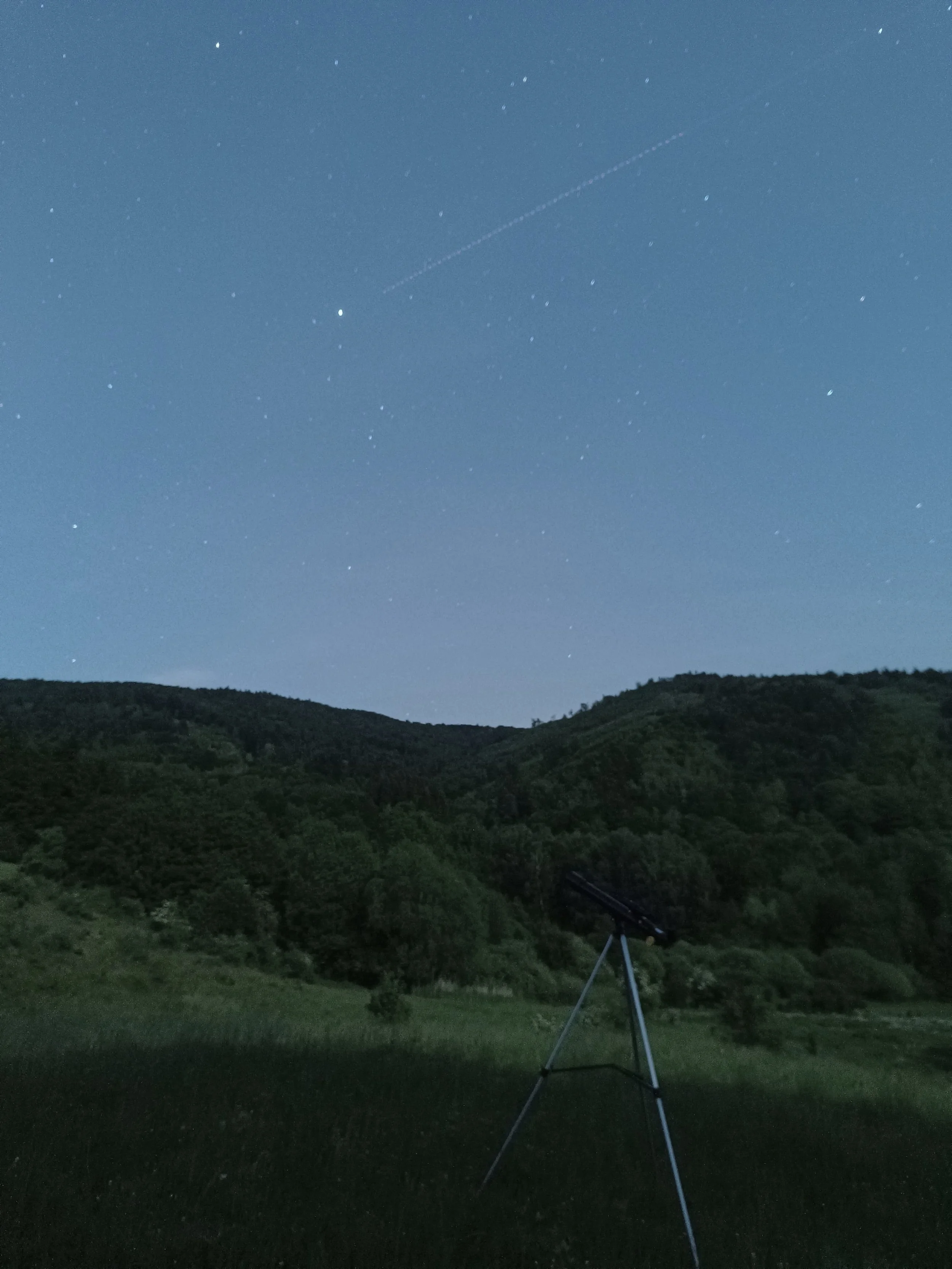
Stargazing, Handlová, Slovakia, 2026
Filip’s Voice
There is also a choice I made on purpose. Filip’s voice changes as the valley changes. The first chapter is written in long, careful sentences, the sentences of a man with time to look. As the autumn goes on they grow shorter and plainer, and by the later chapters he says things like “I had it off him”, the way people talk in the village below. The people around him speak the same way from the first chapter to the last. Only Filip changes.
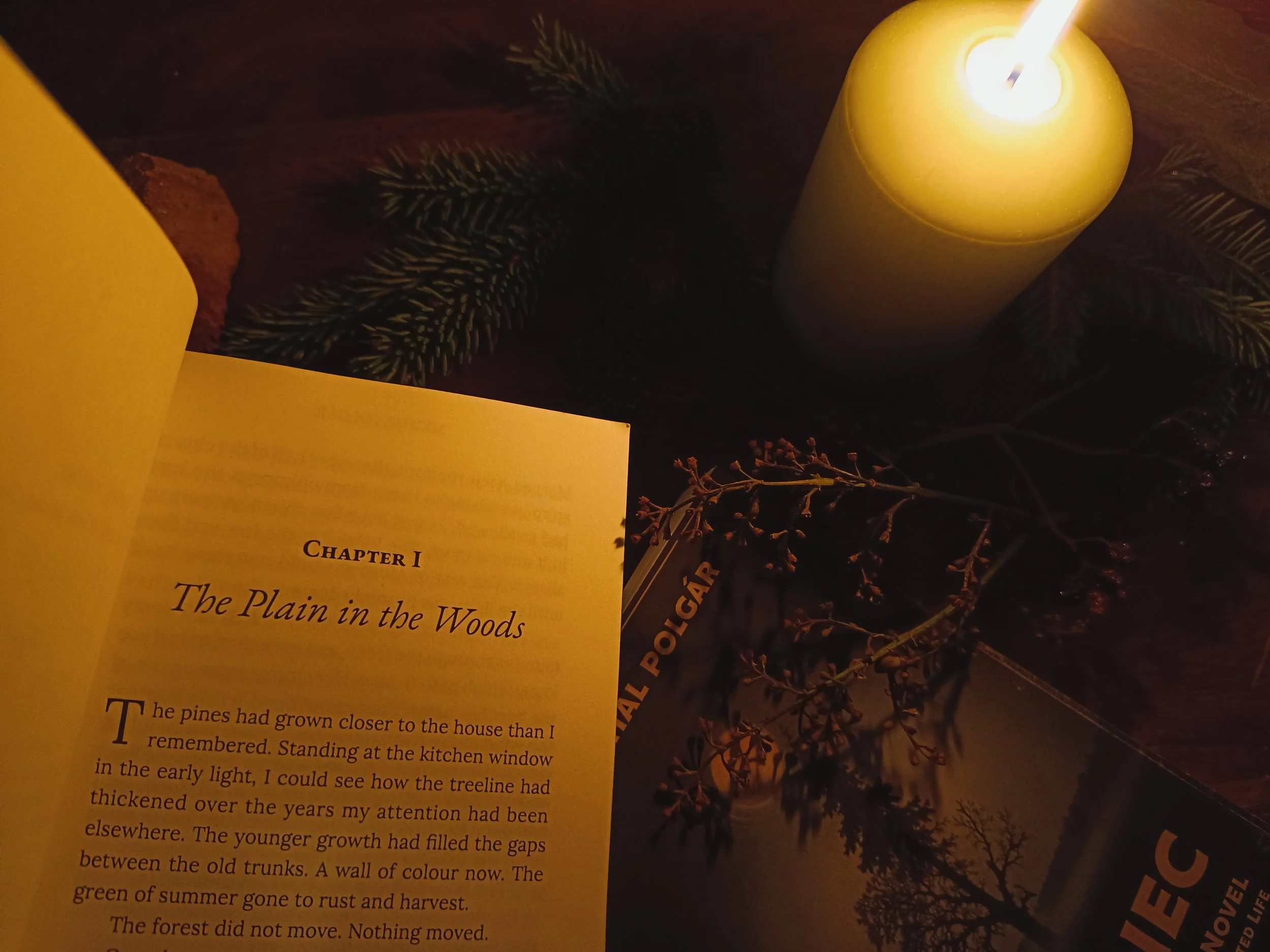
Mornec, Chapter I, Sør-Arnøy, Norway, 2026
The change is one of the book’s plot lines, carried in the sentences instead of the events. I will not say how far it goes, because that is part of what the book does. The choice has a cost, and I knew it at the time. A long run of short, plain sentences can read as flat to someone who came for the long ones.
≭
In June, in “The Second Book”, I wrote that this book would explain less than Krelløy and leave more to the reader. I meant it, though I did not know yet what that would mean once the book was out. Now I can see it. The gaps I left are no longer mine to fill. Peter filled one with the sixties. Other readers will fill them in their own ways, and a few will take the change in Filip’s voice for a fault. I can answer for one detail in a post like this. The rest belongs to whoever is reading.
Deeper
In June I posted a photograph of a small old house in a village near Handlová. When the paperback arrived, I had the feeling of that room again. It is close to what I feel on Dušičky, and I have never found the words for either.
Mornec changed me. It showed me what I keep returning to: the forest above Handlová, the nights out in it, the candles on the graves in November. Writing it put me, night after night, in the place I wanted to be. It also showed me that I care about being exact, about the right name for a mushroom and the right weekday for a full moon in 1993.
Somewhere in the writing of it, I understood that I want this work to go deeper. I have begun to think about a larger piece of work. I will not describe it yet. It is not decided, and I would rather not promise what I have not made.
All of it, the books and whatever grows around them, is my way of saying what I have to say: stories taken partly from my own life and partly from my imagination. Mornec was made that way, and the next book will be too.
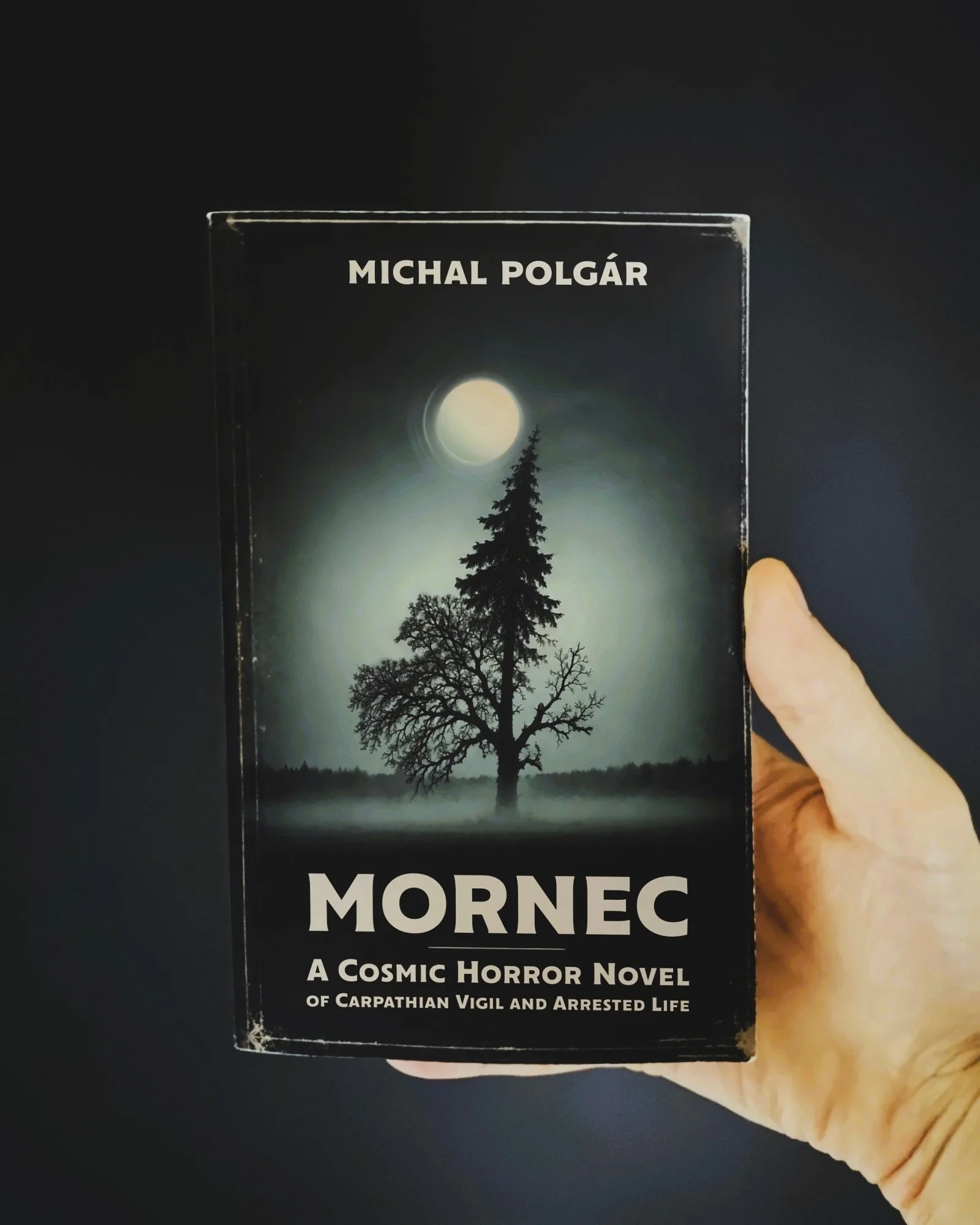
Mornec, Sør-Arnøy, Norway, 2026
In December I go home to Slovakia, and I will send paperbacks out from there. The paperback has the same size and the same lettering as Krelløy, so the two stand together on a shelf. Mornec is on Amazon as an ebook and a paperback.
Thank you to everyone who ordered it in the month before it came out, and to everyone who has picked it up since.