Handlová 48°43′ N · Sør-Arnøy 67°08′ N · Nairobi 1°17′ S
About
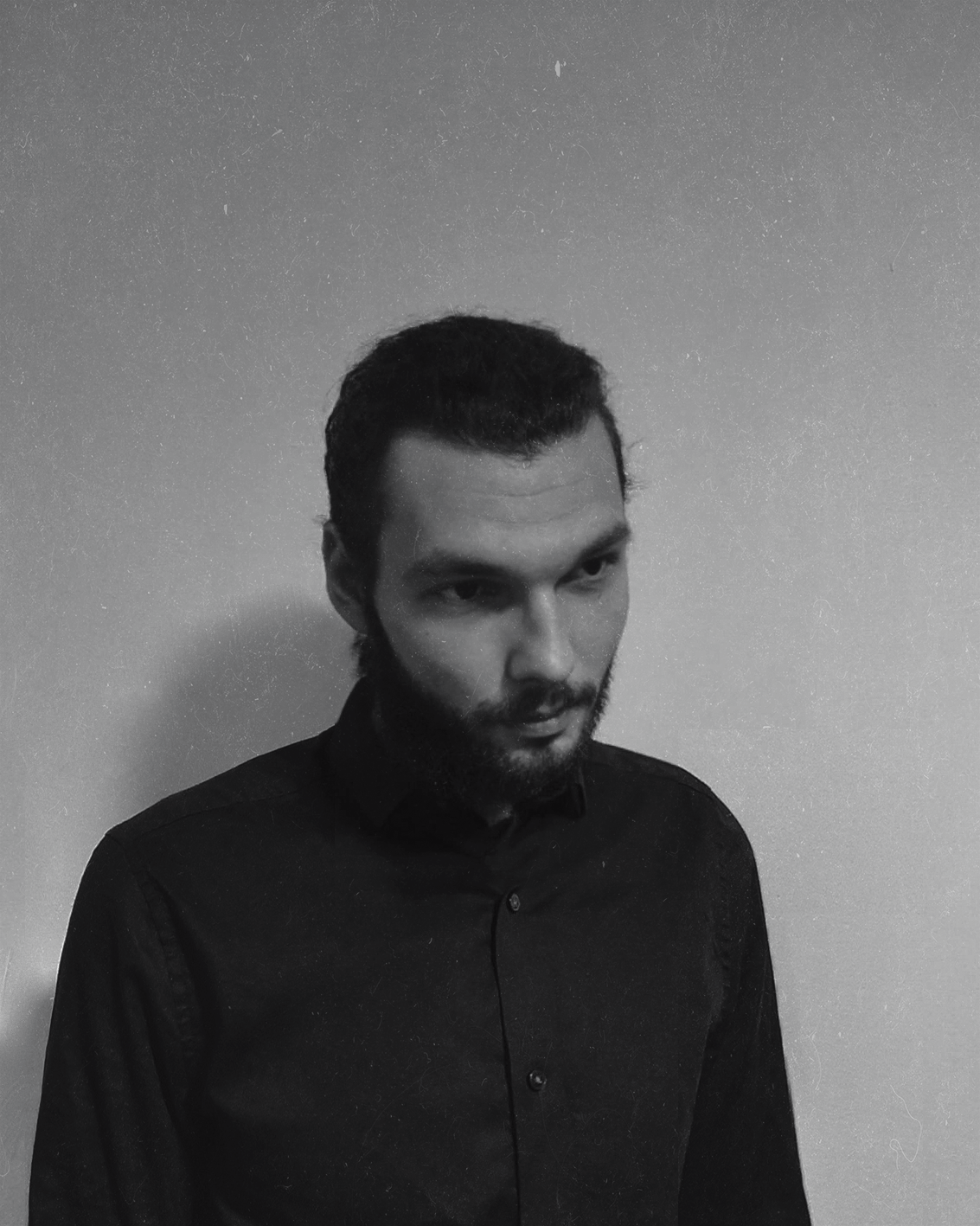
Michal Polgár writes weird fiction of cosmic and ecological horror. He was born in 1993 in Handlová, a coal-mining town in central Slovakia, and studied classical archaeology at the University of Trnava, where he wrote his thesis on fantastic animals in the funerary art of Archaic and Classical Greece.
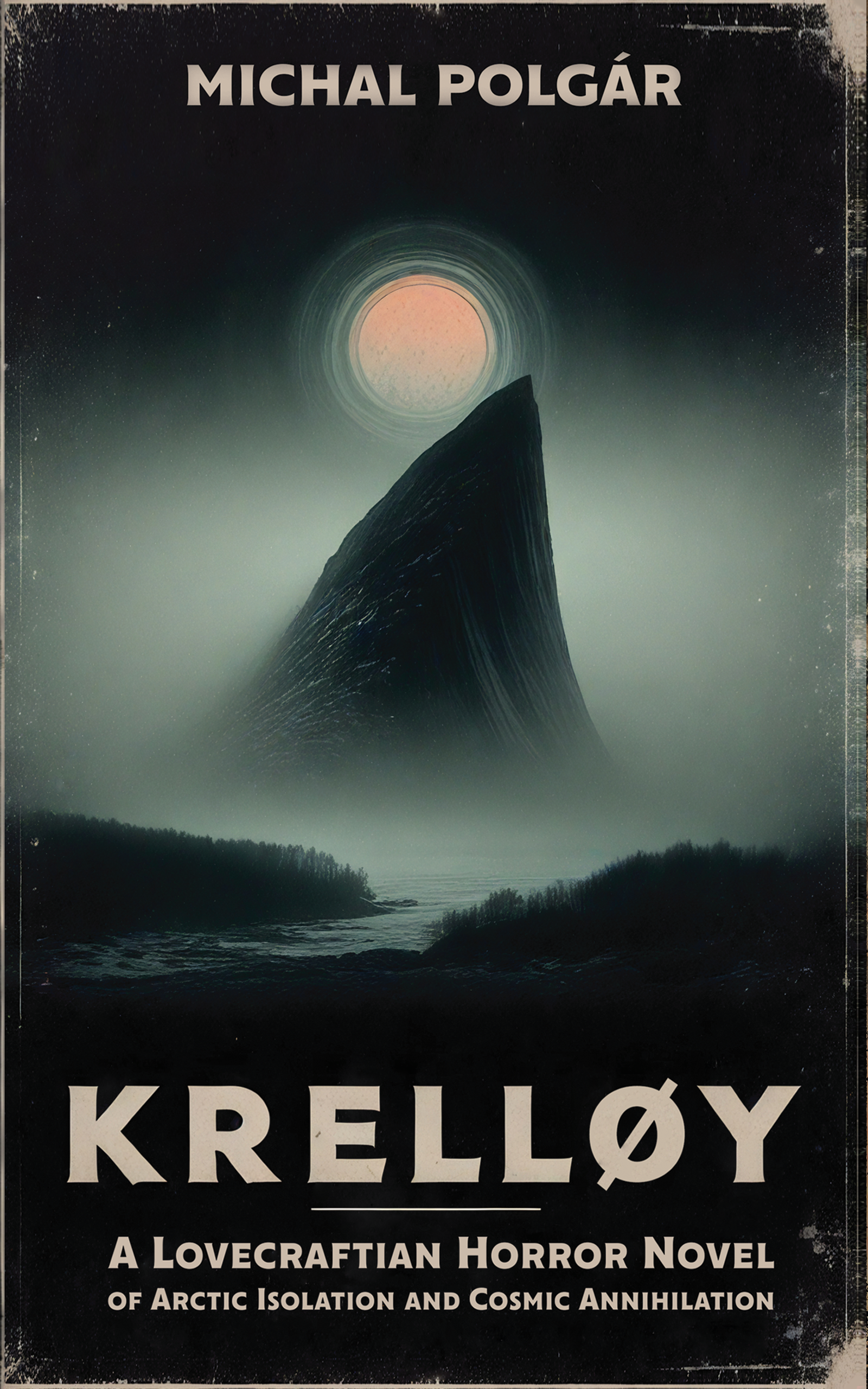
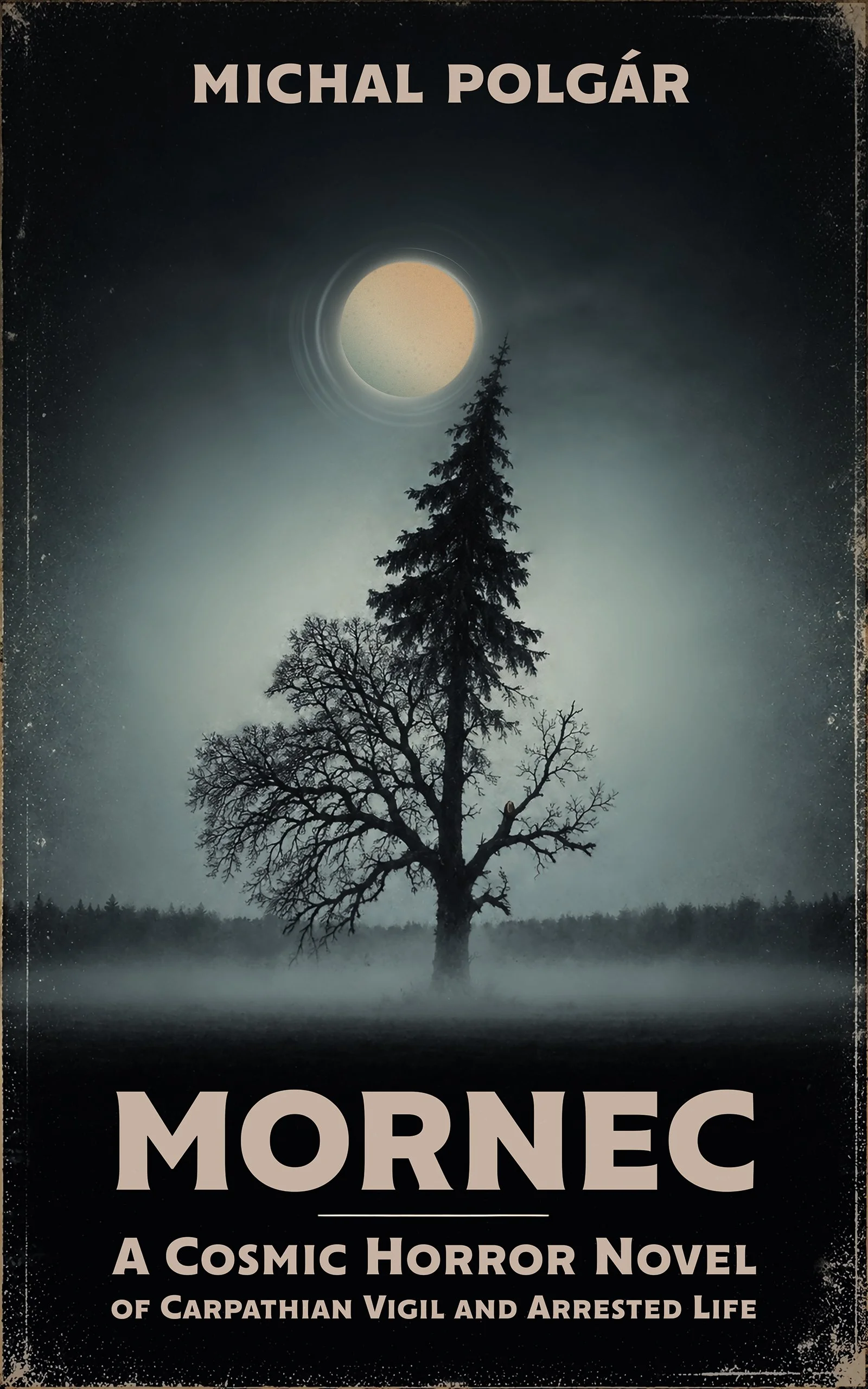
Since 2022 he has lived on Sør-Arnøy, a small island in Nordland, Northern Norway, where he currently writes. His novels Krelløy (2025) and Mornec (2026) open Quiet Ends, a series of standalone novels, each named after a place.
His books are held by the National Library of Norway and by public libraries in Bodø and Gildeskål, and his essays have appeared at Ginger Nuts of Horror. He writes in English.
The longer story, in my own words.
48°43′ N
Handlová
I was born in Handlová, a small mining town in central Slovakia, in 1993. From early on I was drawn to moods and atmospheres that were hard to put into words, and to the places most people pass by: abandoned buildings, forests, landscapes at night. What others found unsettling, I found worth staying for.
After secondary school I travelled across Europe and spent a period in England. In those years the need to express myself grew, and with it the search for a form that could hold what ordinary language could not.
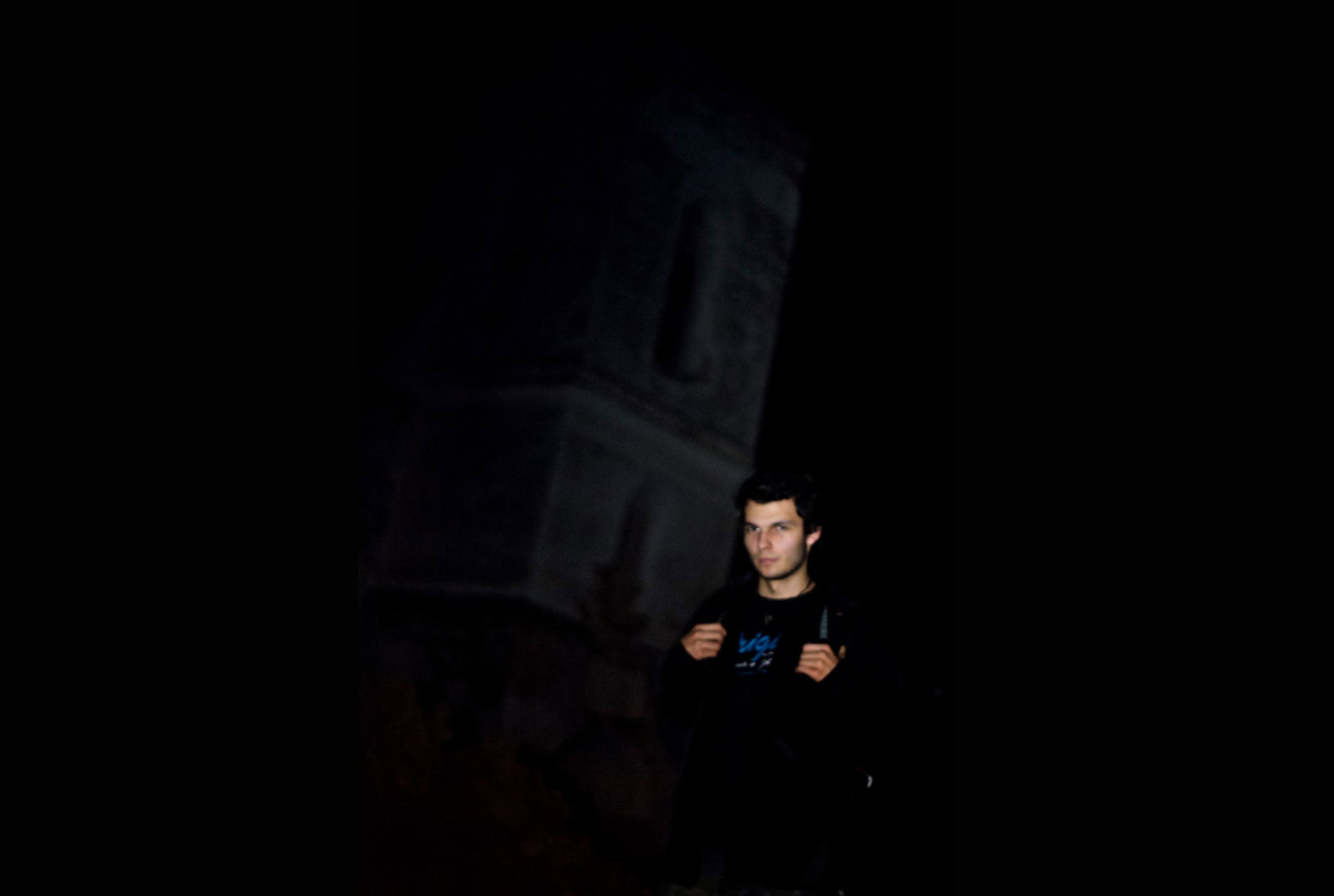
Žiar nad Hronom, Slovakia, 2014
48°22′ N
Trnava
At the University of Trnava I studied classical archaeology. I was drawn most to the sacred side of ancient life: ritual, cult and burial. My thesis, Fantastic Animals in the Funerary Iconography of Archaic and Classical Greece, followed the creatures the Greeks set at the threshold of death.
In the field I worked on excavations spanning tens of thousands of years, many of them burial grounds: from a Palaeolithic site of the Bohunician period near Brno, through an eighth-century Avar cemetery at Podunajské Biskupice in Bratislava and a Great Moravian site, to the ossuary beside the Basilica of St Nicholas in Trnava.
Archaeology is where my wish to pass on something real began, but it reaches beyond history. I want my books to carry knowledge worth keeping beneath the story and the dread: the oldest stories we have, the names of mushrooms and constellations, the wisdom people once lived by.
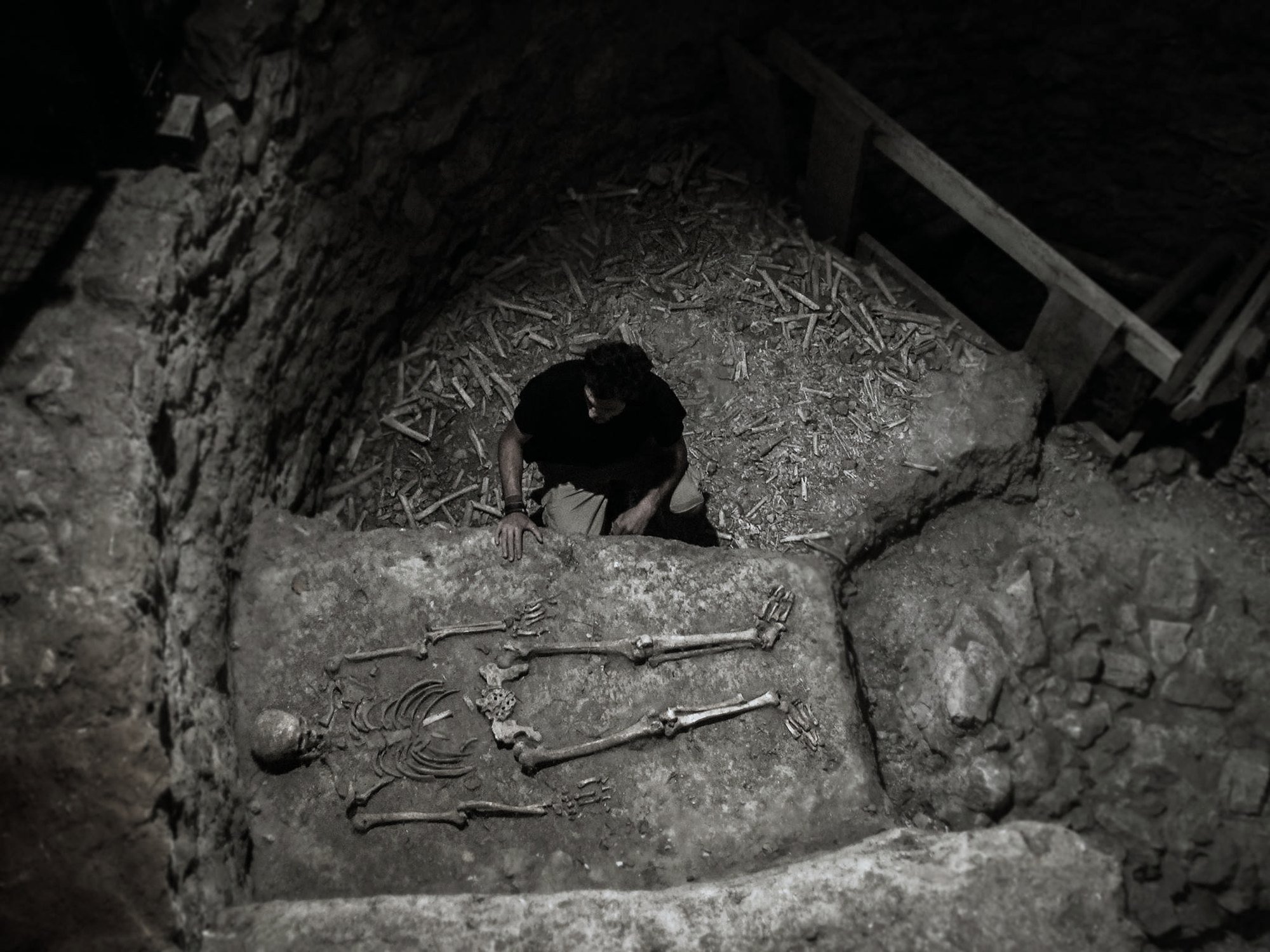
Ossuary by the Basilica of St. Nicholas, Trnava, 2016
67°08′ N
Sør-Arnøy
After my studies I returned to Handlová for a time, but the pause did not last. I wanted a landscape that would challenge me, and in 2022 the search brought me to Sør-Arnøy, a small island in Nordland, in the far north of Norway.
Sea, stone and shifting light. Polar night, and the aurora over the island. The isolation stripped away distraction and gave me the distance to look back at what I had made. I realised I no longer wanted only to compose atmospheres in sound. I wanted to give voice to the images and questions that had been building in me for years.
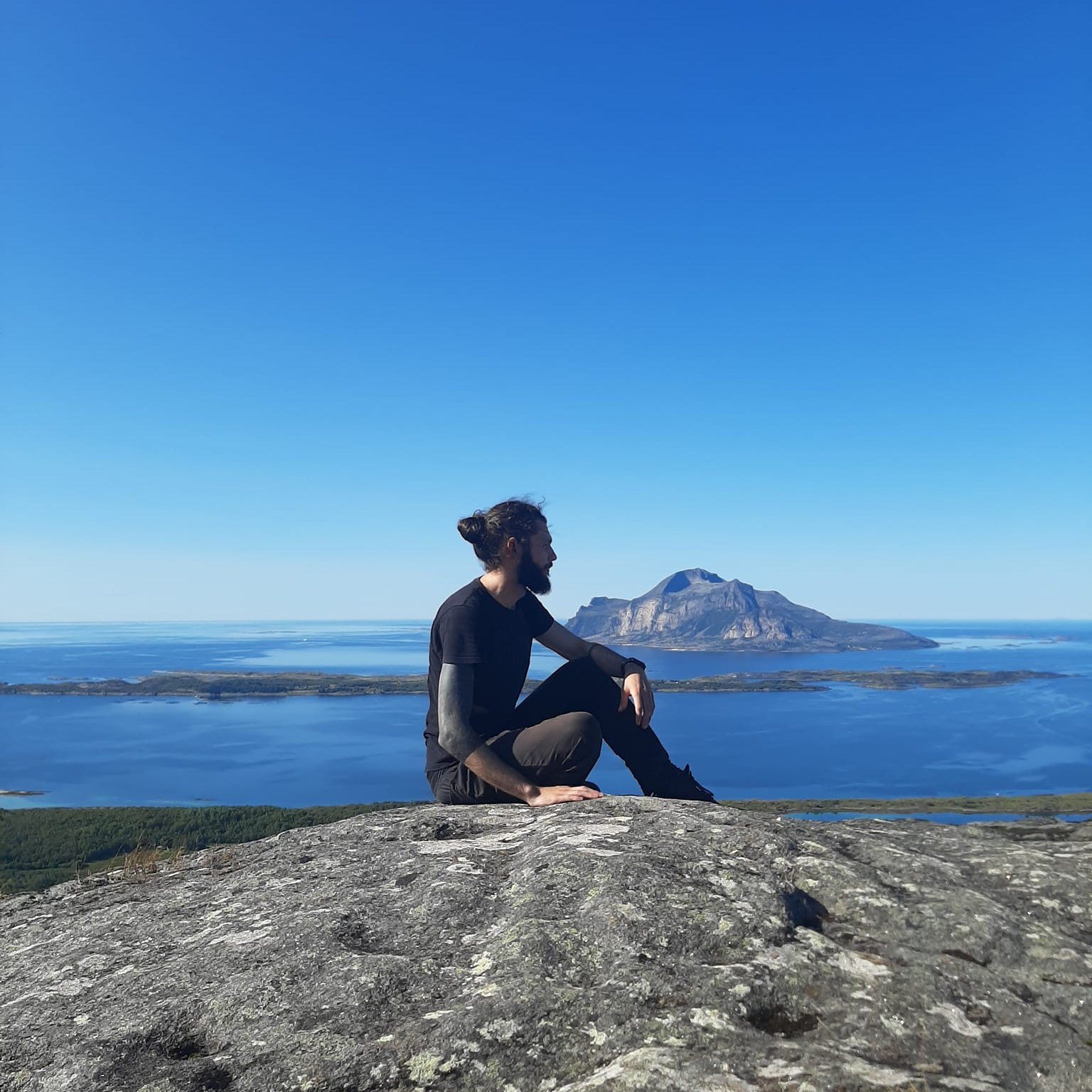
Høgfjellknubben, Norway, 2023
1°17′ S
Nairobi
On the island I began to write. In the same years I found love with “Linnet”, a woman from the Sabaot people of Kenya, and we spent long stretches together in Nairobi, exploring the city and its contrasts. Moving between the deep north and the equator, from polar night to heat and equatorial light, was disorienting at first. Then it became the ground we stood on together. In time I also went with her to Kongit, the rural village in Bungoma County she comes from.
Linnet, and the raw landscape of Sør-Arnøy, became the foundation of my first novel, Krelløy, published in 2025: a book rooted in lived experience and in the unknowable.
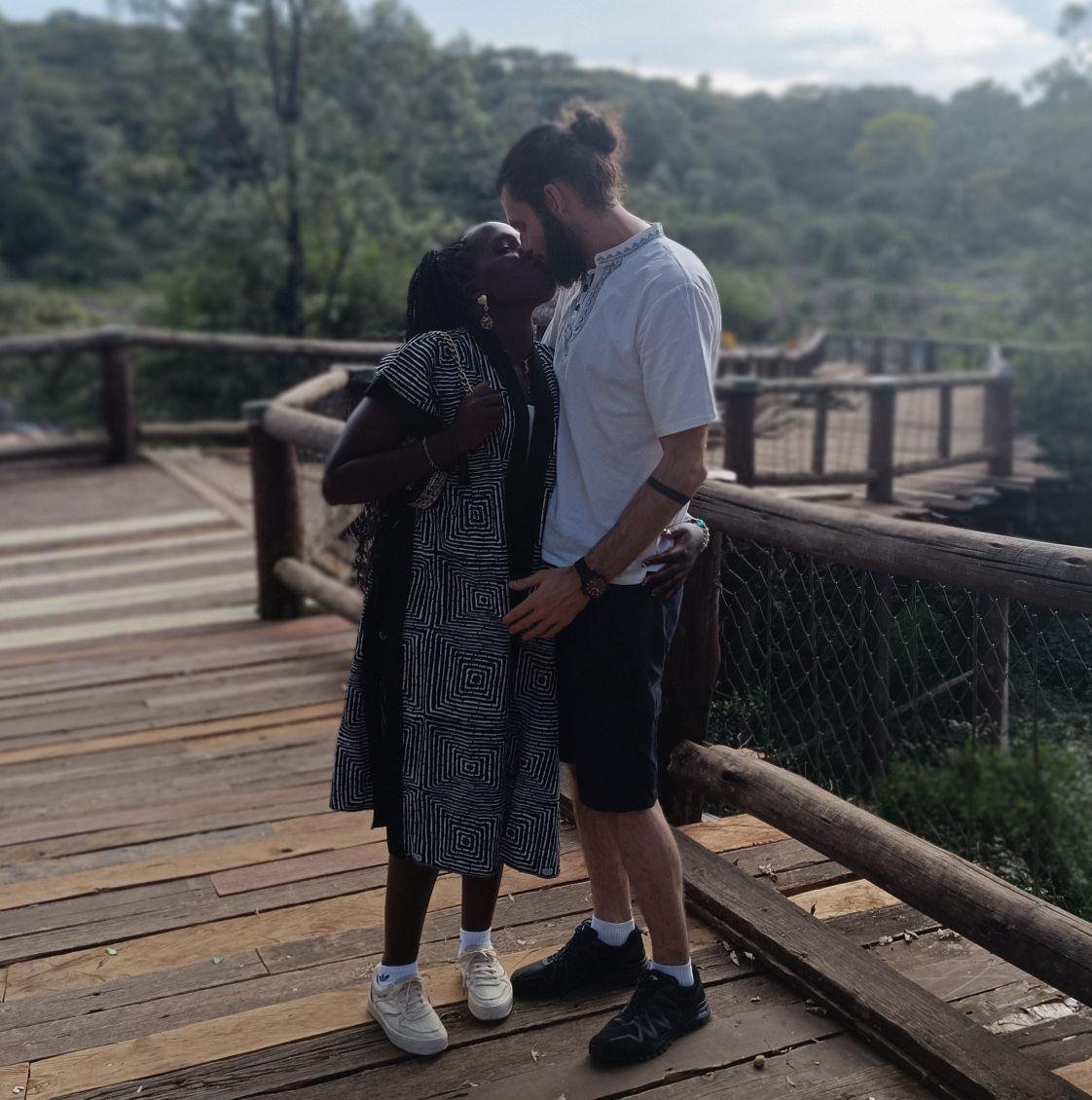
Nairobi, Kenya, 2024
67°17′ N
Bodø
Krelløy came out in 2025, as an ebook in July and in paperback in September. I presented it at a launch evening at Pellerie and at Stormen Bibliotek in Bodø, in the north where the book was written.
Then it entered libraries: the National Library of Norway, Stormen in Bodø, the public library in Gildeskål. For a writer from a Slovak mining town, writing in English on an Arctic island, seeing it on those shelves was the first real milestone. In November 2026 a second novel, Mornec, followed.
That was when I knew this was my path. For years the images and ideas I carried had lived only in my head; now they had a form, and readers. I am still learning, and I mean to keep getting better at saying the things that are hardest to put into words.
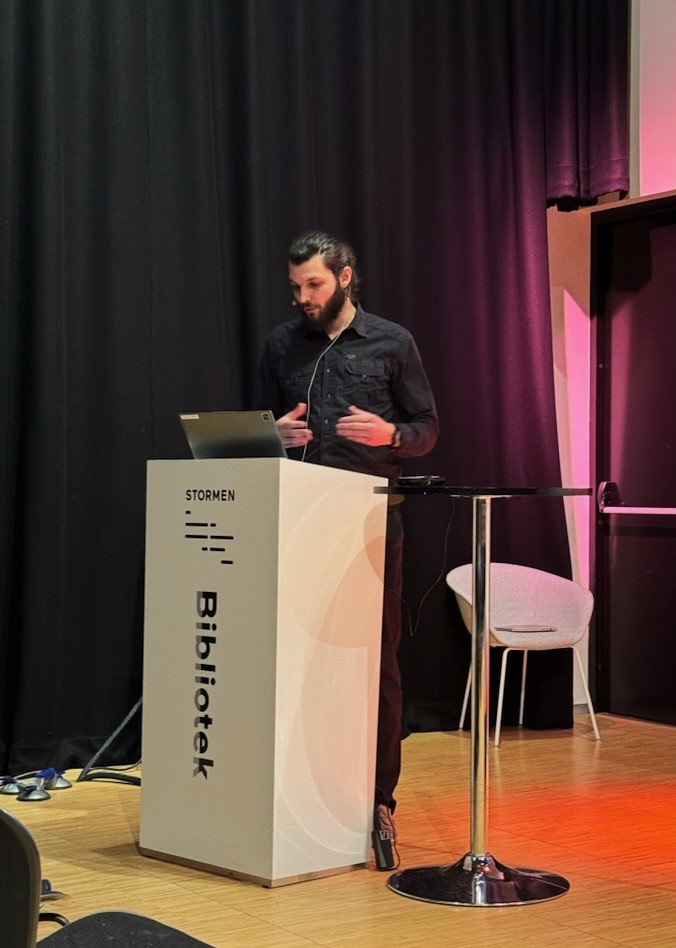
Stormen Bibliotek, Bodø, 2025
I want my work to unsettle, not through shock, but through recognition.
Handlová, 2015
Before the novels
Sound
Around 2013 I discovered dark ambient music and realised it was the medium I had been looking for. I taught myself production and composition, and my first project, Morvranh, went deeper with each album into ominous, hard-to-name soundscapes. At university I began a second, Asath Reon: narrative ritual soundwork for gong and kangling, set over drones and field recordings. It was my first real step into building worlds of atmosphere and dread.
Mysterium
Be Silent with Me
The Abstraction of Life
Black Dynasty
Morvranh
Buried Visions
Underworld Narrations