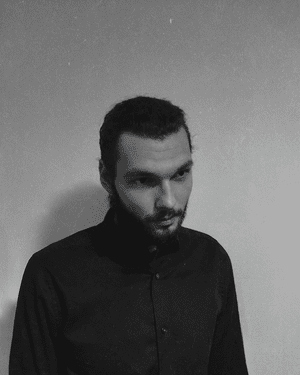
I went looking for the second book in the dark.
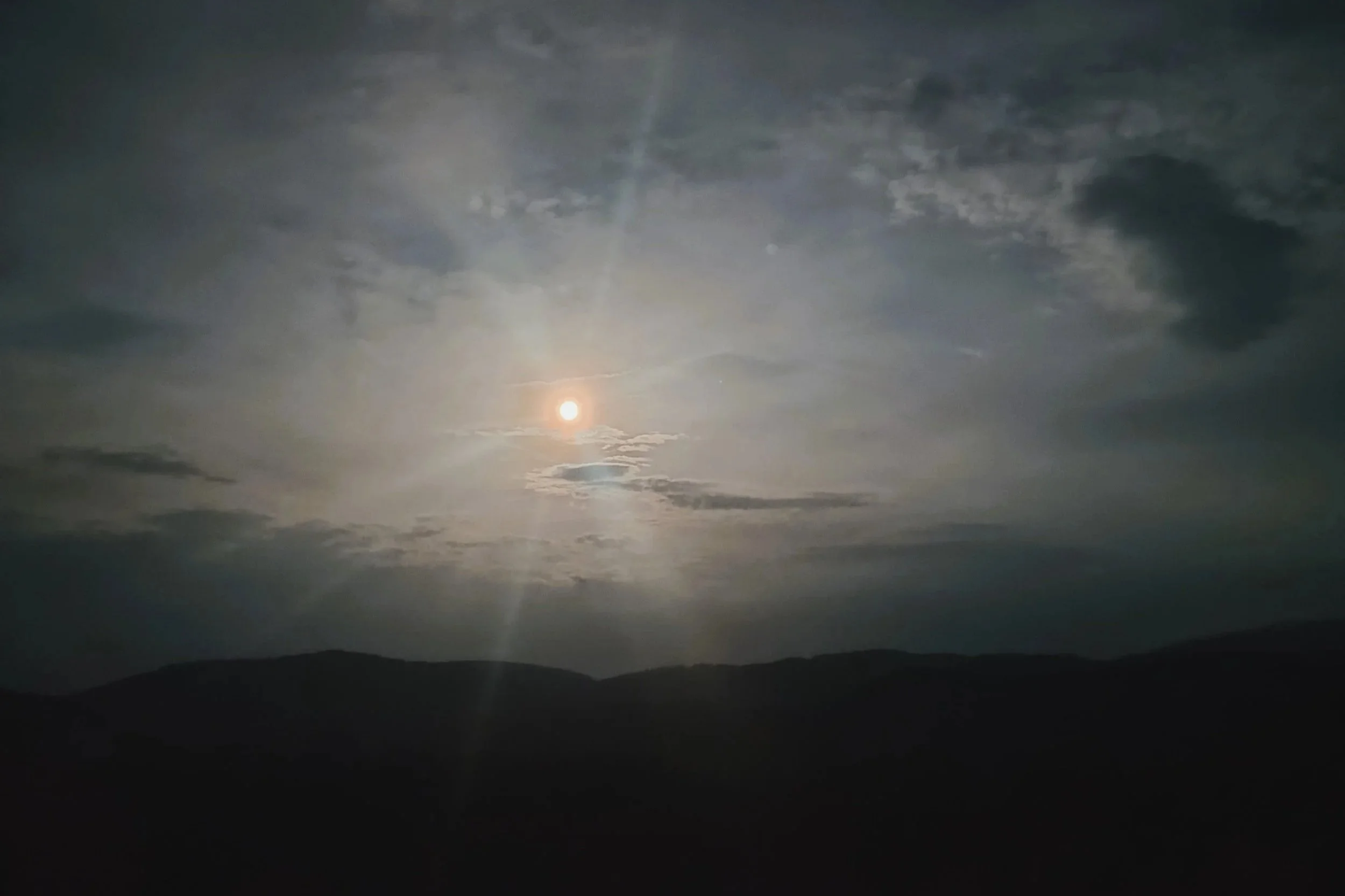
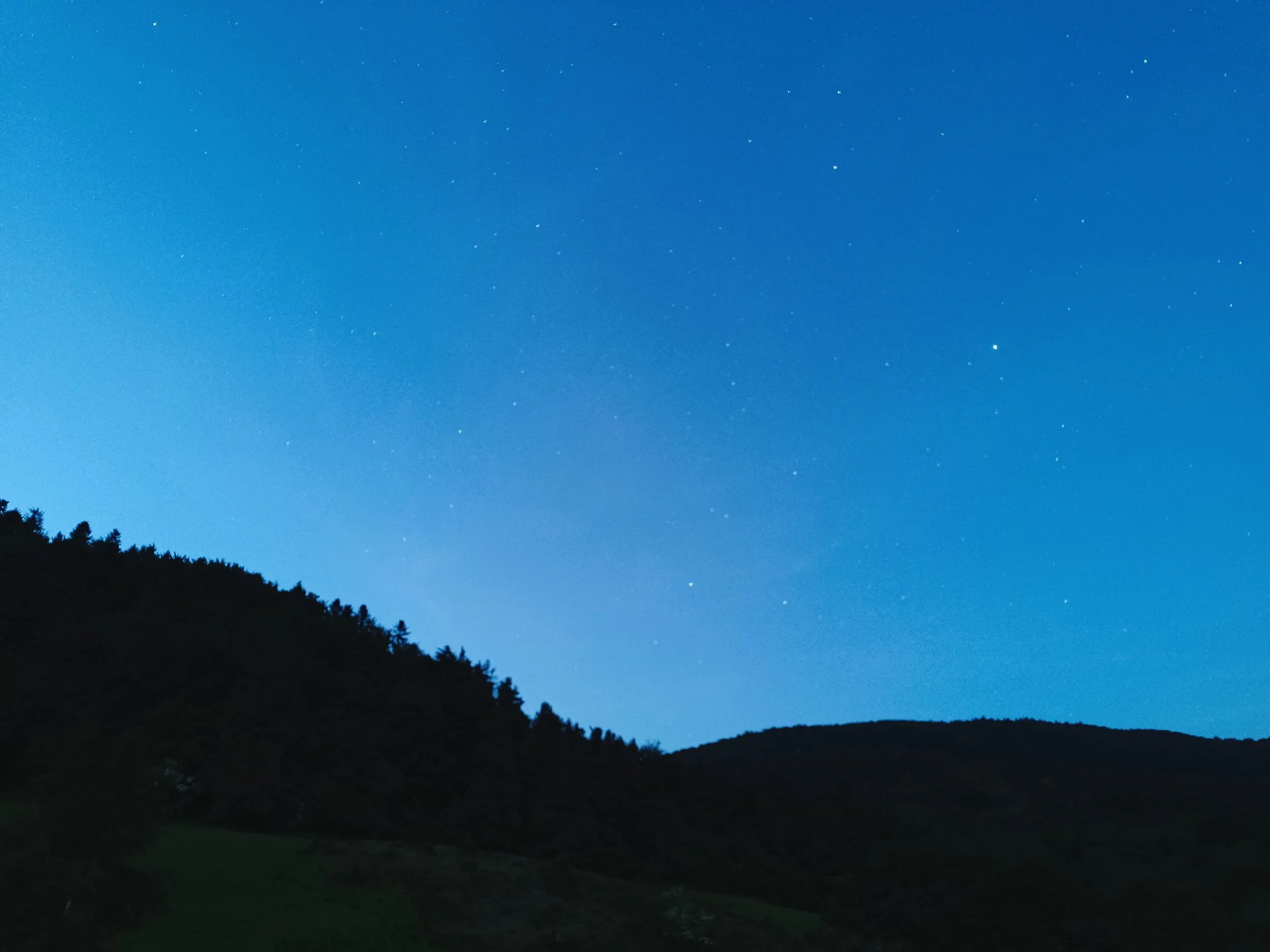
Night sky over the pines, Slovakia, 2026
An Update
For most of this summer I was not in Norway. I was in Slovakia, in the country I was born in, before islands or the sea or the very different northern summer. I went, first of all, to see my mother. That was the reason, and the book was not it.
The book came second, and it came in between. In the hours around the kitchen table, on the long drives, in the dark after, mostly in the dark after. It grew in the shadows of days I had given to more important things than writing, and I think it is better for having grown in that soil rather than at a desk.
This is the update I said would come, on the second novel in the Quiet Ends series and on the month that gave it the ground it had been missing.
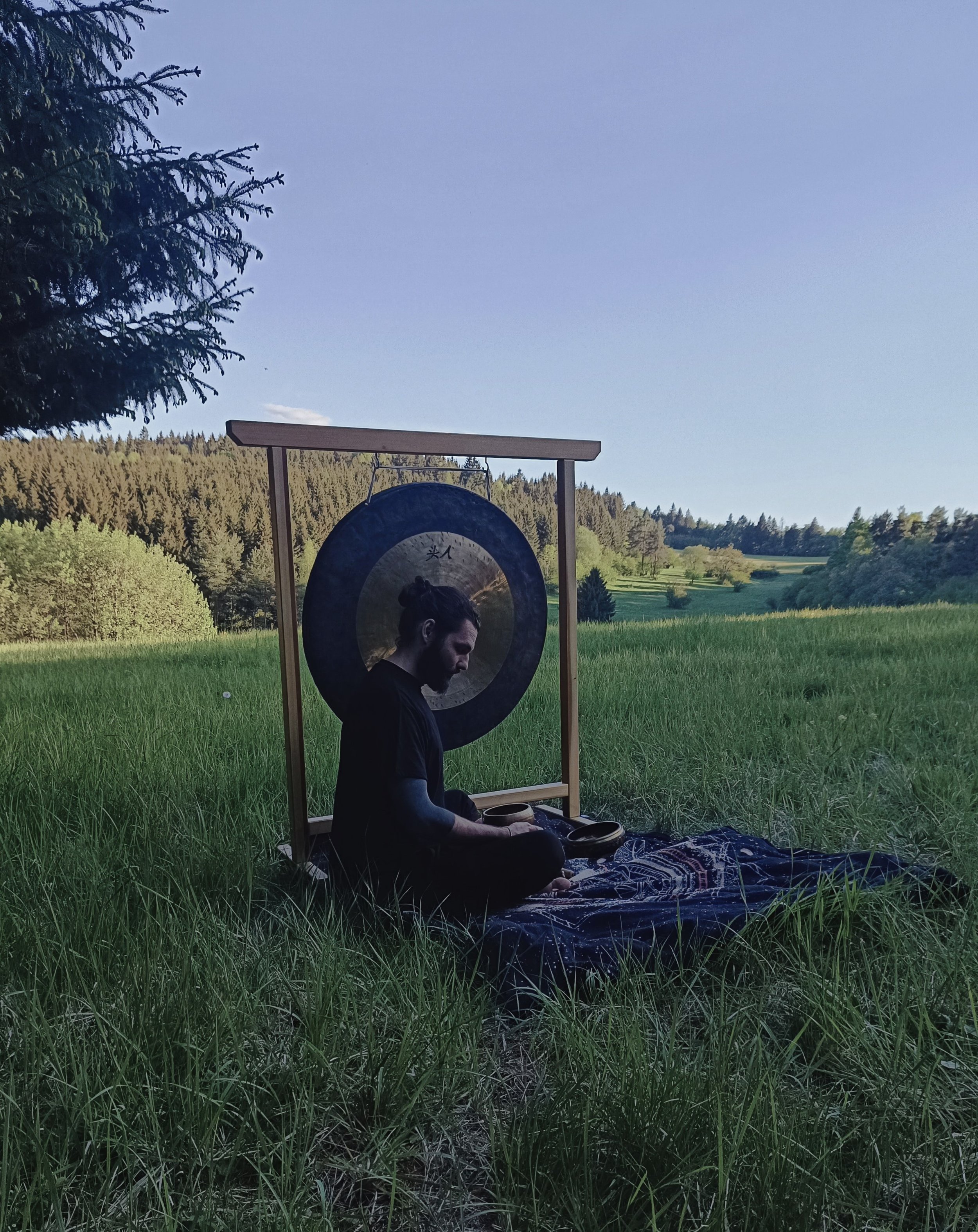
Gong in the forest, Sklené, Slovakia, 2026
Above the Town
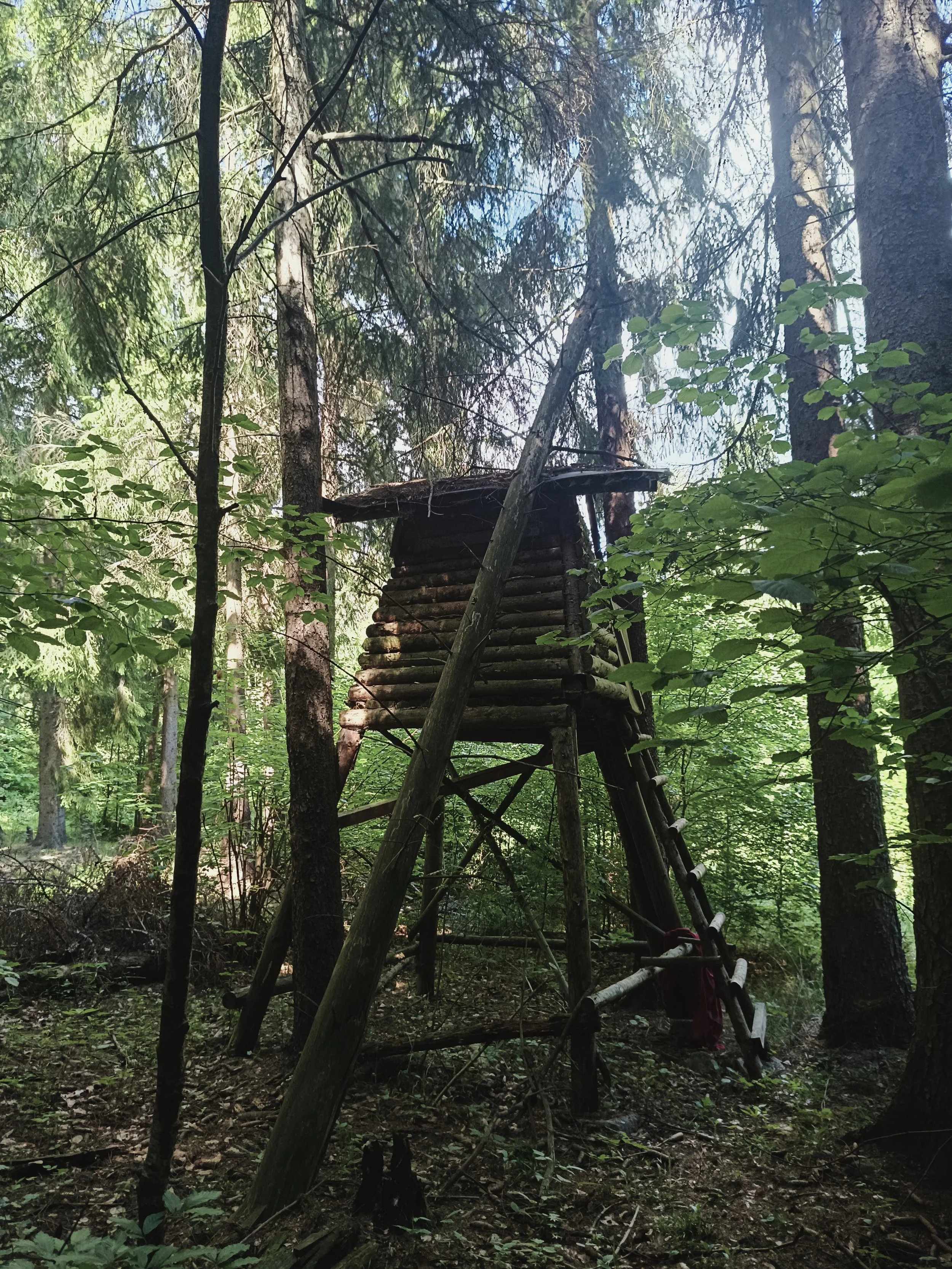
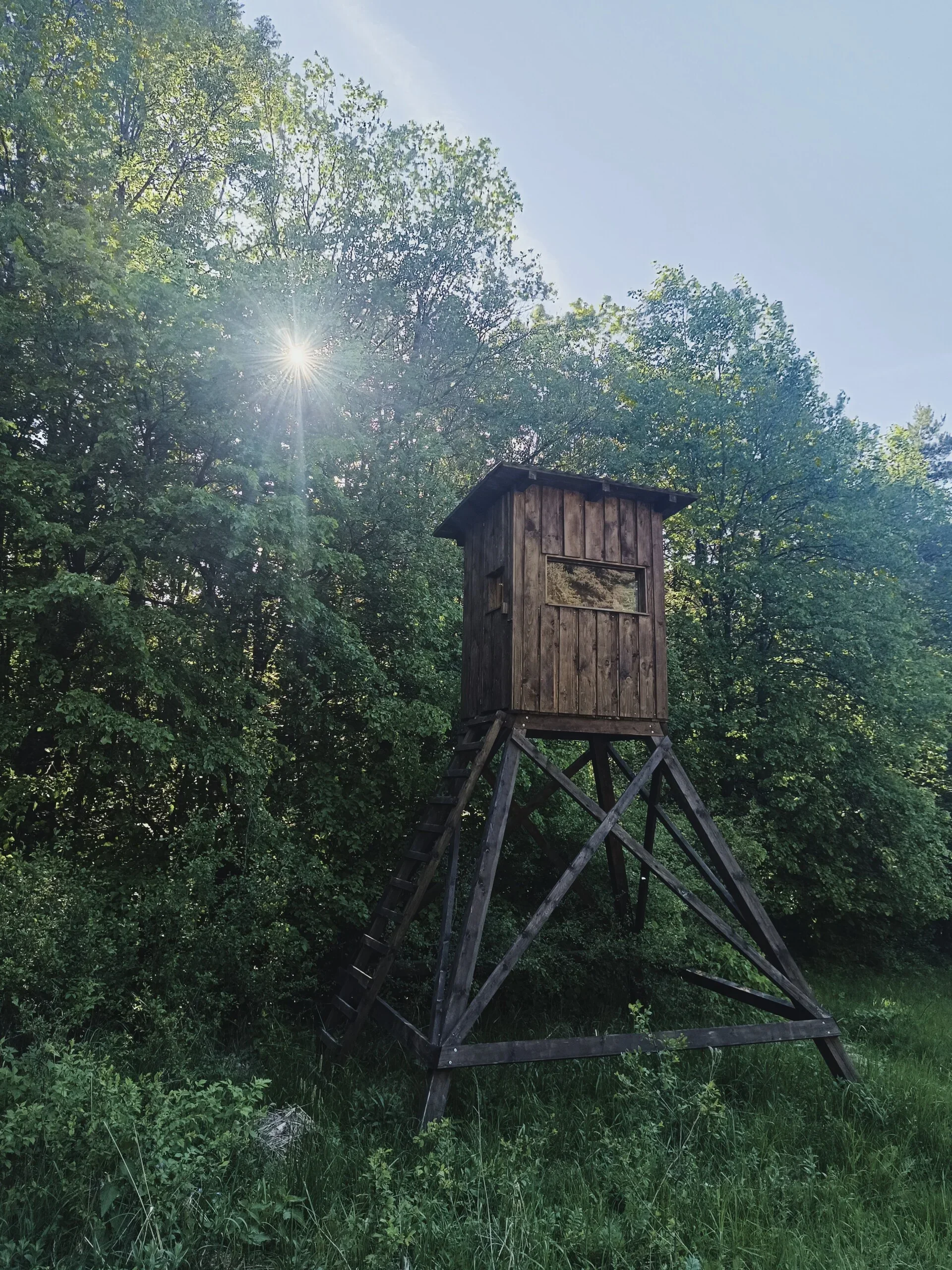
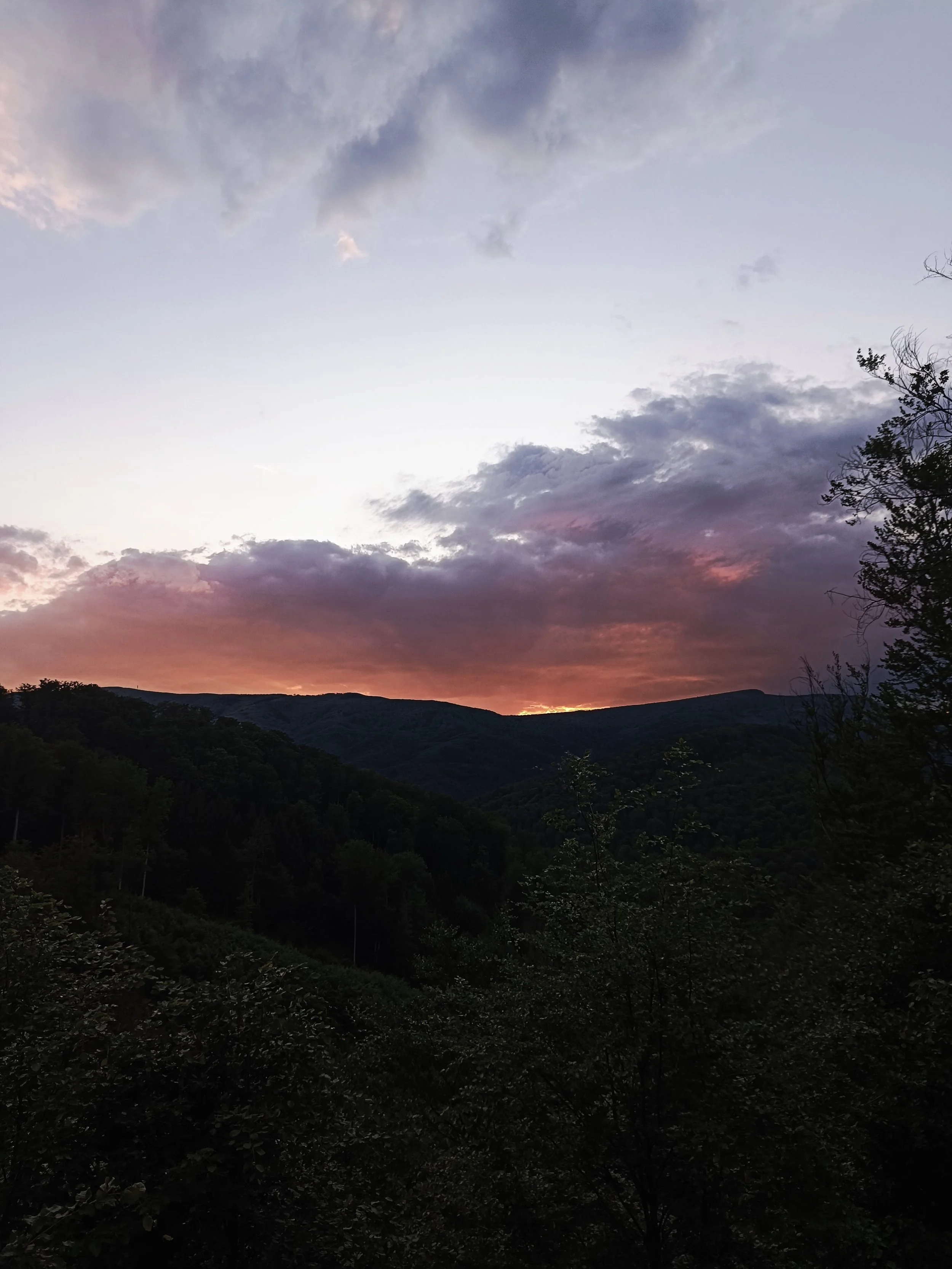
In Handlová the forest climbs the hill above the town, and high up, usually at the edge of the trees, stand the hunting outposts. They are built for the hunt, raised platforms with the valley opening out beneath them, and the view from up there can make you stay longer than you meant to. I have known these places my whole life.
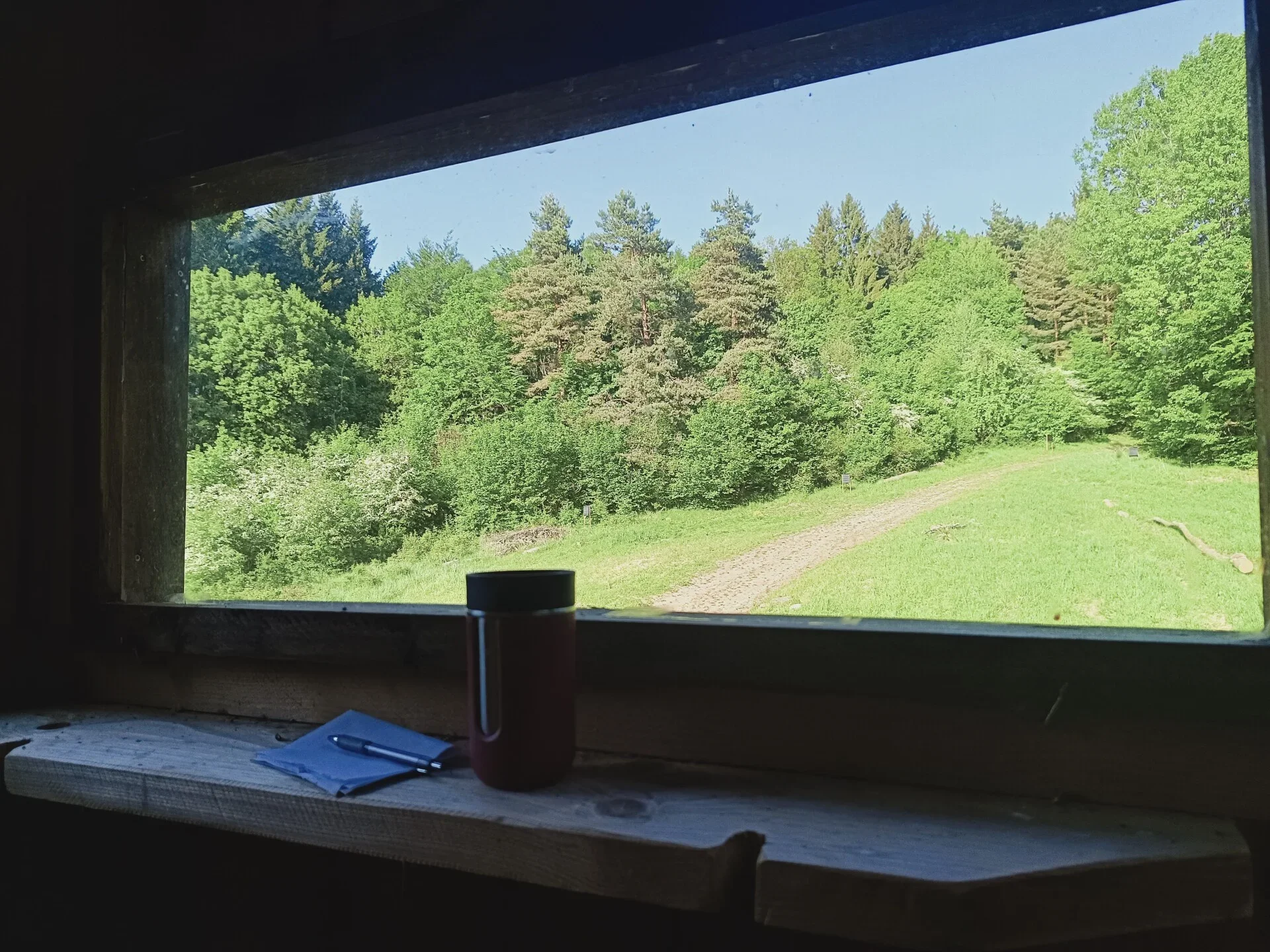
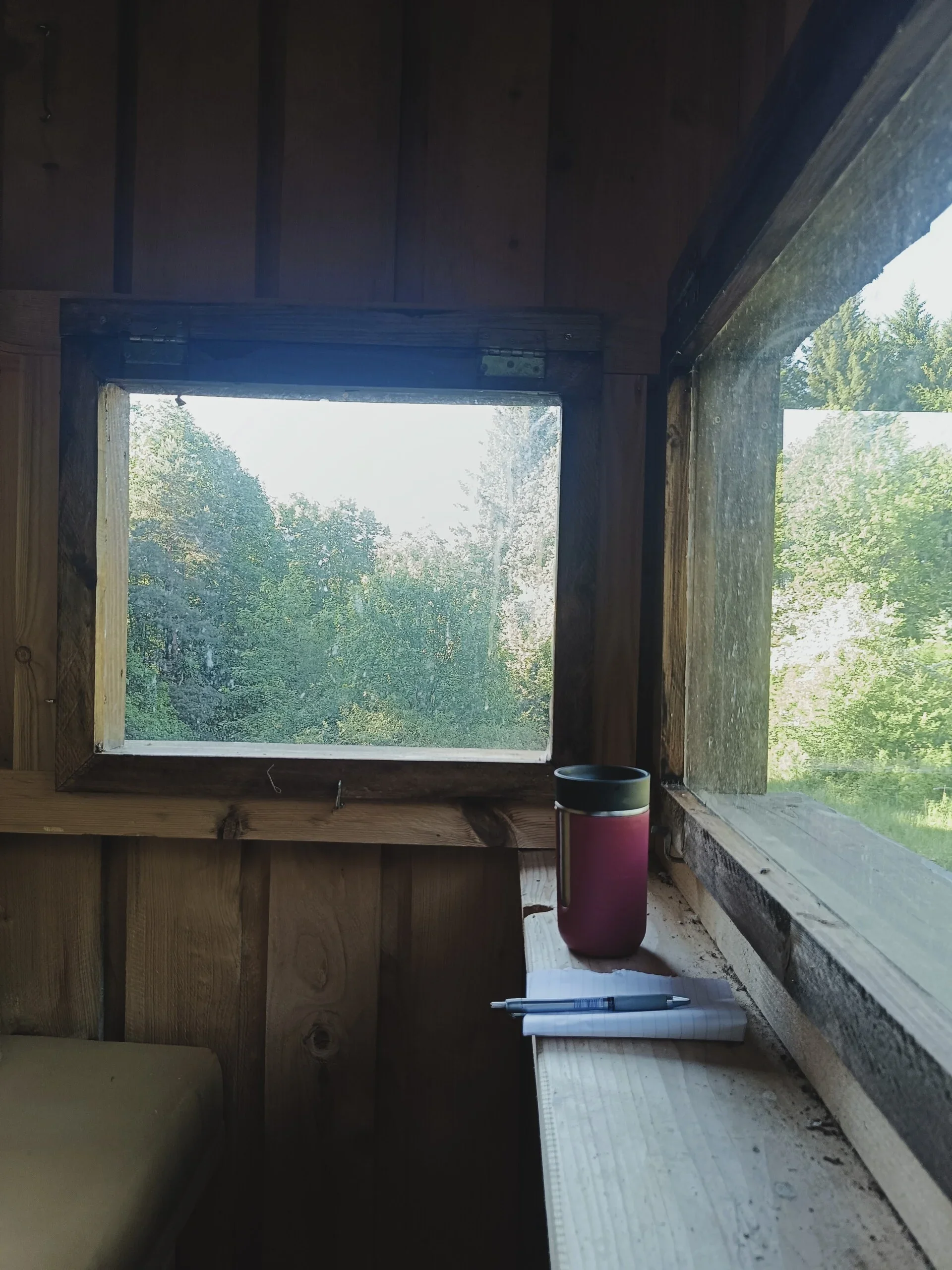
When I was younger I climbed to them to read. Whole afternoons, alone, the forest falling away below me and nothing asked of me by anyone. This summer I climbed to them to write. Not the prose. The notes underneath the prose, the deeper ideas, the kind of thinking I can only reach when I am somewhere the rest of the world will not easily follow. I would sit for hours. A great deal of the book grew up there, in the height and the quiet, and I came down most evenings carrying more than I went up with. The forest is feeding it. I do not have a better way to say that.
The Nights
The night has always been when I write. Krelløy was made almost entirely after dark, in the small house on the island, and the habit came with me to Slovakia. What changed was the dark itself.
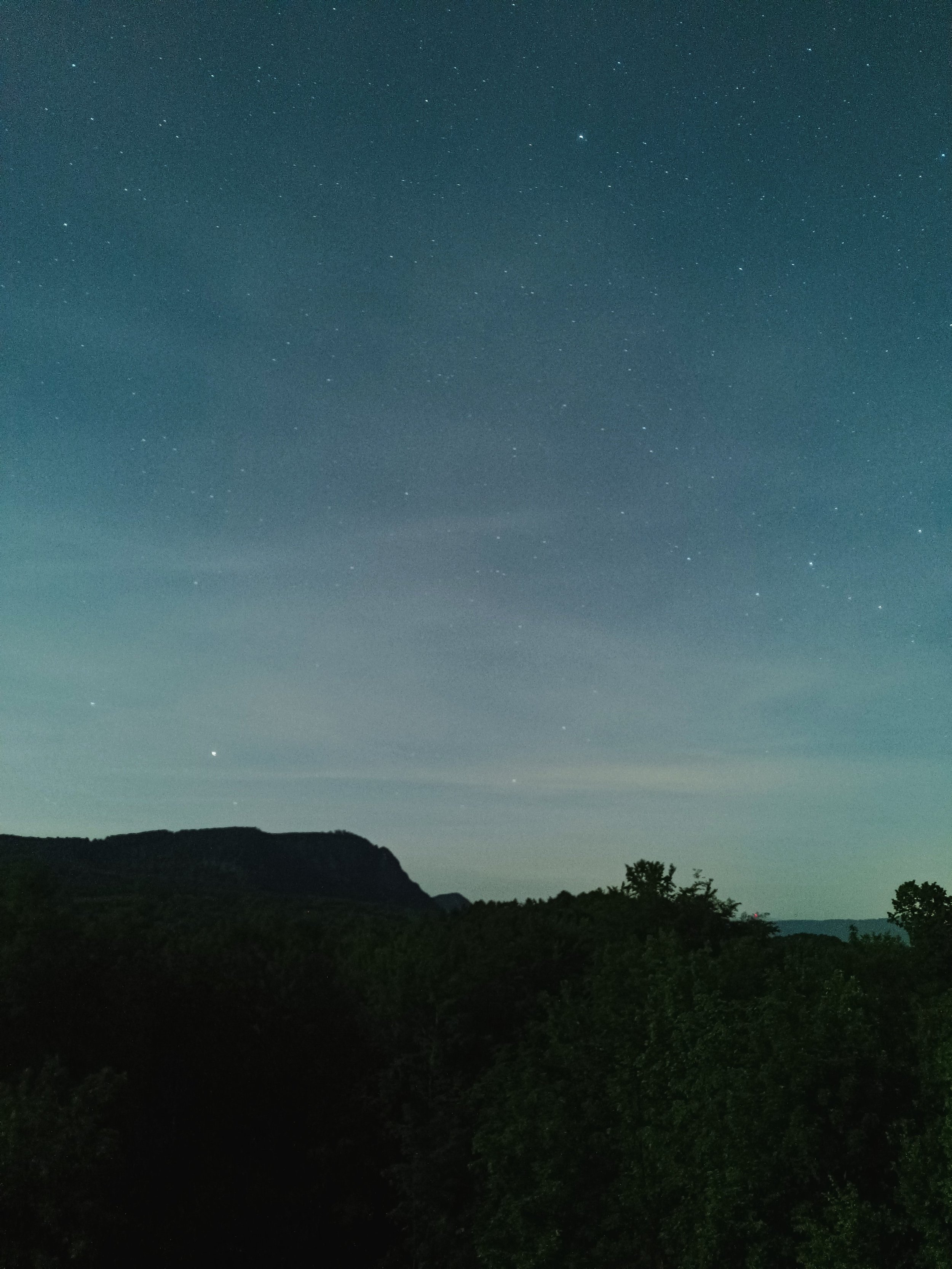
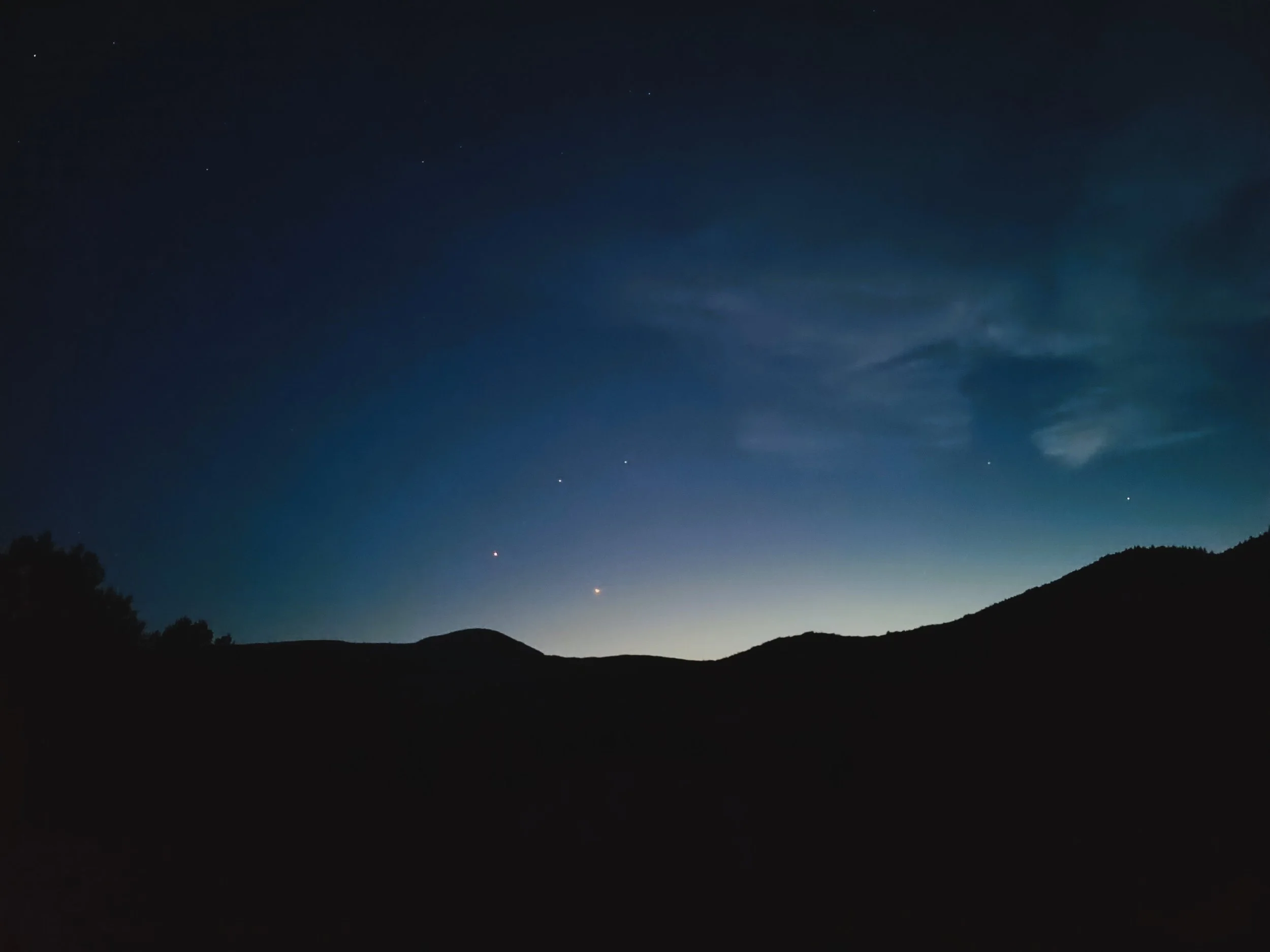
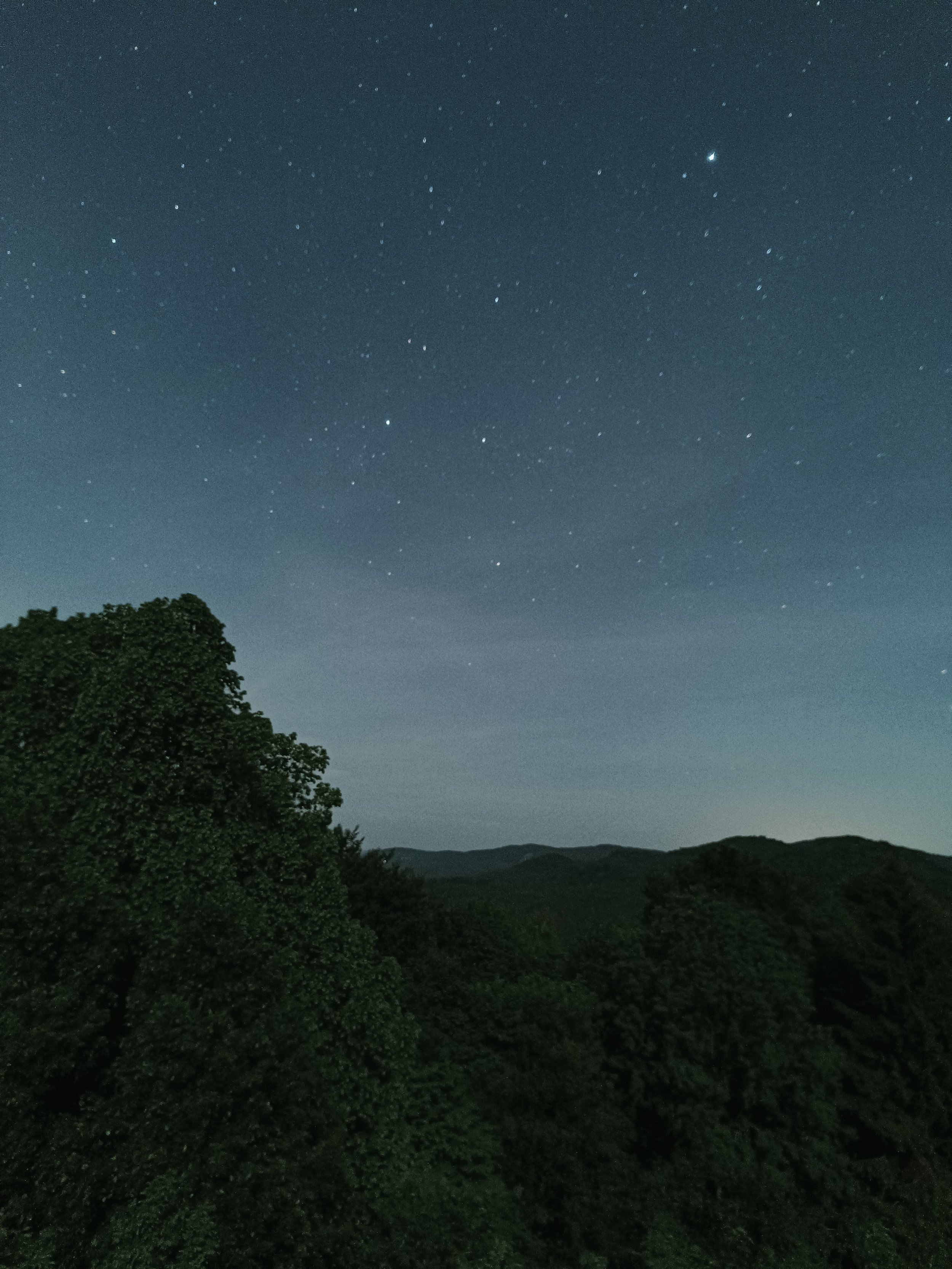
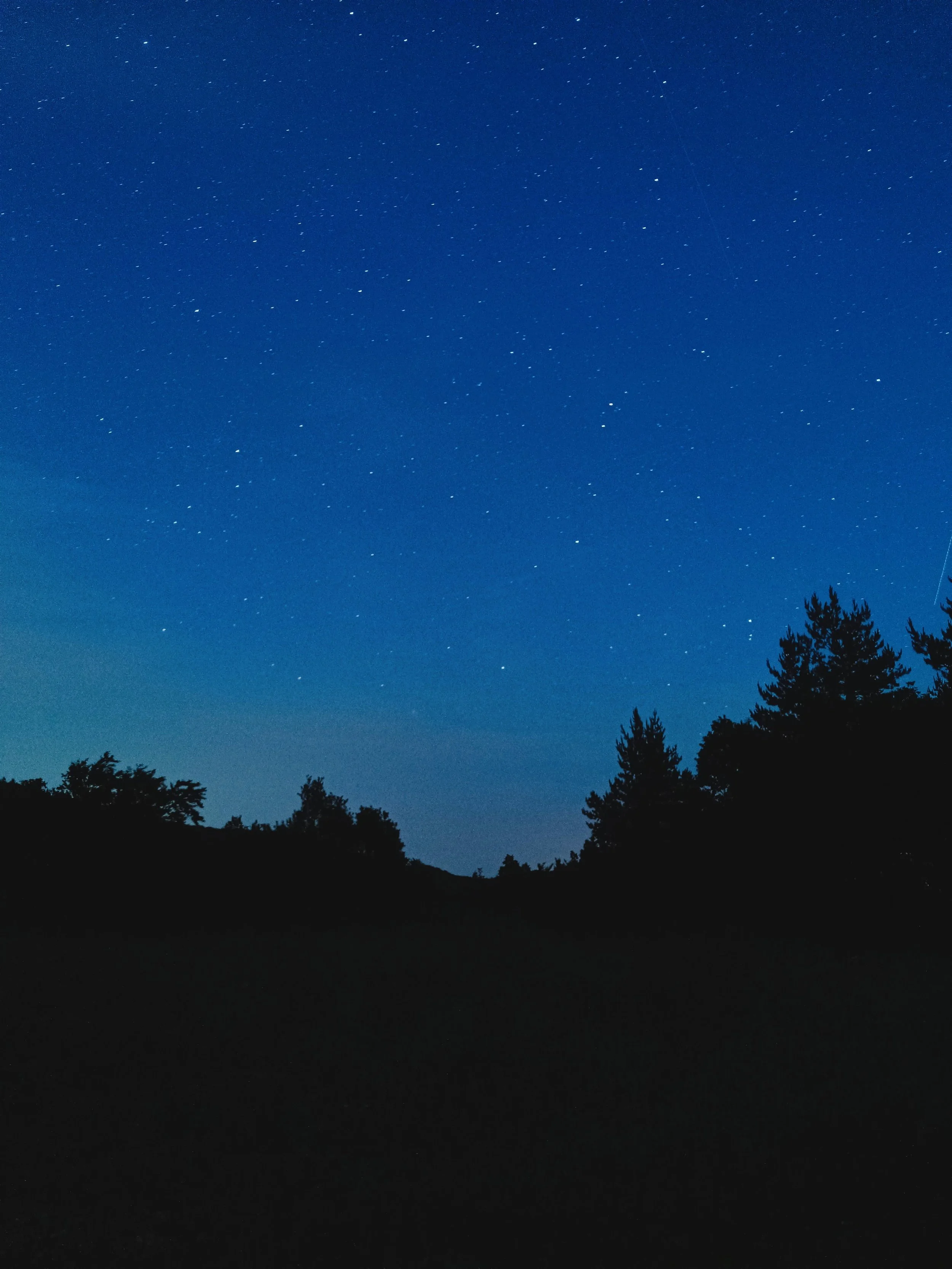
At home on the island the sun does not set in these weeks. The dark was one of the things I had gone south to find, and the dark above that forest is still dark in a way that has become rare. No town close enough to bruise the horizon. You look up and the stars are not a backdrop behind the trees. They are a depth, and you can feel how far down it goes.
≭
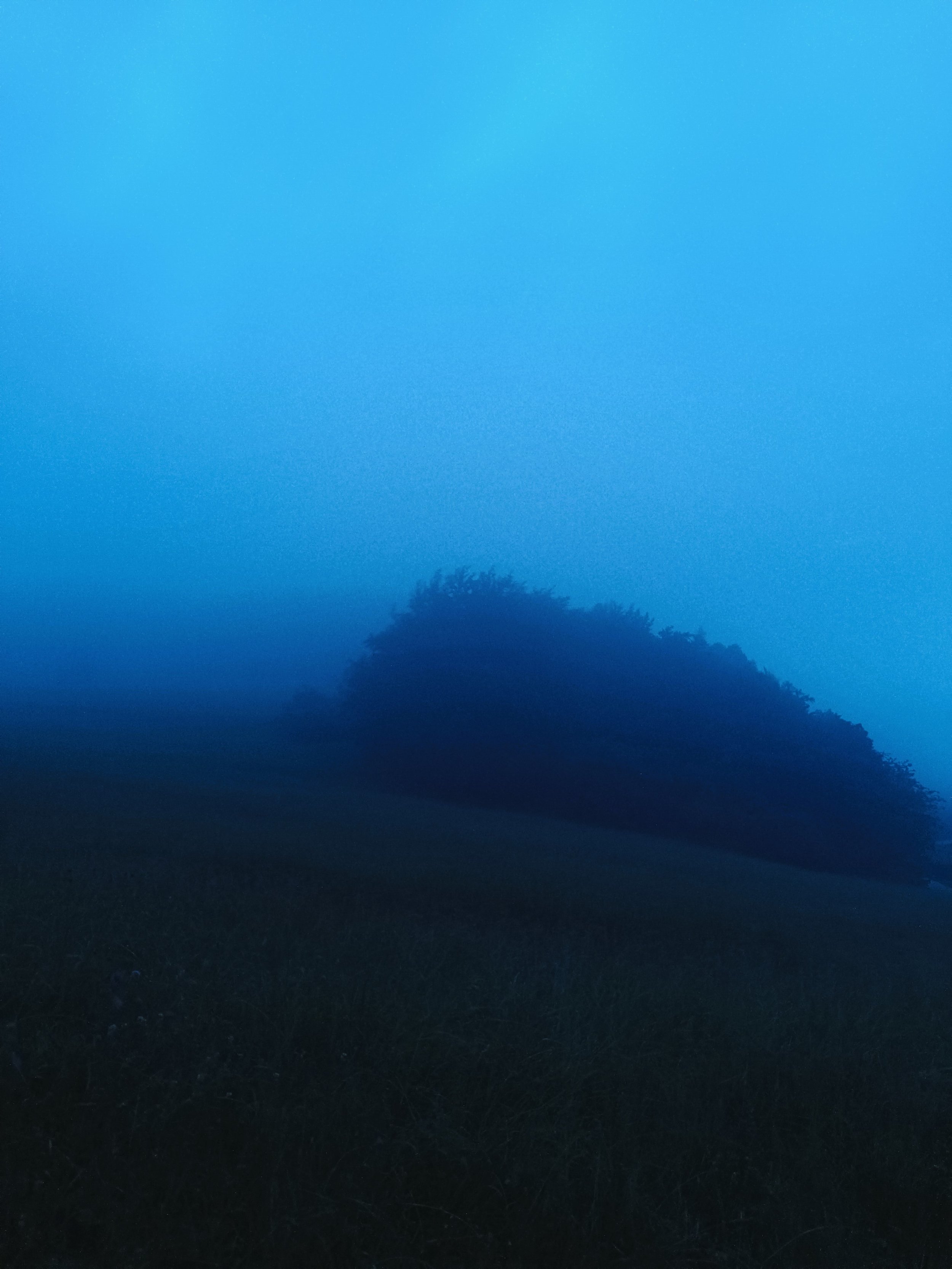
I made a great many photographs in those hours, most of them long exposures, with the shutter held open while the sky turned slowly overhead and the chill rose off the grass. I am not sure I have ever felt more like myself than I did out there, alone with the camera and nothing to do but wait for the light to arrive on its own terms. Some people come to themselves in company. I seem to come to myself in its absence.
The images went on working after I came home. In editing them I found a direction I want to follow further. I have always had to make things, and I have come to think there is real work in these photographs, not only a record of where I stood. I want to build something out of them. If that kind of art is of any interest to you, I would be glad to hear what you make of it once I begin to show it.
The Places
Between those days, I went to the places the book is built on.
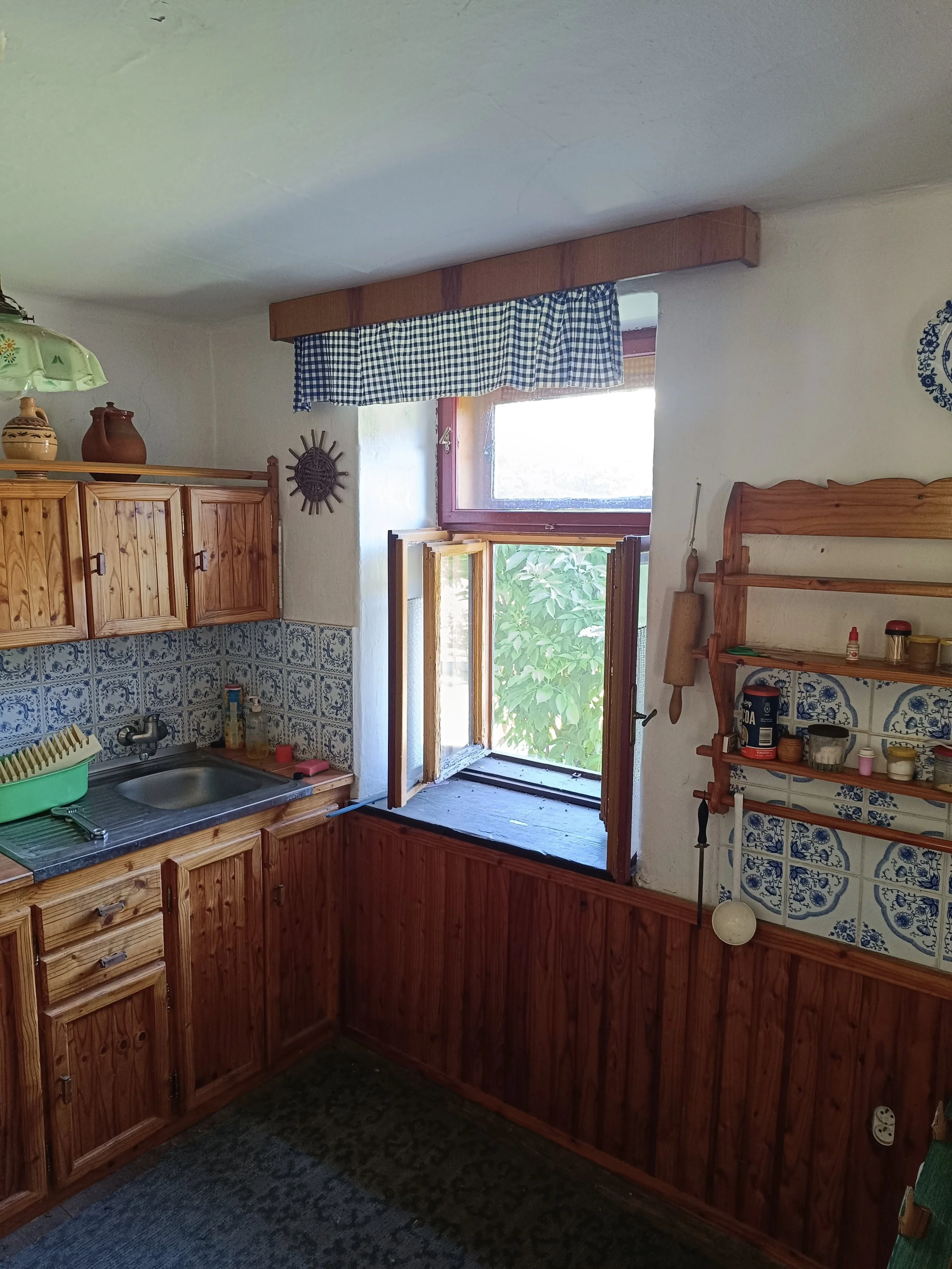
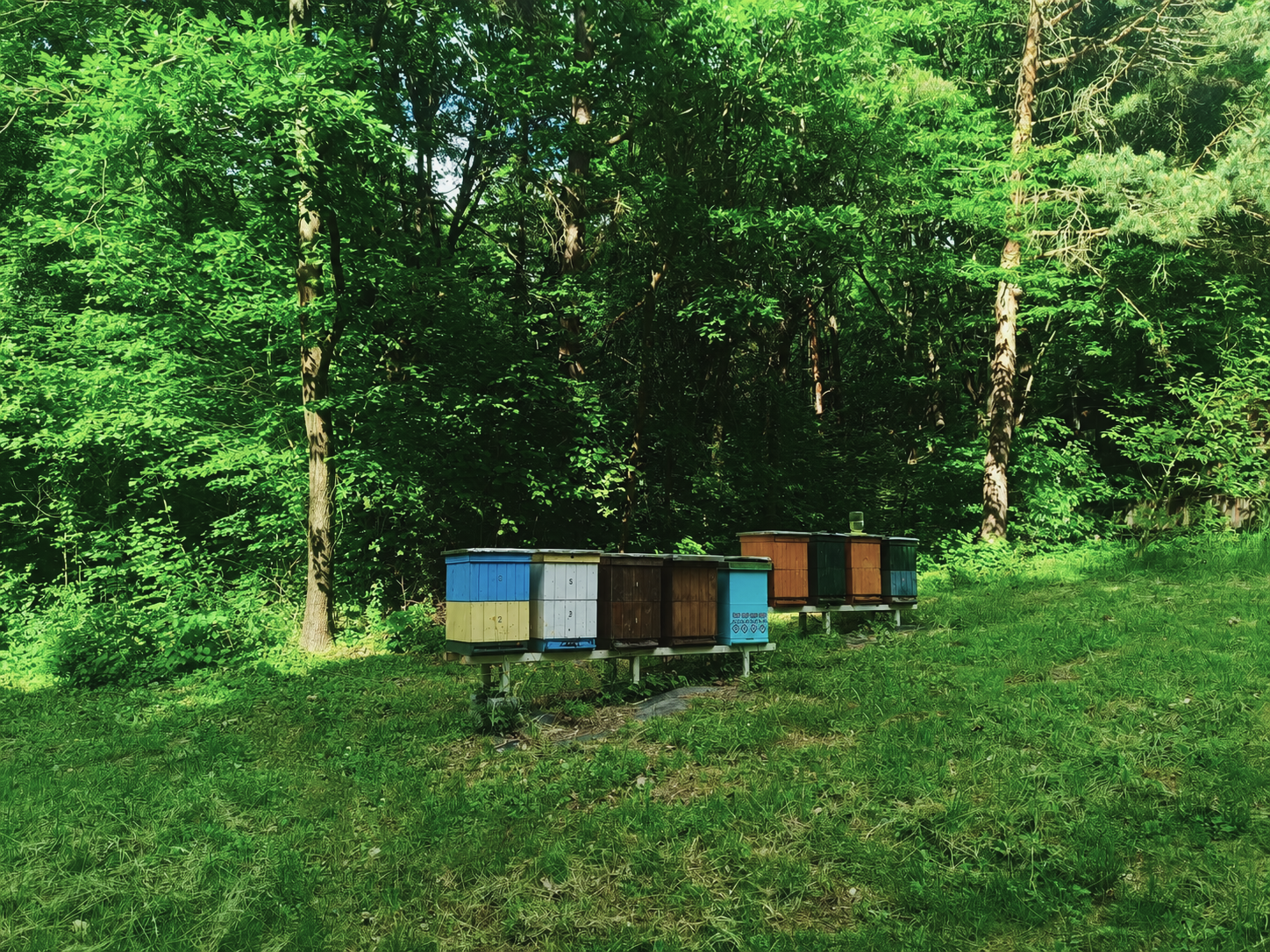
I will not say much about them, because to describe them too fully would spend what I would rather keep for the page. But I walked the kind of clearing the story sits inside, the small plain in the woods that older people in the region call a samota, a word that holds both a place and a solitude and never troubles to separate them. I stood at apiaries and watched the boxes the way a man watches them when his living depends on what moves inside. I learned things I could only have learned by being there. What the work is. What it costs. What a person does with their hands in the hours nobody is awake to see.
The village in the book is no single real village. It is built from several: rooftops glimpsed through a gap where the slope falls away, a church spire standing above the trees, woodsmoke rising out of ground that has half swallowed the houses beneath it. I have all of that now. It is in the photographs and it is in me, and it will be in the book.
What I Found There
I went with an idea I thought I had already settled, and came back with a different one.
I am learning not to fight this when it happens. The book I had in my notes was good. The book the forest handed back is the one I actually want to write. I cannot tell you yet where exactly the change took hold, because some of it is still moving, but I can tell you its shape. The story went quieter and stranger at once.
That was the surprise. I had expected the research to narrow what was possible, to trade the uncanny for the merely correct. The opposite happened. The more I knew the trees and the work and the village, the more room there was for something to go wrong inside all that knowing.
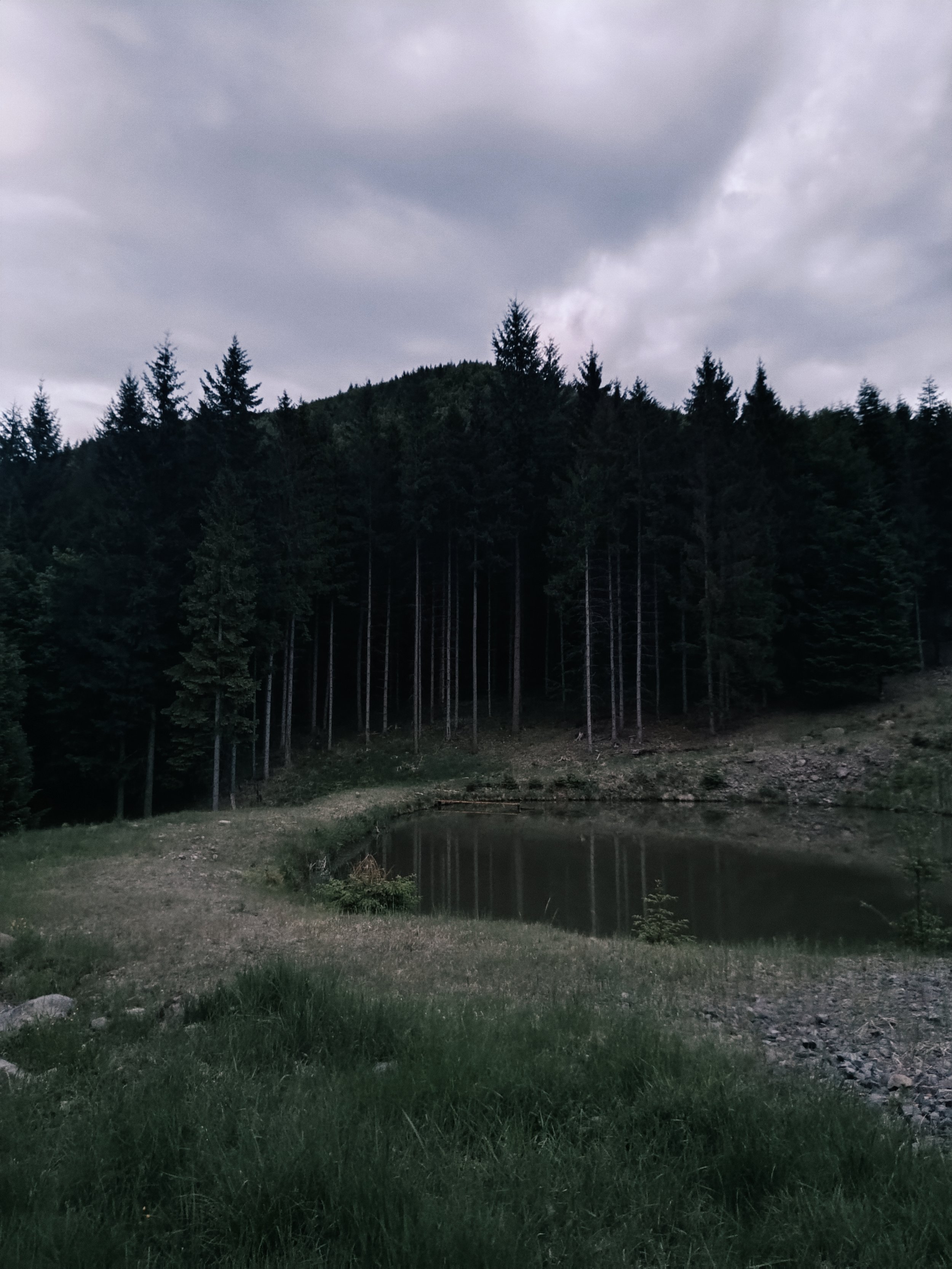
A small lake in the woods, Nová Lehota, Slovakia, 2026
What It Is
So, the book itself.
The second novel in the Quiet Ends series is set in Slovakia. Not in a city, and not anywhere a map would send you on purpose. A single house in a clearing ringed on three sides by forest, the nearest neighbour a twenty-minute walk through the trees, and only then if you know the path. The isolation that ran under Krelløy returns here, but it is a different isolation. An island closes around you with water. A forest closes around you with depth, with the plain fact that the trees outlast your nerve.
It is cosmic horror, of a kind you may not be expecting. No monster with a name. No tentacle at the window. The dread comes the way it comes in life. I am setting beside one another things that do not usually meet on the same page: an apiary and its slow seasons, a parent growing smaller, and a Slovak village with a long memory of its own. Above them is a sky that has begun, without hurry, to look back. I do not think that combination exists anywhere else, and that is most of the reason it seems worth writing.
The writing itself has changed as well, and the forest had a hand in that.
With Krelløy I kept the reader close. I explained. I would find an image and return to it and lean on it until I was certain it had landed. Some of that came from years of writing lyrics, where repetition is the whole machinery of the thing. Some of it was the nerves of a first novel, the fear that anything left unsaid would go unfelt. I have read the criticism of that book closely, the fair and the unfair both, and I agree with more of it than I once thought I would.
This time I am giving the reader more credit. I am saying less. I am leaving the gaps where they fall and keeping my hands off them, because the gap is where the reader does their own work, and a book a reader has worked inside does not easily let them go.
≭
There is one more thing I want from the book, and I cannot say it without risking more weight than I mean. I want it to give the reader back some of the forest. Not a lesson. An attention, perhaps: a way of standing inside a vast and indifferent place and feeling, instead of fear, a kind of clearing in the mind. We spend our lives being seen by one another. The dark woods offer what being seen never will, and I felt it on those nights with the shutter open. If a little of it survives the crossing onto the page, the book will have done the work I care about most.
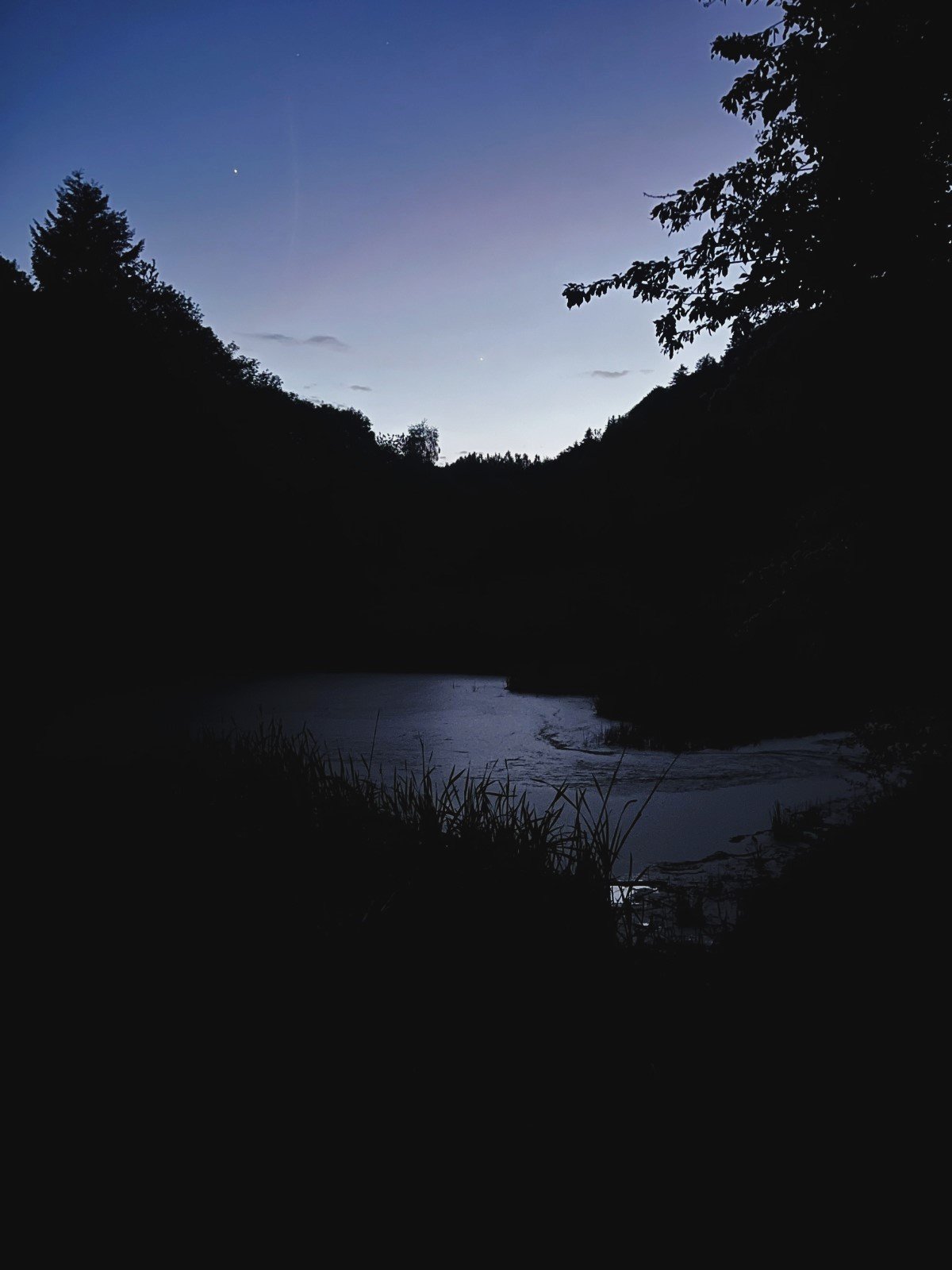
Forest lake at night, Handlová, Slovakia, 2026
Going Forward
I am back on the island now. The sea has taken the place of the trees outside the window, and the work goes on at the same desk it always has.
The book is not finished. I will not rush it, and I will not pretend it is closer to done than it is. But it has a place now, a real one, made of long light and short dark nights and a clearing in the woods I have finally stood inside as a grown man and not only carried from boyhood. The title will come soon, and the cover after it. There will be more to tell, and I will tell it here, in its own order.
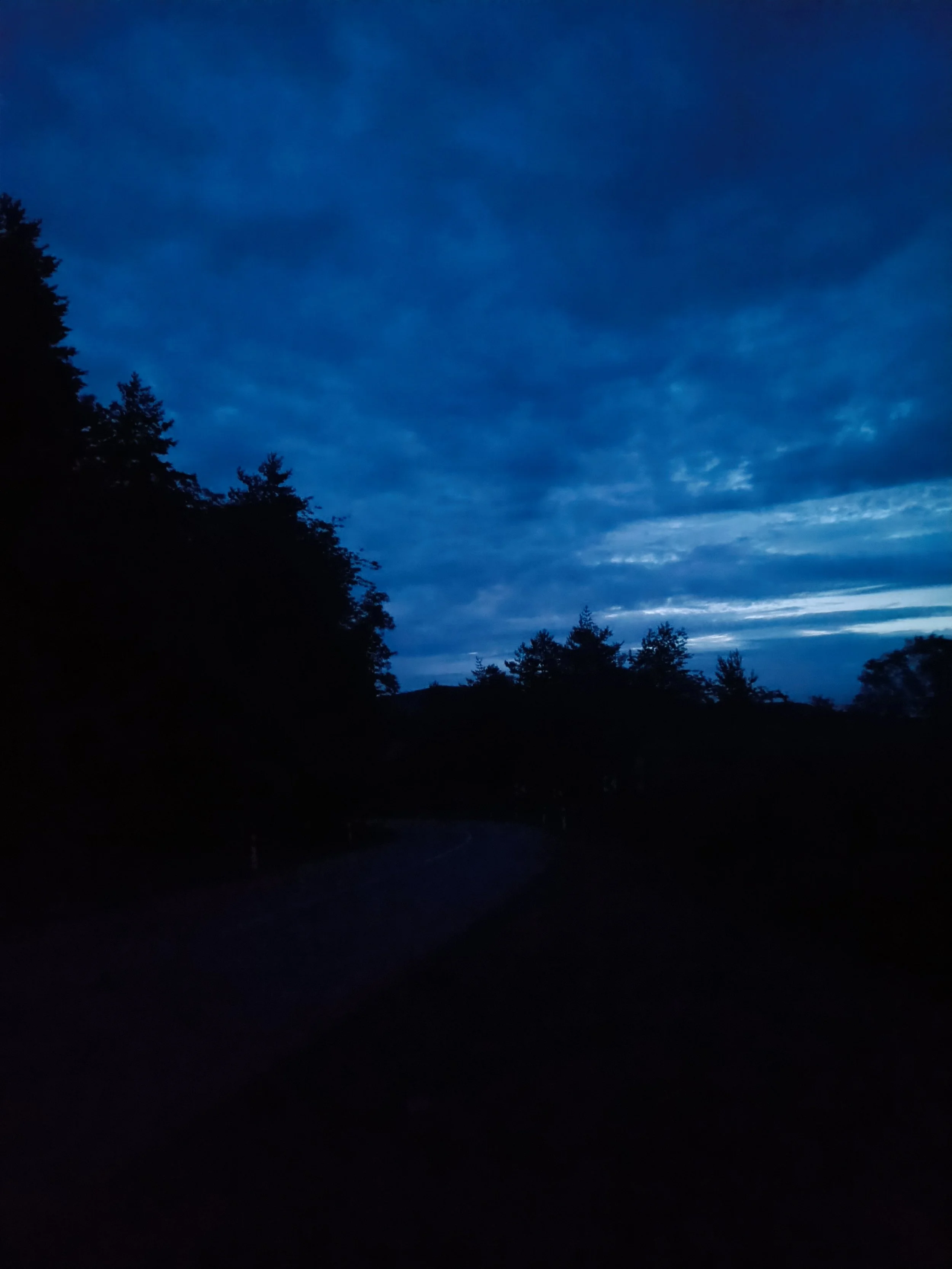
Night road through the forest, Slovakia, 2026
I am grateful for all this in a way I have not yet found the sentence for. Thank you, as always, for keeping me company on this.