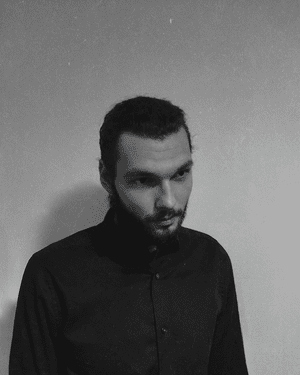
I came to the island without my instruments. What I had put into music went into a book instead.
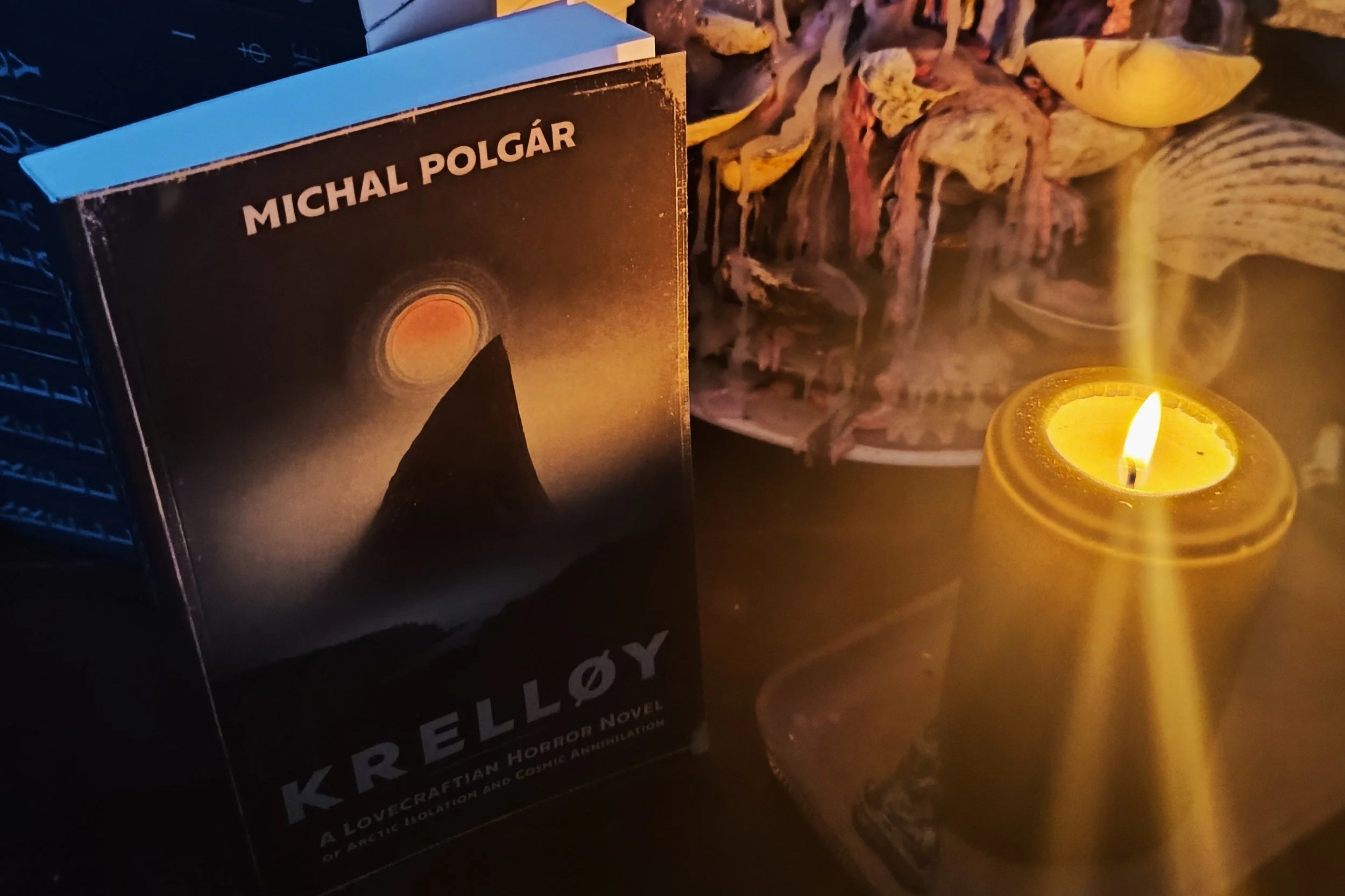
Krelløy, Sør-Arnøy, Norway, 2025
The Island
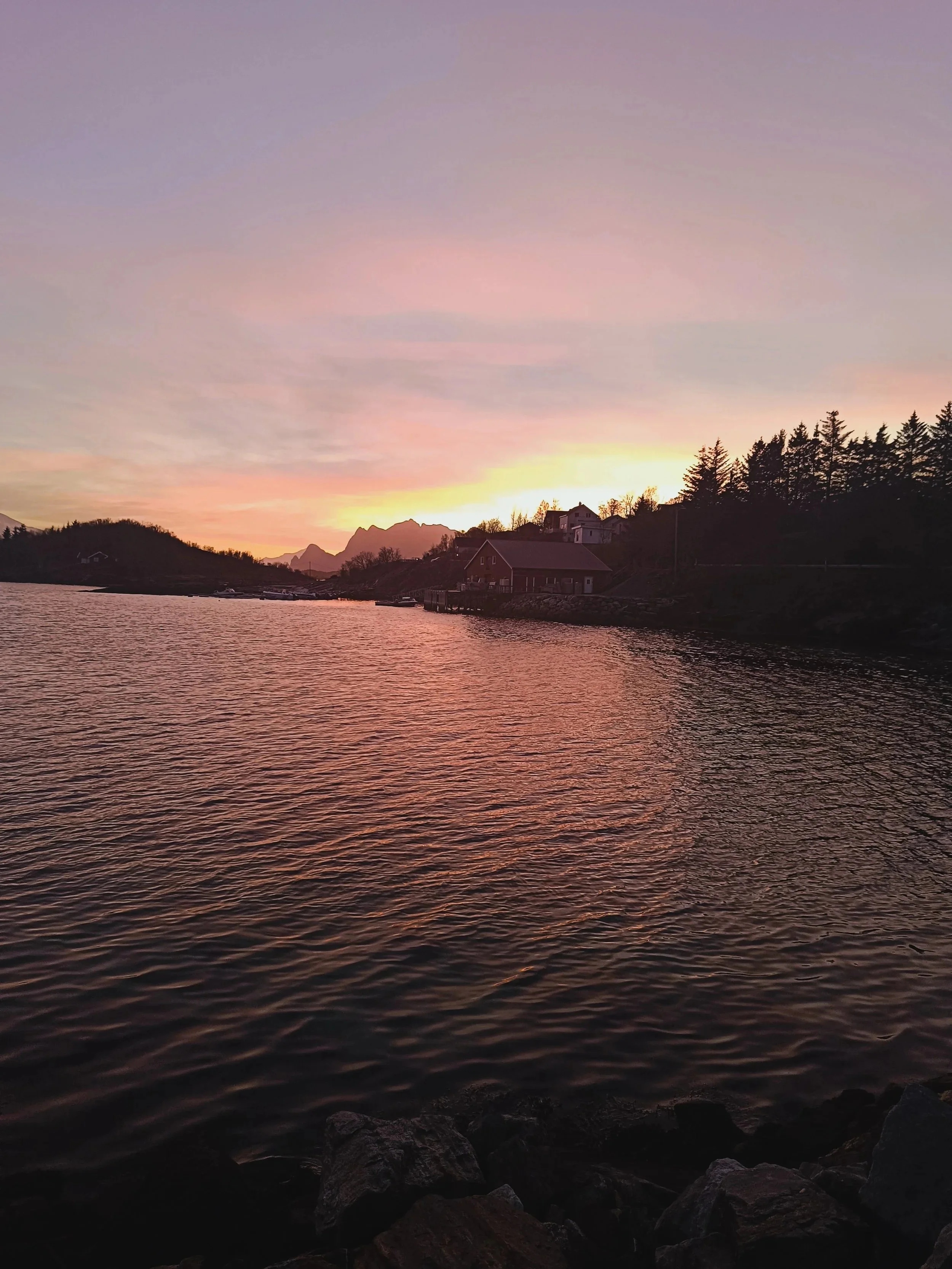
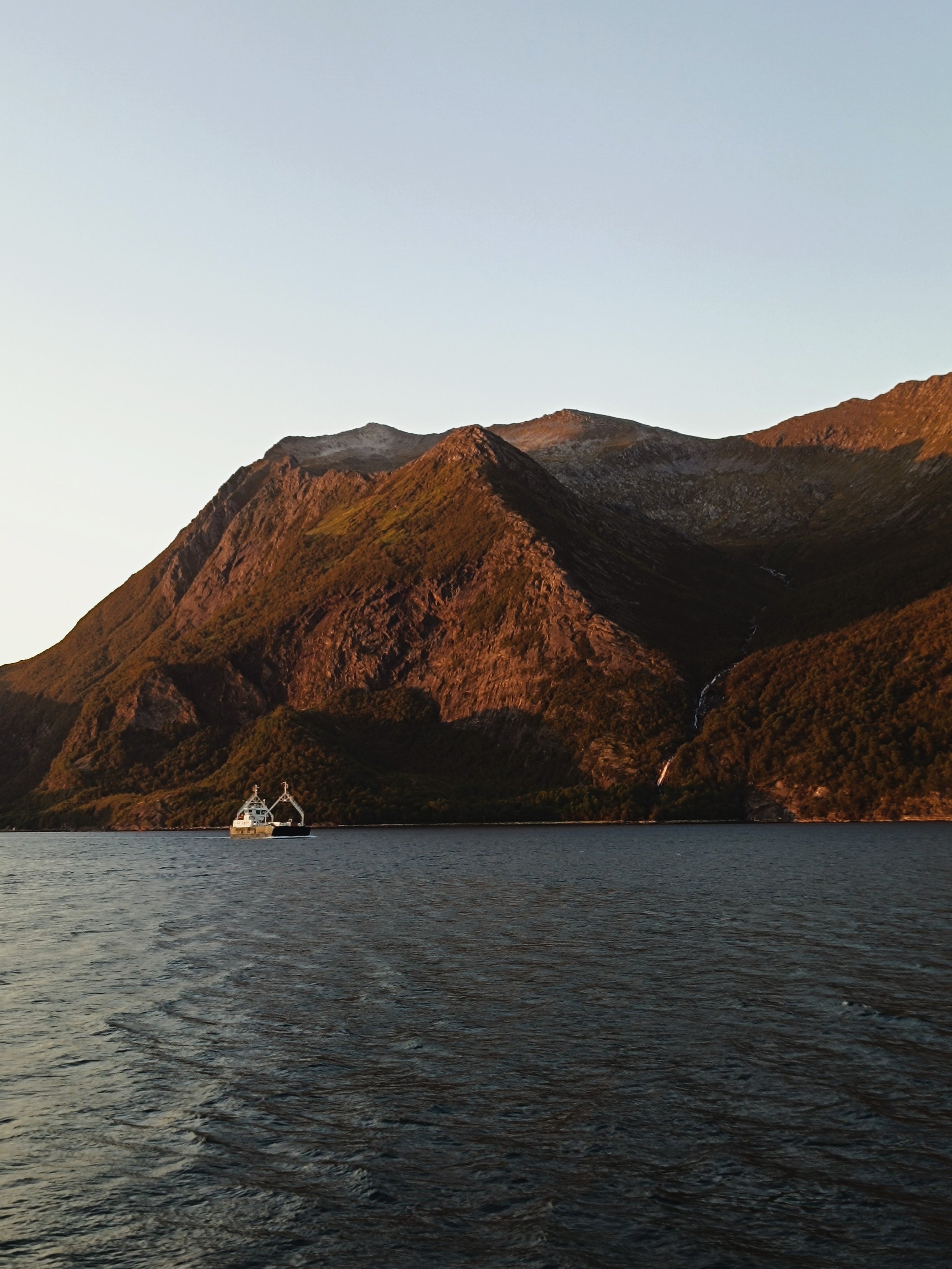
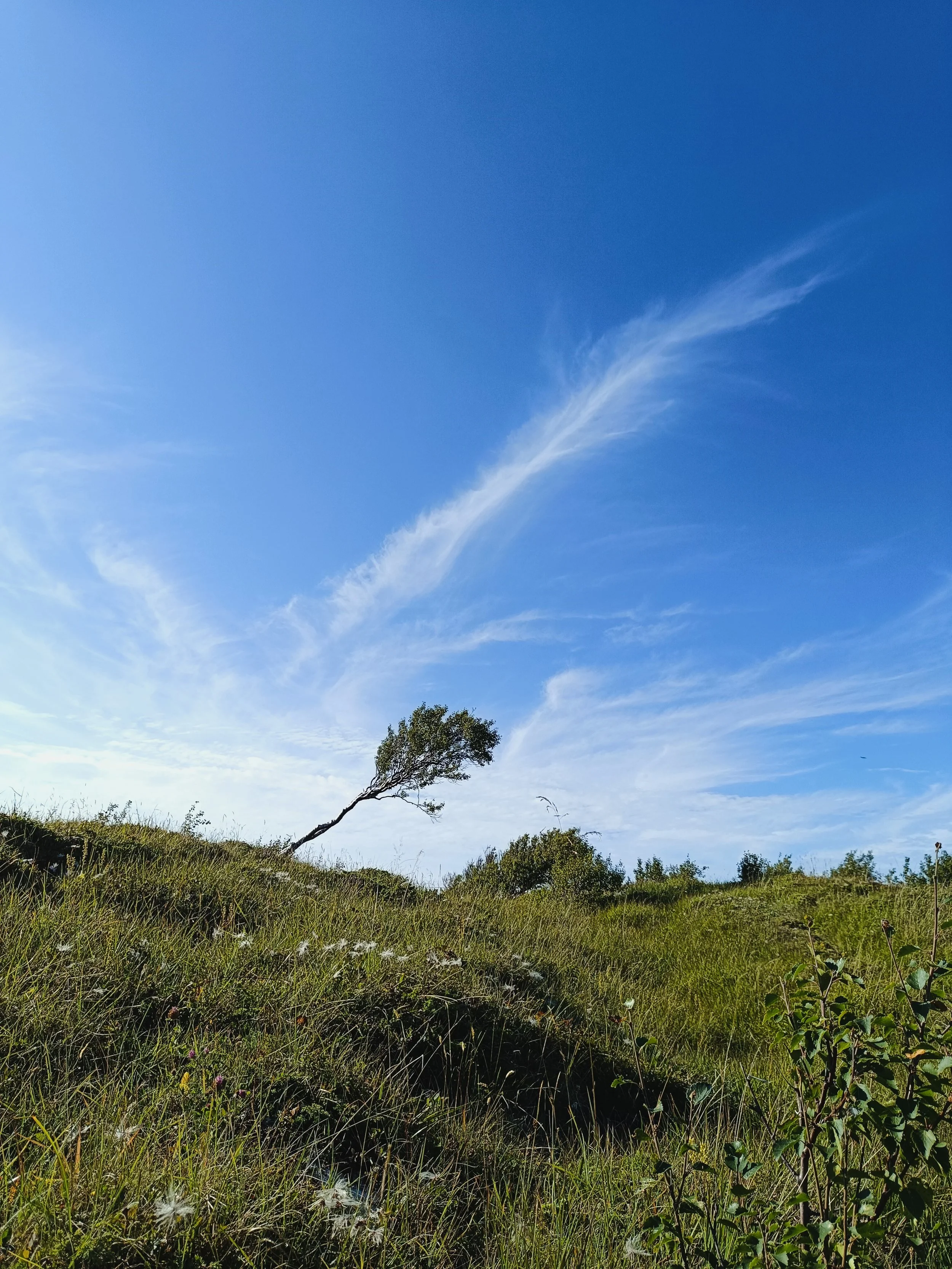
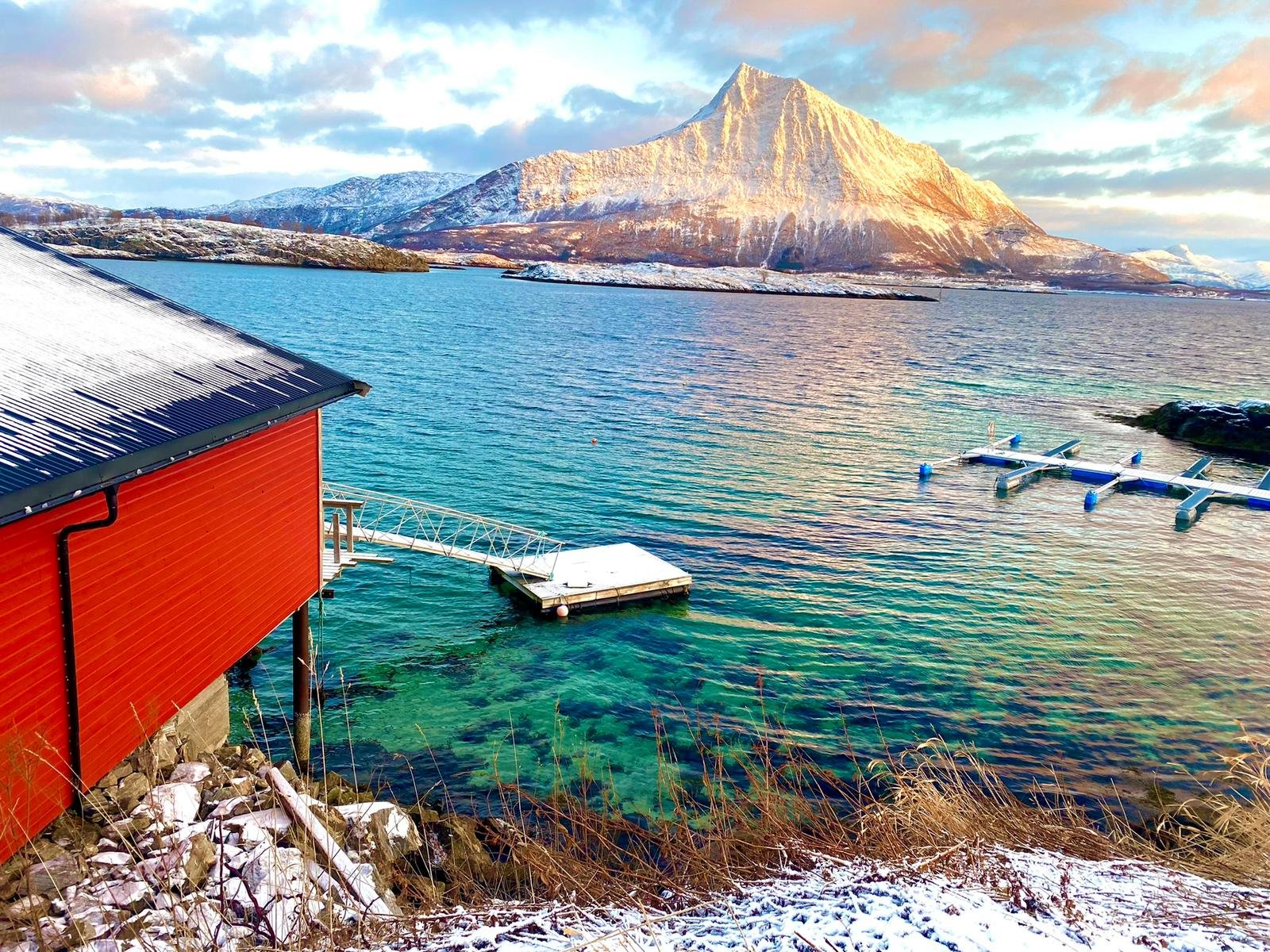
When I first came to Sør-Arnøy, I did not expect an island to change the way I worked. Sør-Arnøy lies off the coast of Nordland, in Gildeskål, a little north of the Arctic Circle. The tides set the rhythm of the day here, the light moves slowly for much of the year, and the mountain stands over all of it.
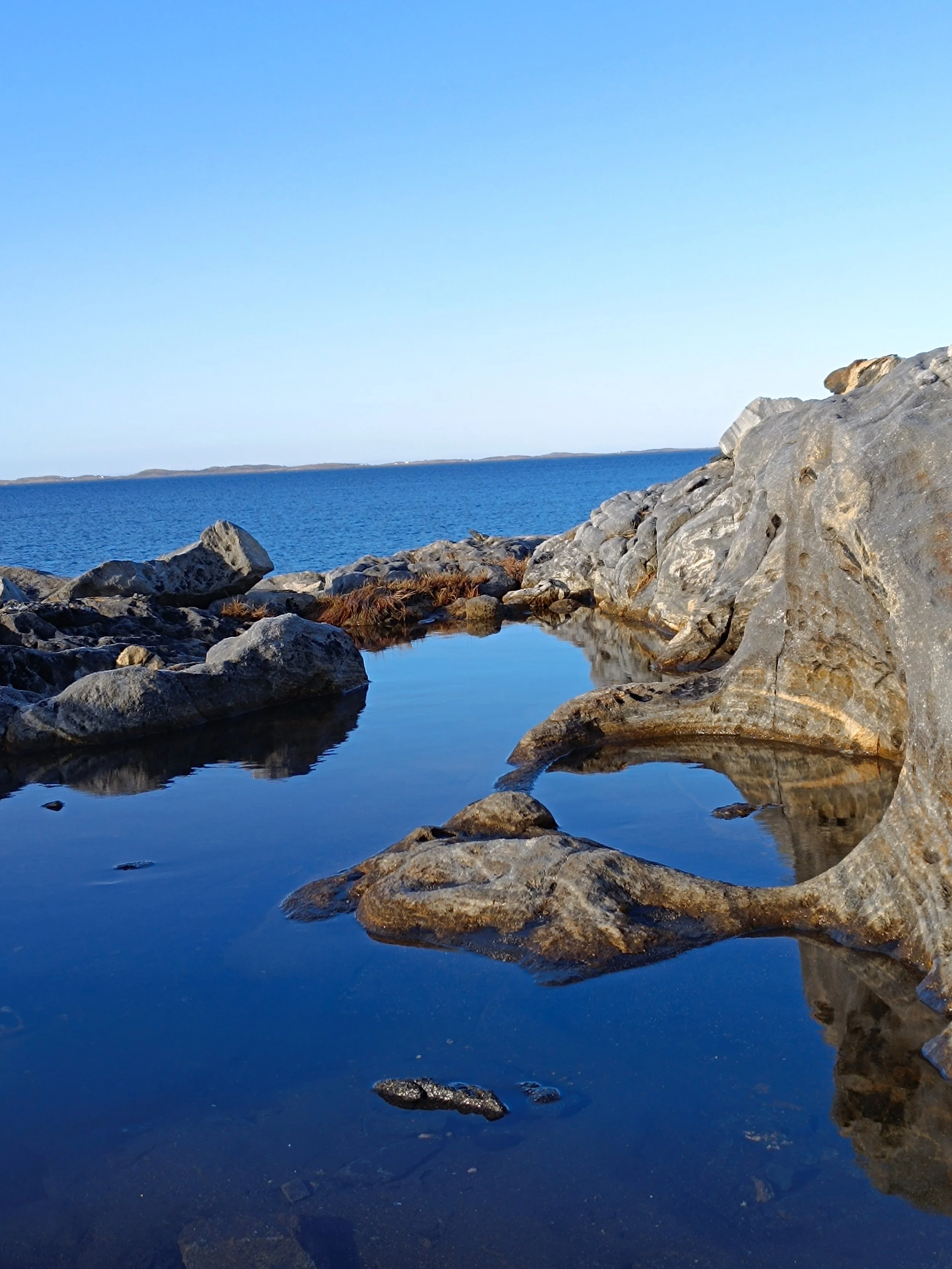
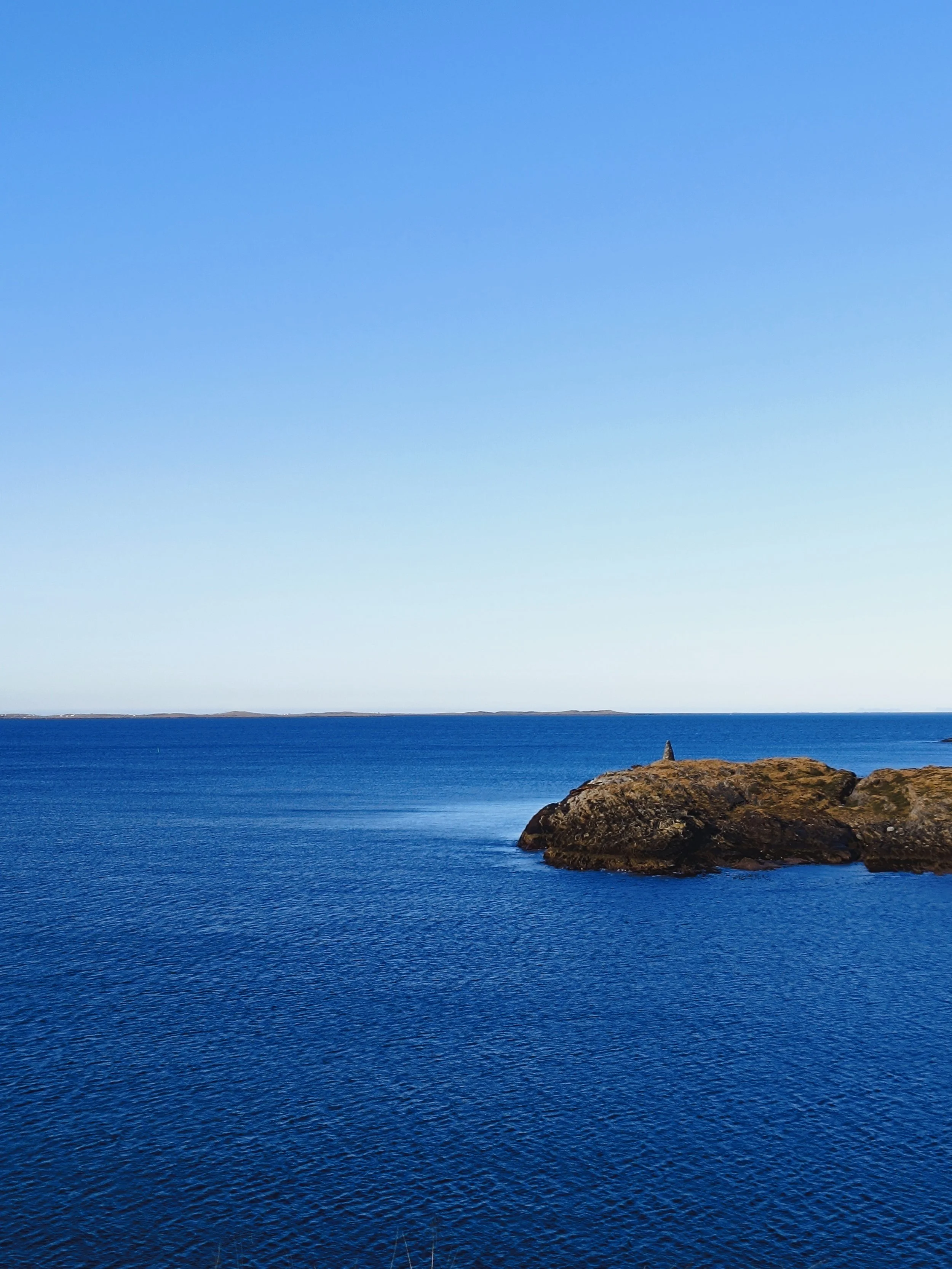
In my free hours I walked the shorelines and the cliffs, went fishing, or simply watched the weather change. The sea was different every morning, flat and silver on some days, dark and heavy as iron on others. Mist could take the whole island for hours and then lift without leaving a trace. I began to notice smaller things: the movement of cloud, the calls of the seabirds, the way the weather changed the colour of the water. It affected me more than the landscapes I had grown up with in Slovakia.
≭
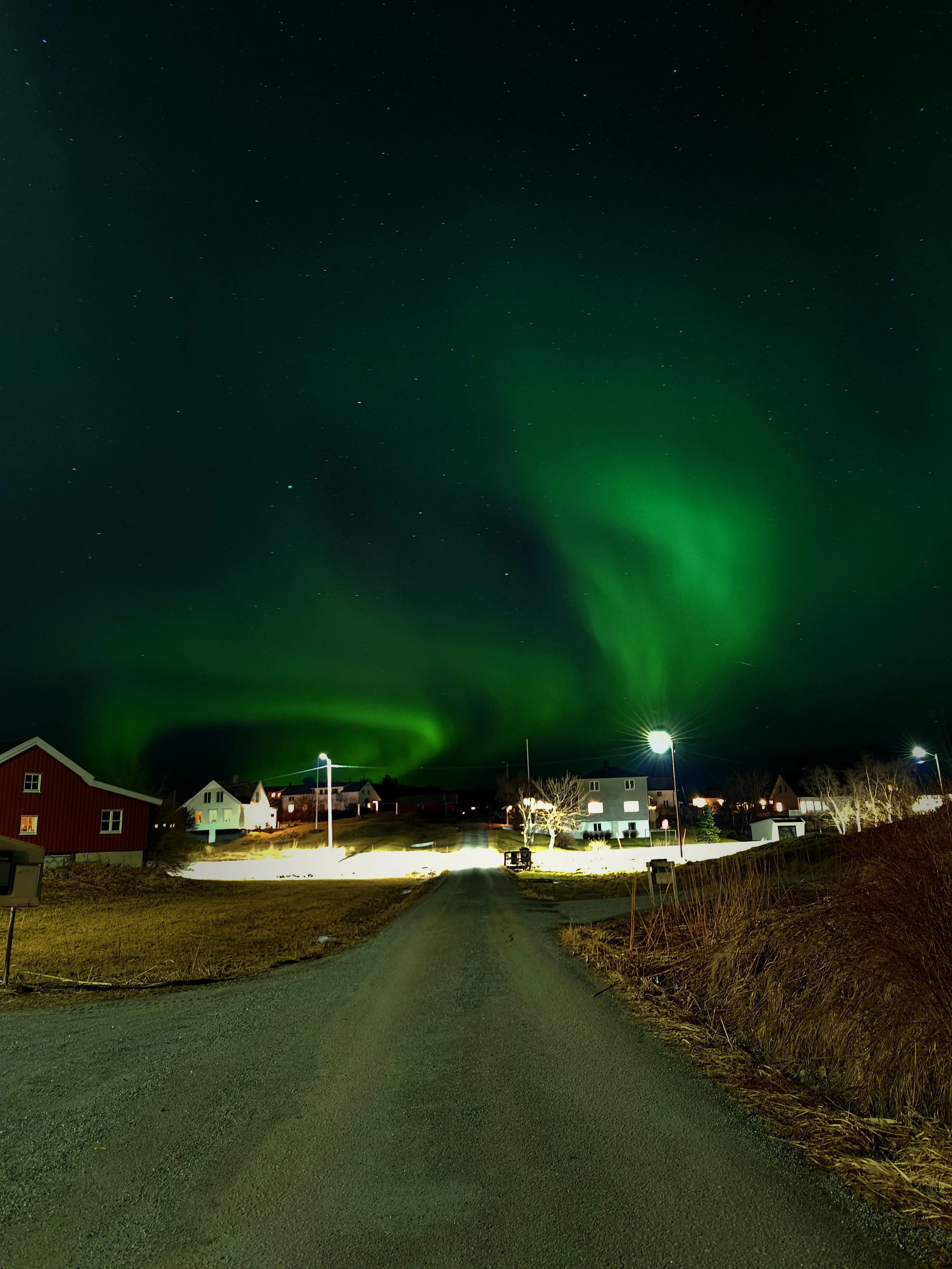
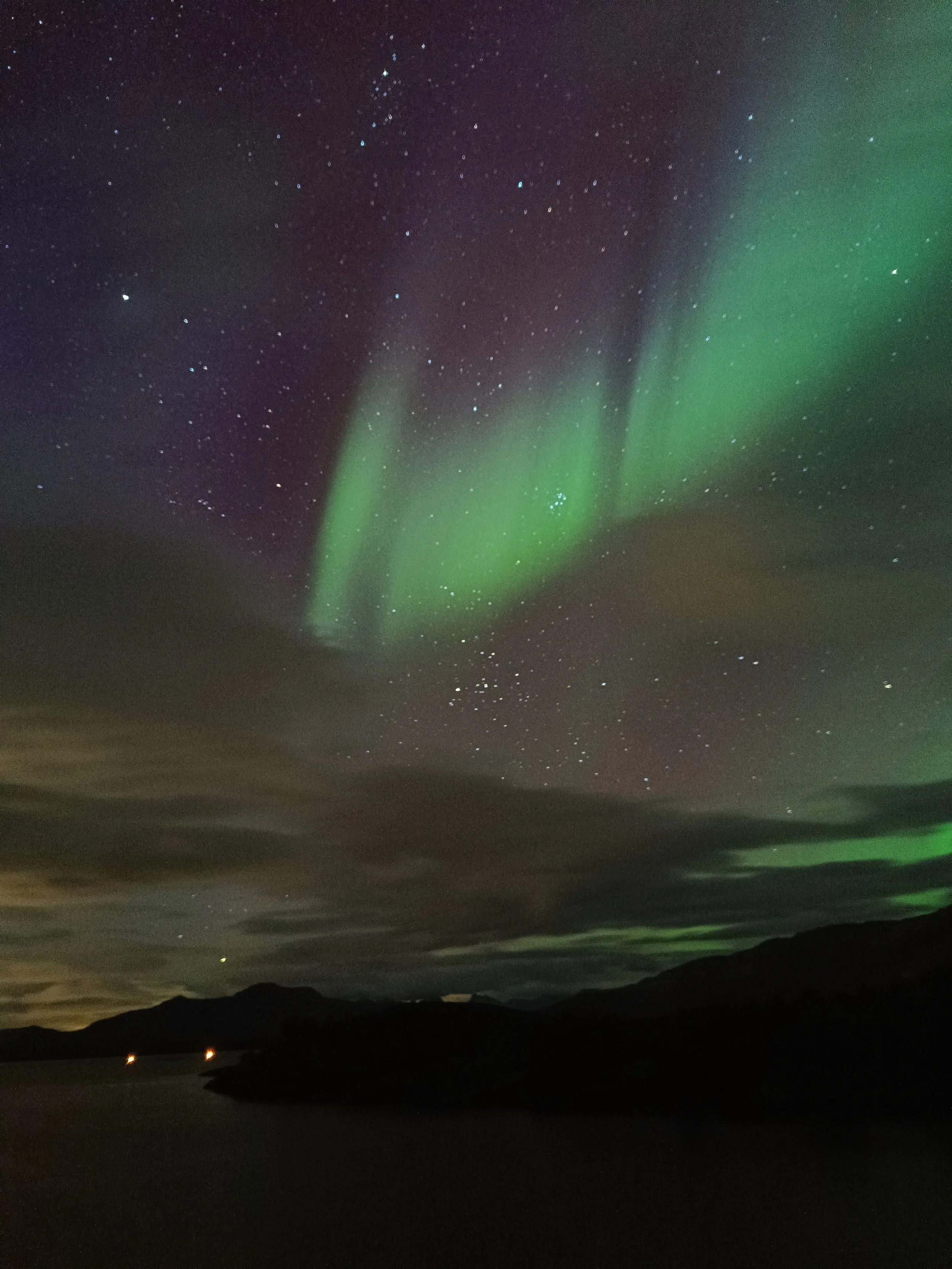
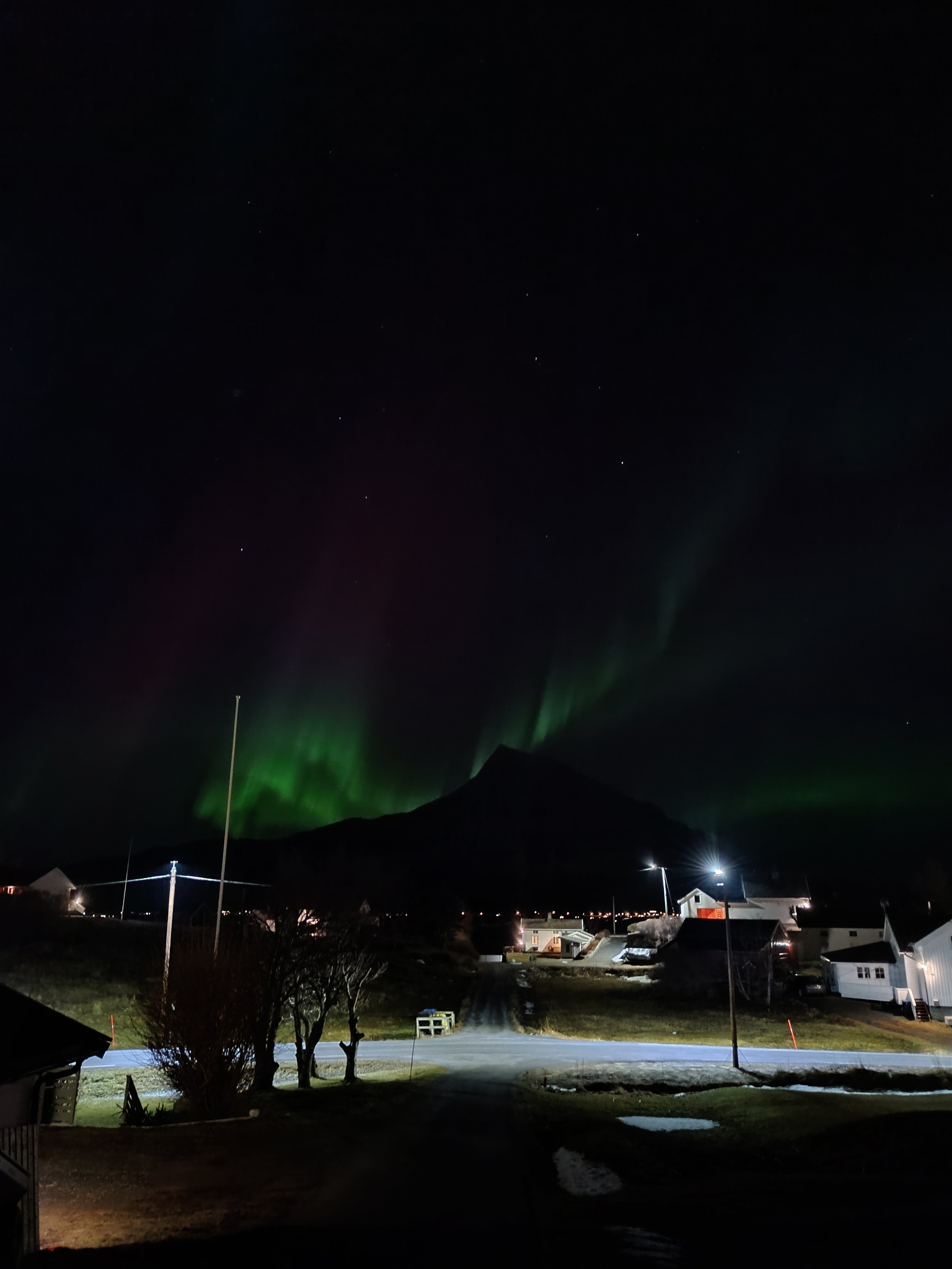
Then there is the aurora. At this latitude it belongs to the dark half of the year, because in summer the sky never gets dark enough to show it. Through the autumn and the winter it was over the island almost every night.
The work here is simple and unhurried, and I found more in it than I expected: a routine, a place among other people, and long hours in which the mind is free. Somewhere between the walks and fishing, I started to want to make things again.
Without Instruments
Before I came north, I made music. In Slovakia I spent long nights composing, looking for feeling in sound rather than in words. I did not bring my instruments or my recording software with me, and for a while there was nothing in their place.
So I walked. I took the paths around the island and the ones that were barely paths, and I carried the need to make things out into the landscape with me. Over time I understood that what I had once put into melodies could go into sentences instead.
≭
Two people gave the story its human centre: Siegfried, whom I came to know here on the island, and Linnet. I did not copy either of them onto the page. I tried to keep what they meant to me at the time, the moments we shared and the way they changed how I saw this place, and to build the emotional core of the book around that. Some of the book happened and some of it I invented, and I set them next to each other.
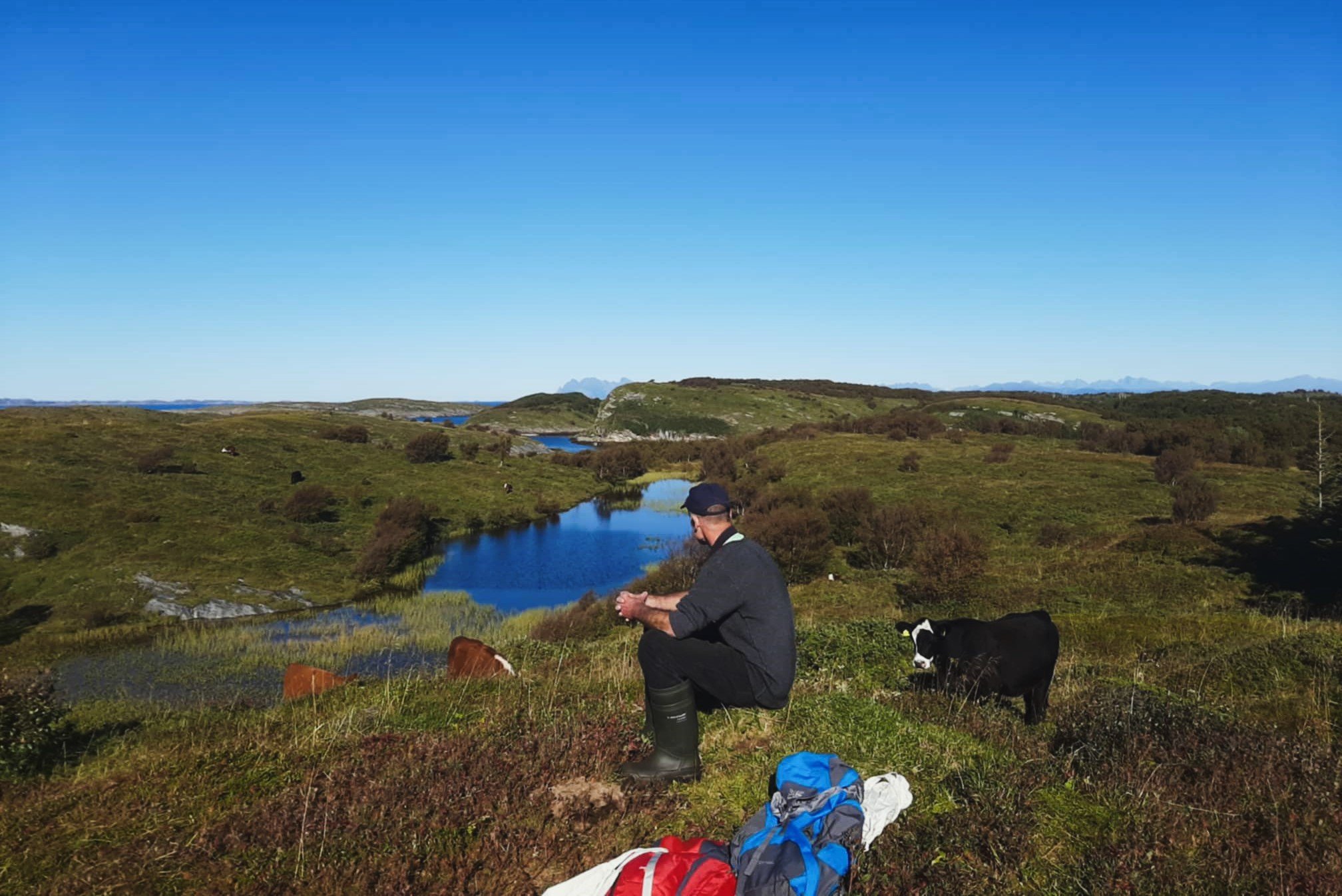
Siegfried near Fallvika, Sør-Arnøy, Norway, 2023
The Nights
When I began, I did not know it would become a book. It started as an idea, a story that joined the feeling of this place to questions and odd ideas I already carried. I could see the beginning and the end, and the road between them showed itself slowly. The structure I drew up at the start barely changed.
I wanted the book to stand for who I am, made from memory, from experience and from fragments of real life. Alongside the writing I designed the cover and the look of the book, and neither has changed since the early drafts. I wanted it to look like the story inside it.
My my nights belonged to the story. I wrote late, often under the moving light of the aurora, while the house slept. Those hours became the best part of the day.
One thought sat in front of me most nights. I wanted to make something that would outlast me, a book my descendants could one day hold, a small record of what this time and this place had been. That thought kept me at the desk through the tired weeks and the long winter.
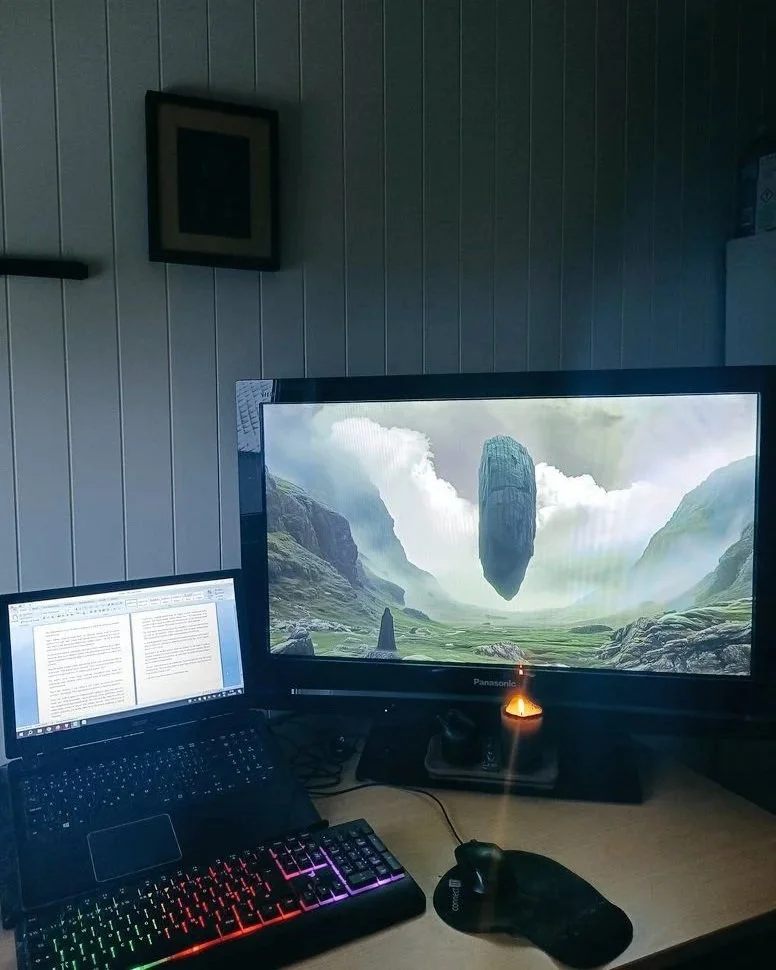
Writing Krelløy, Sør-Arnøy, Norway, 2024
Becoming Real
Finishing the story was one kind of work. Turning it into a book was another. Editing, formatting, typesetting and design each asked for a different patience, and I learned most of it as I went.
The ebook went live on 13 July. I hesitated before publishing it and had no idea how people would respond. Then readers wrote to me. A few said they could not quite describe why the story had stayed with them, only that it had. For the first time, Krelløy existed outside my own head.
The paperback followed on 11 September. The weeks between the two editions were long and uncertain. I spent less time outdoors and more at a screen, preparing files, adjusting details, and learning the other half of publishing: author pages, my first ads, an ISBN from the National Library of Norway and a barcode of my own. Holding the first printed copy was strange.
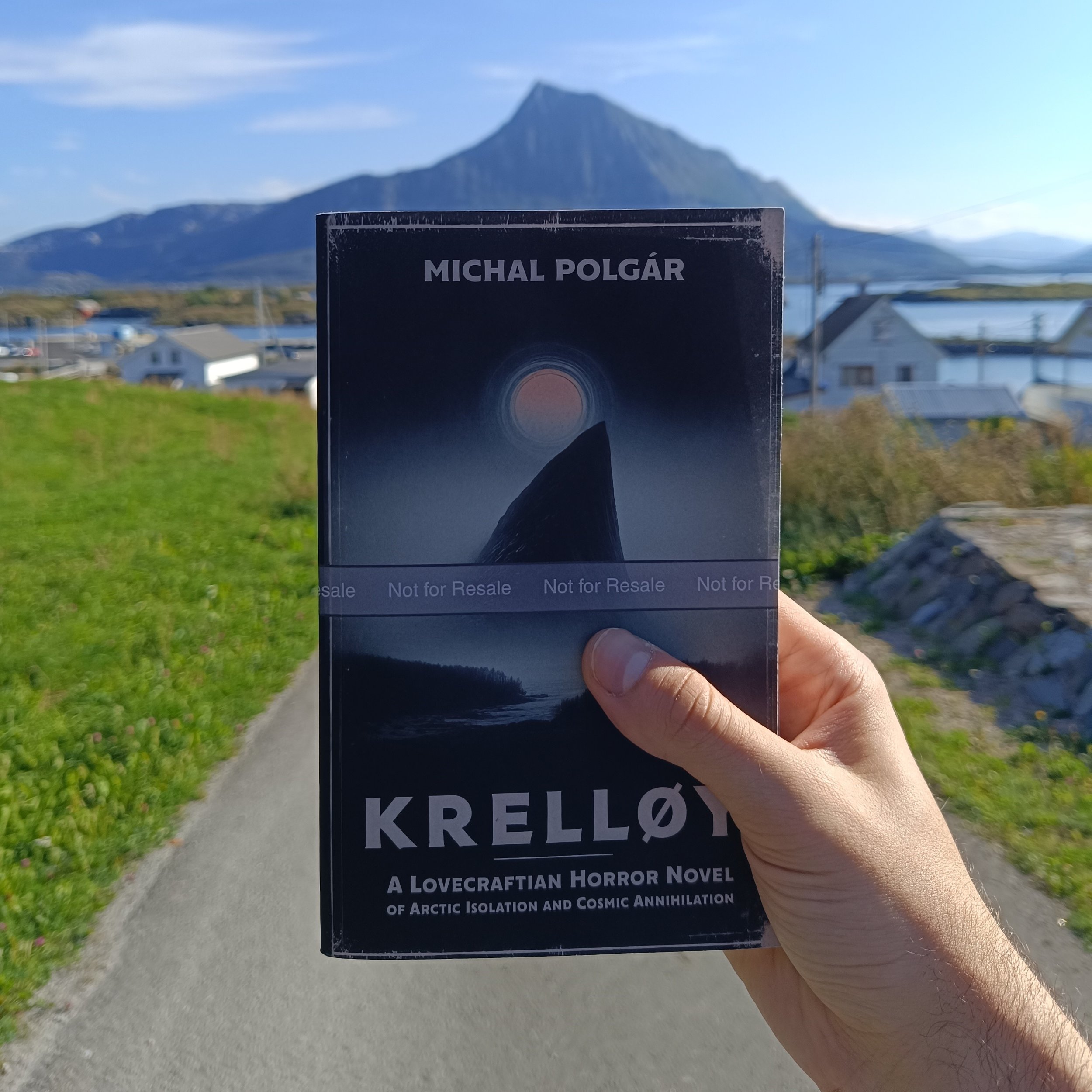
The first proof copy of Krelløy, Sør-Arnøy, Norway, 2025
≭
Word went around the island. People talked about the book, passed it on and asked me questions about it. By the end of the summer, what had begun as a hobby had become professional work, with a future I could finally see.
Pellerie
Once the paperback was approved, I ordered twenty-six copies. Three went to the National Library of Norway as legal deposit. Norwegian law asks for copies of everything published in the country, and they are kept at the library’s repository in Mo i Rana. Others went to the library in Gildeskål and Bodø. The rest became gifts for friends and old comrades who had followed the book from the beginning.
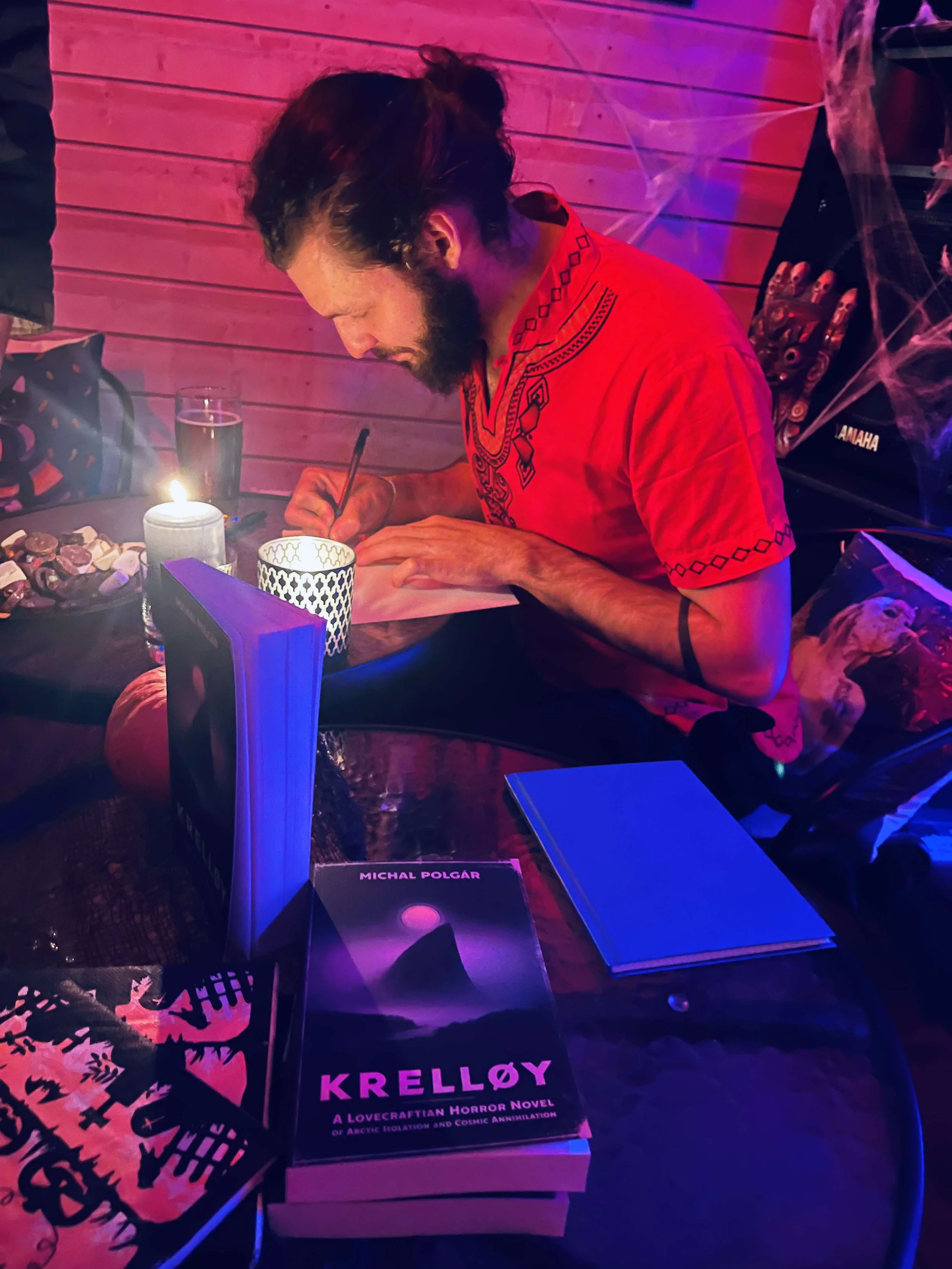
On Halloween I presented Krelløy at Pellerie, here on Sør-Arnøy. My very first launch of my own book. It was a dark autumn evening, and the restaurant was warm and full of light. I signed books, saw the faces of people who had read it and felt how interested they were. The kindness of everyone who came left me with very little to say.
The story had come back to the island that made it, no longer a file on a screen but a book in people’s hands.
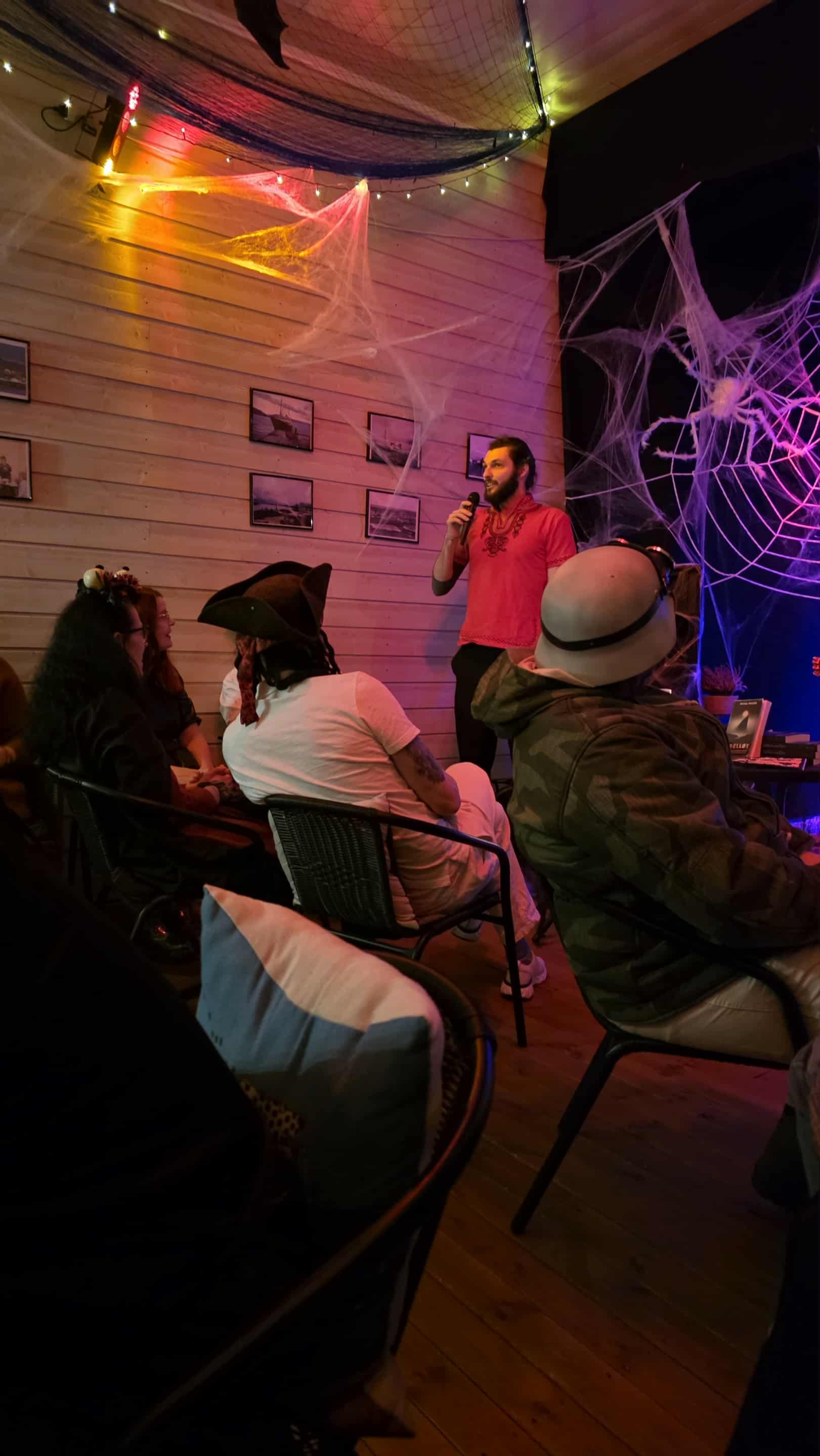
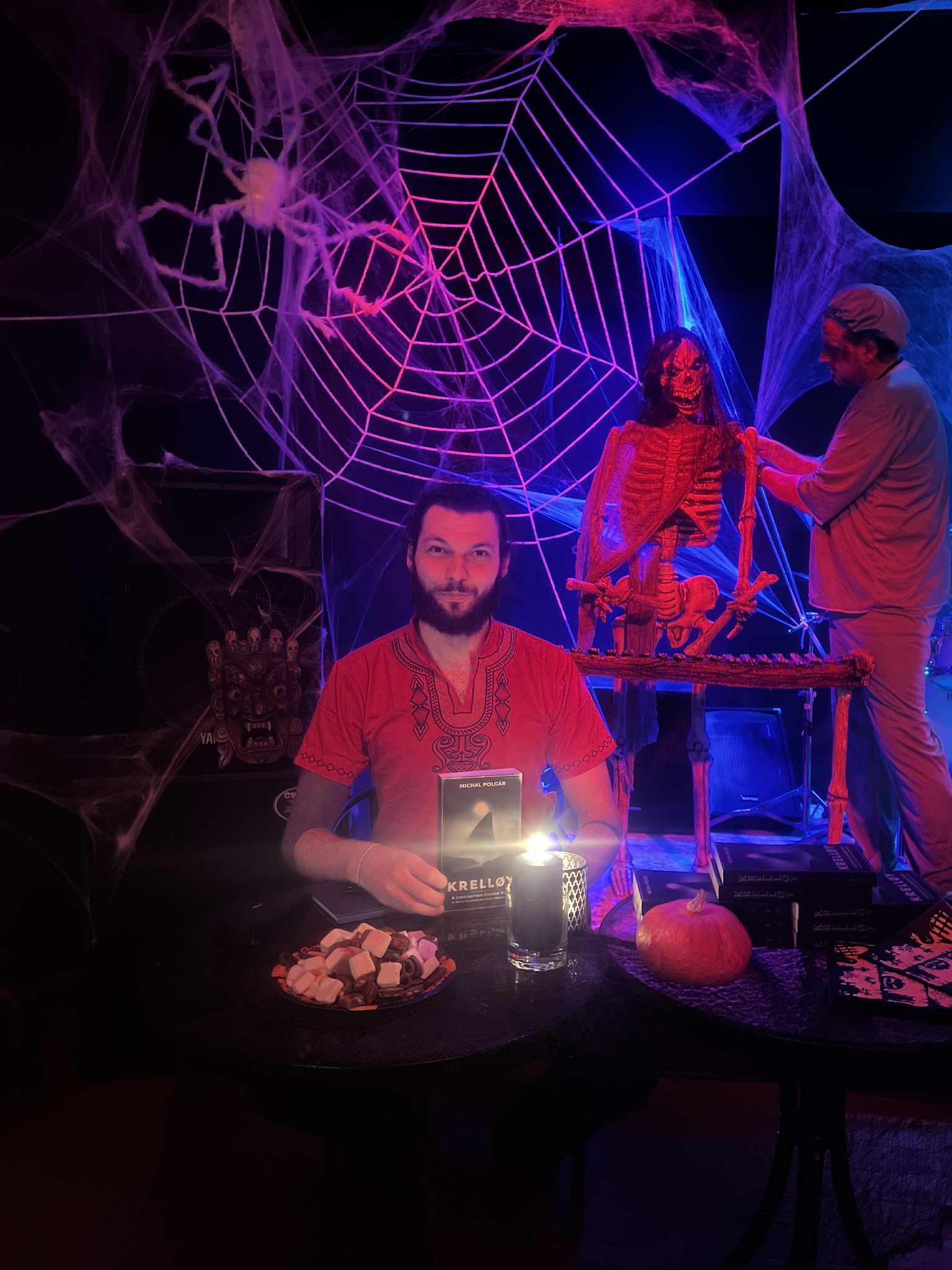
Thank you to everyone who came that night, and to everyone who has read it since.