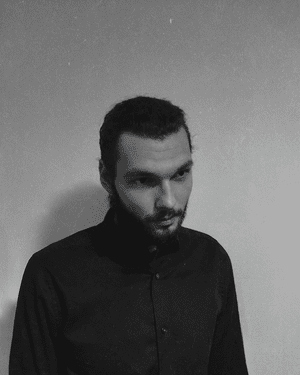
I had written Kongit into a book before I had ever seen it. In December I went there to meet Linnet’s family.

With Linnet, Kenya, 2025
Departure
At the end of November I flew to Kenya to see Linnet. It was my second visit, and this time we had a plan: a week in Nairobi, then west to Kongit, her home village in Bungoma County, on the slopes below Mount Elgon, to meet her parents. I had written Kongit into Krelløy long before I had ever seen it.
The flight crossed Ethiopia. Its script went past me on signs and screens, and I could not read a letter of it. Later, from the window, I saw Lake Turkana. When I landed in Kenya, the calm surprised me. It did not feel like arriving somewhere new.
Linnet was waiting at the airport. After months of voices through a screen we were finally in the same place, and we gave ourselves a week in the city before going any further.

Lake Turkana from the air, Kenya, 2025
Nairobi
Nairobi felt familiar more quickly than I expected. I learned to pay with M-Pesa, the mobile-phone money that much of Kenya runs on, to bargain over prices, and to move at the city’s pace under a steady sun. I had left Norway in snow, and none of it felt foreign.
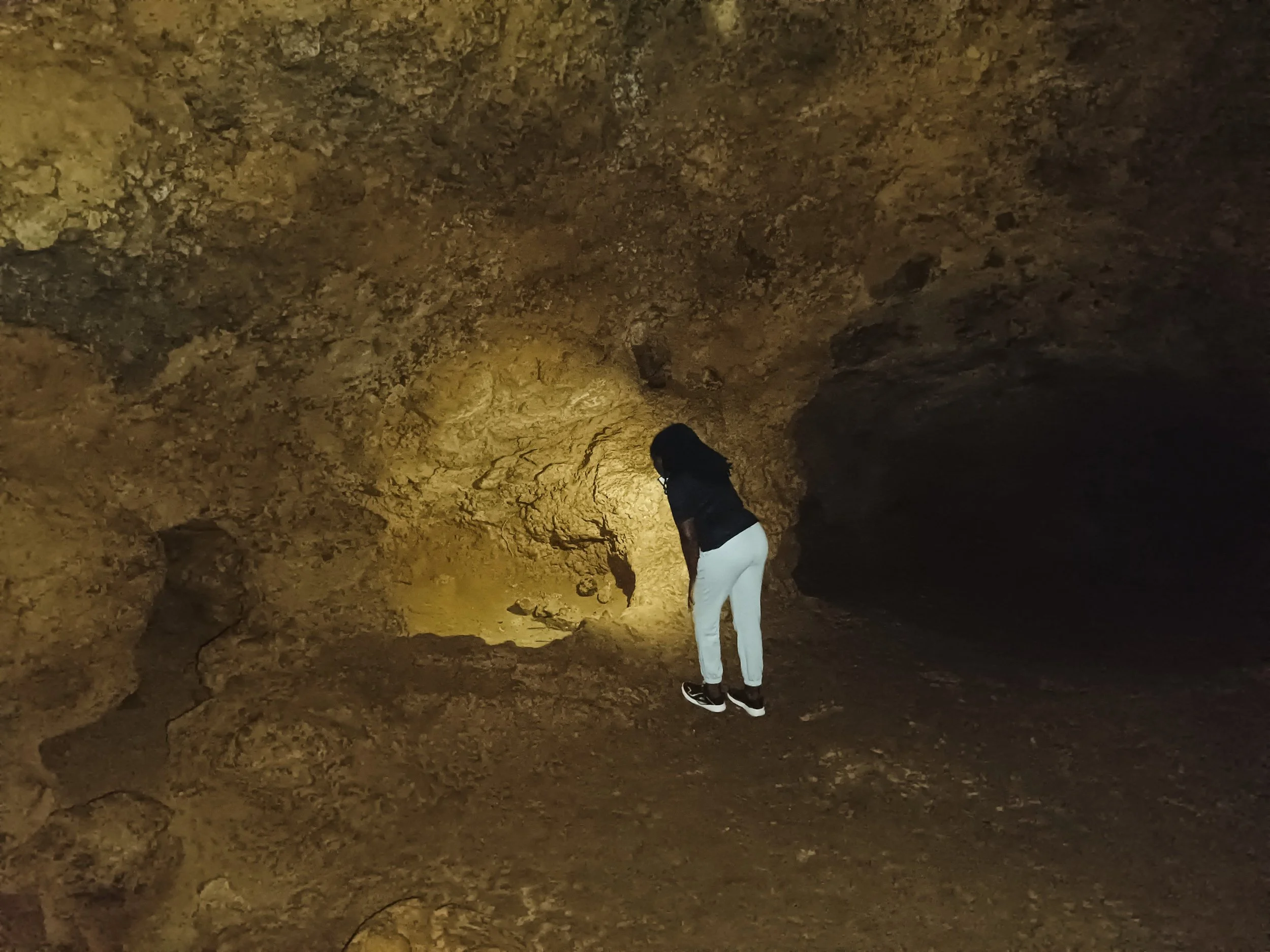
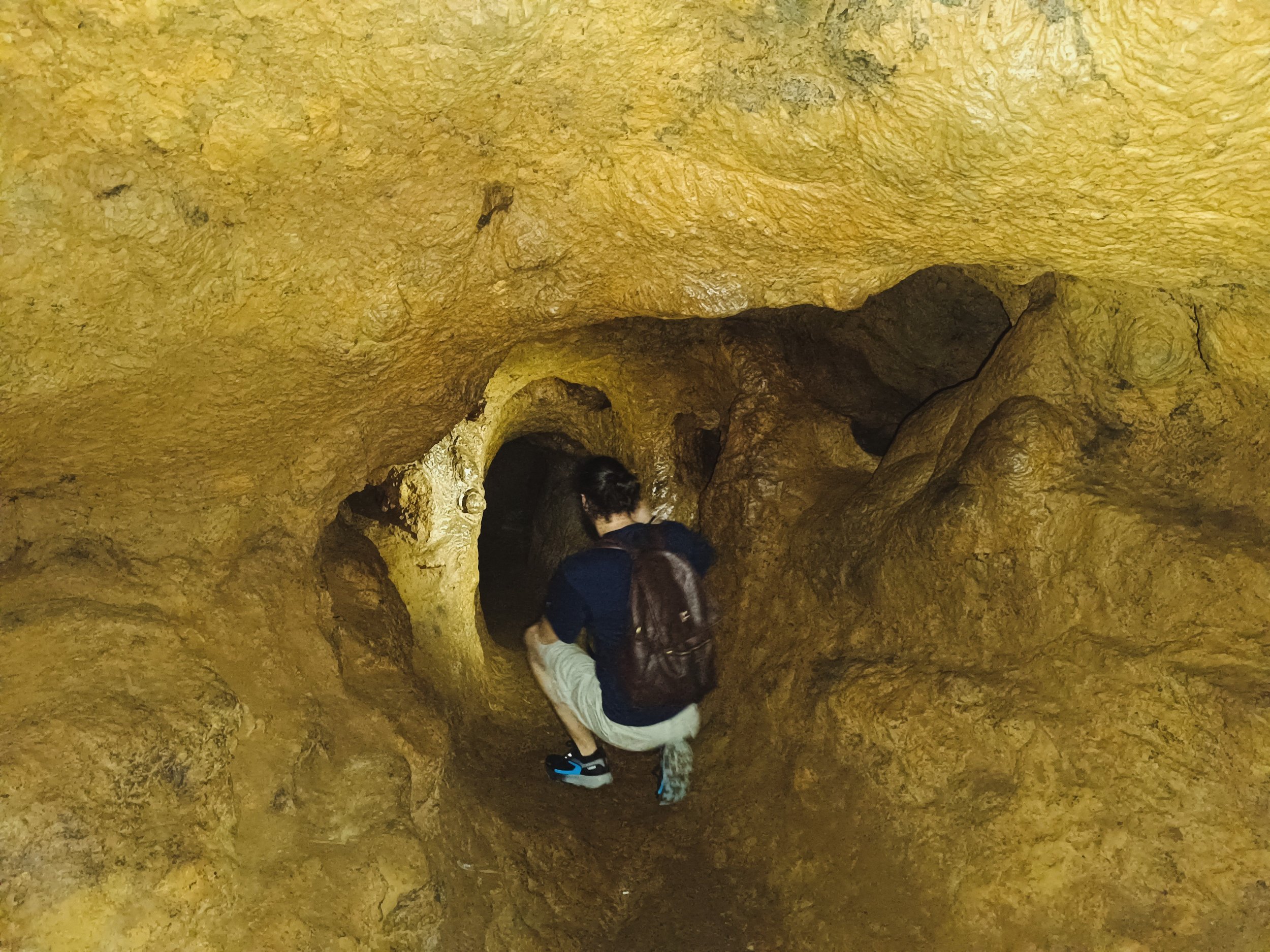
We cooked together, raced go-karts and walked through the Maasai market. Then we went looking beyond the usual routes and found a place in Kiambu County called Paradise Lost. At first it looks like an ordinary day out: a zip line over a lake, rafting on calm water, simple food in the shade. Under it there are caves, which people there call the Mau Mau caves.
Archaeologists from the National Museums of Kenya have found human remains in them between eight and twelve thousand years old, with obsidian tools from the Later Stone Age. The passages narrow and then open into a large chamber where the air feels heavier. I studied archaeology and have worked on excavations, several of them burial grounds, and in that chamber I could not stop thinking about the people who had stood there before us. They had not come to visit. They had lived there.
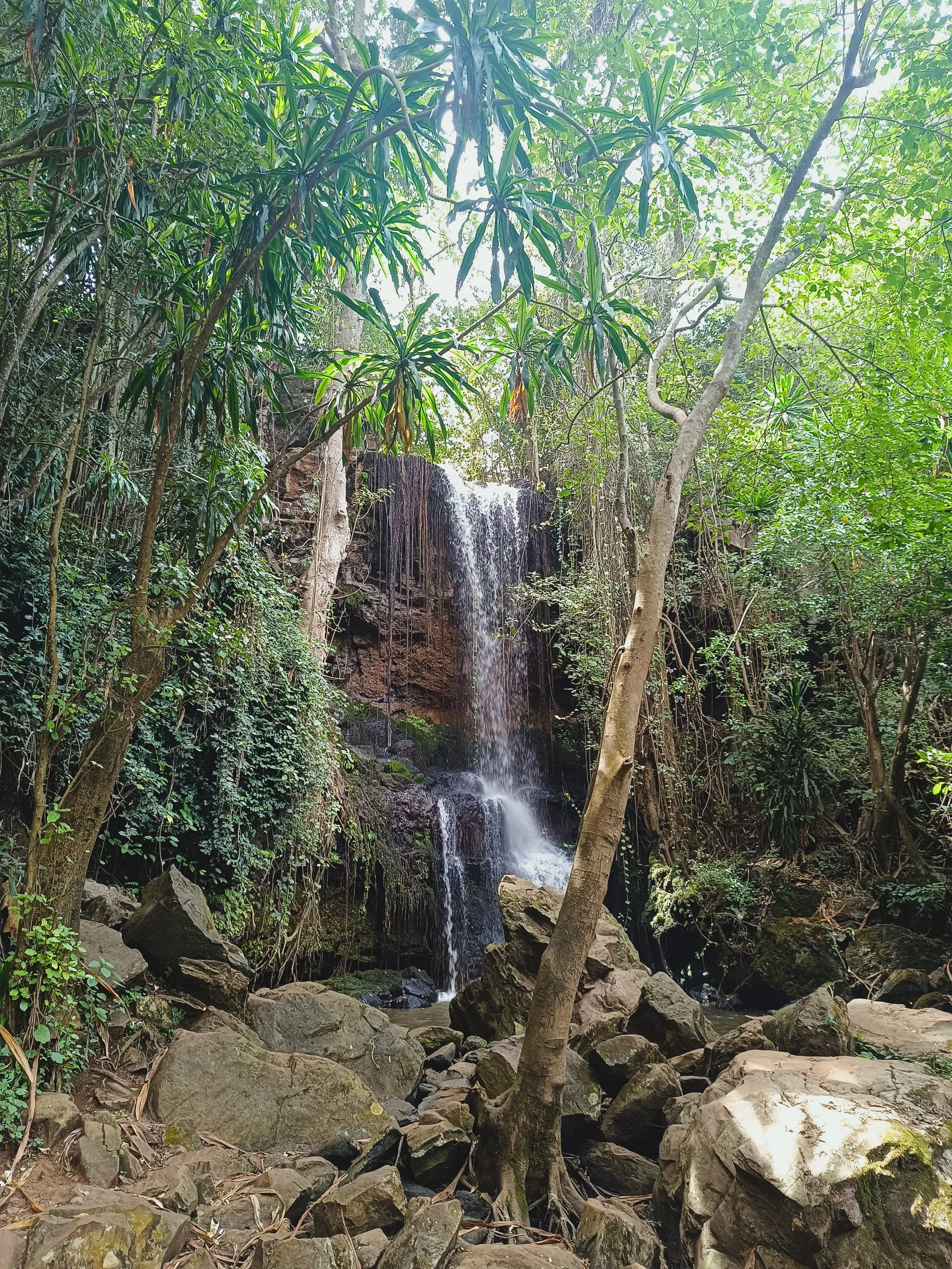
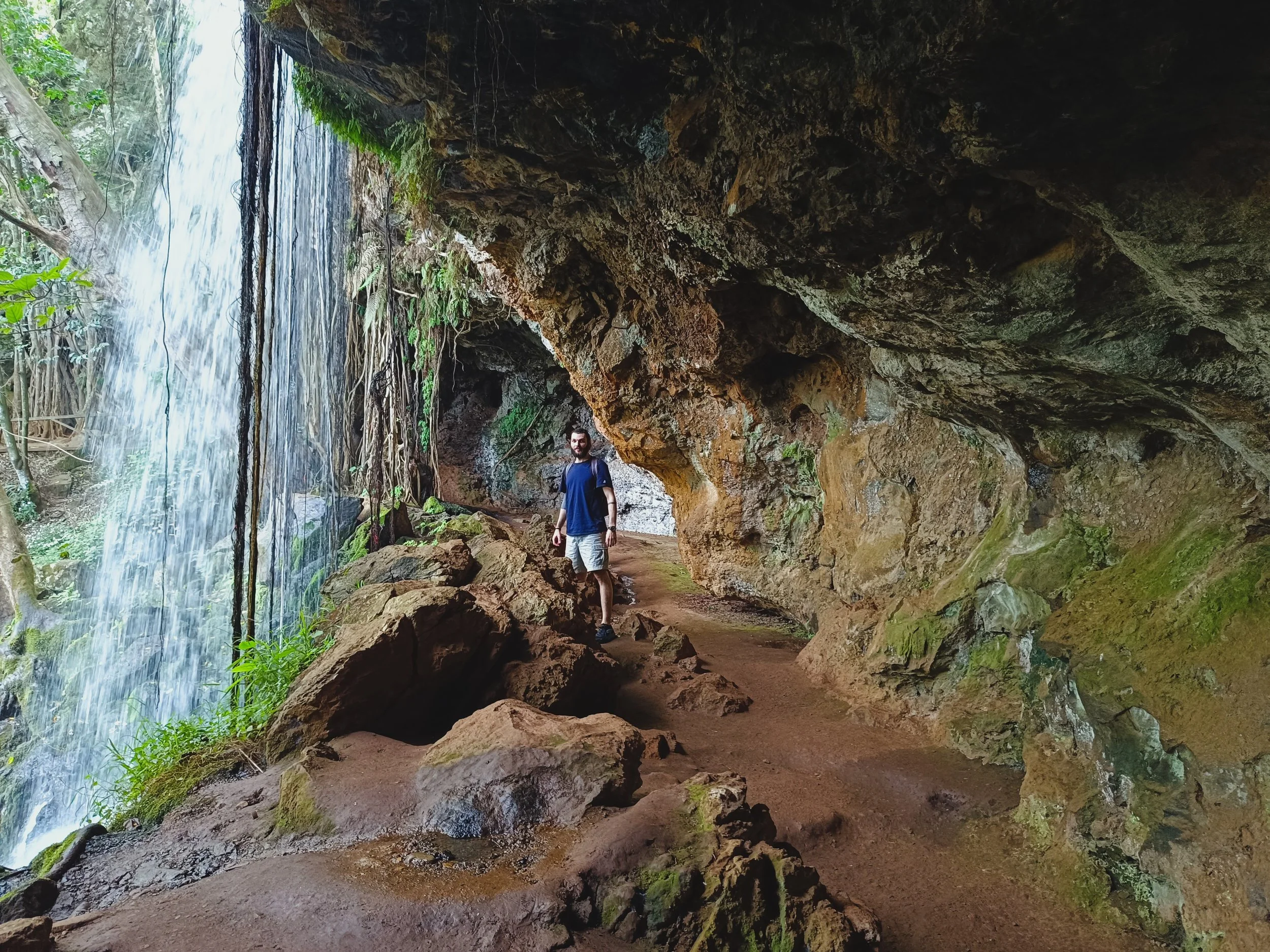
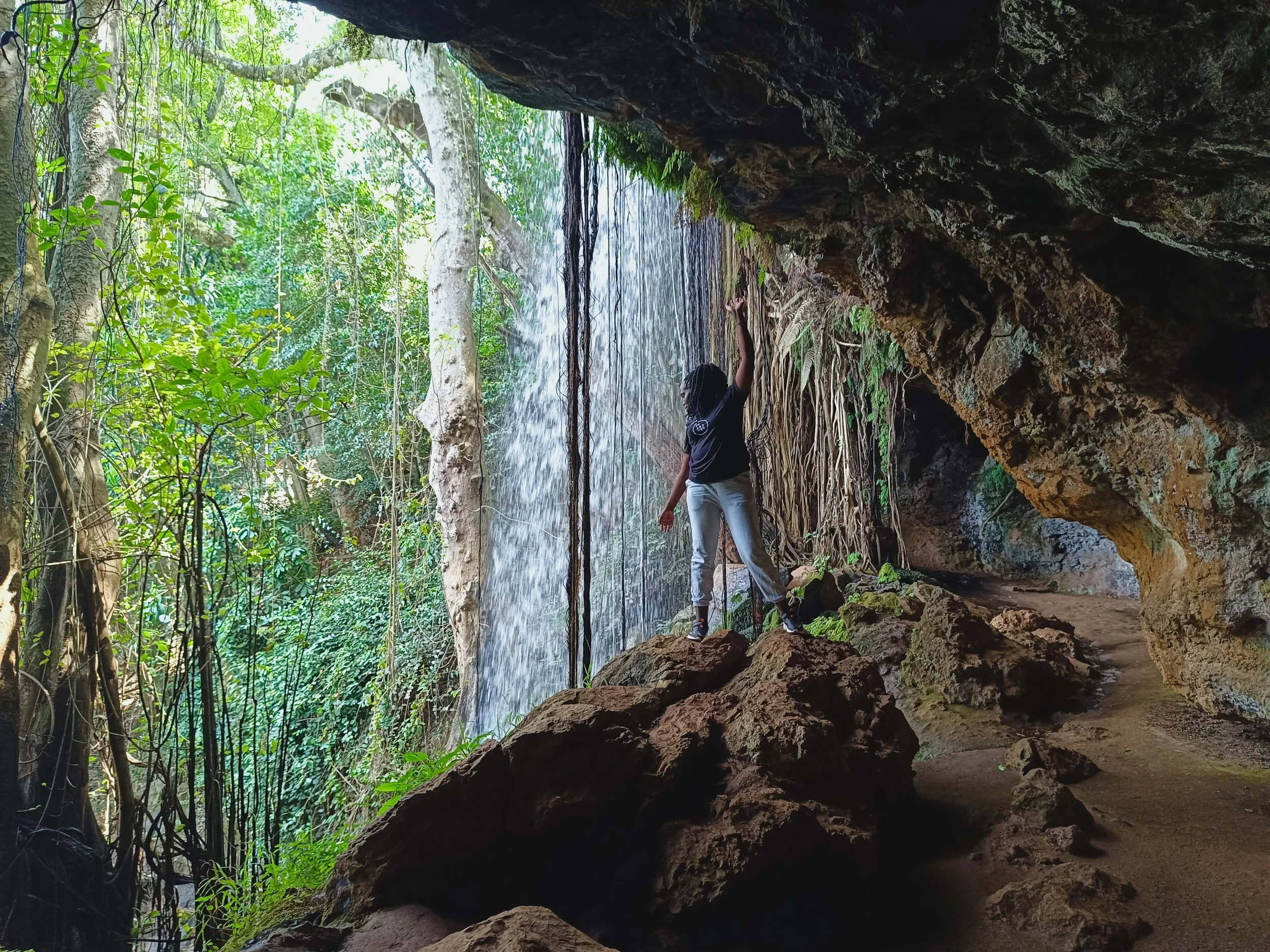
Near the caves a waterfall comes down through the rock, and we walked behind it along the cliff face, with the noise of the water covering everything else. Linnet went through all of it with interest and no fear at all. Watching her, I understood how much I trust her.
Towards Kongit
Before we left the city, we ate under the trees of the Nairobi Arboretum, went to the graduation of Linnet’s cousin Jacob (congratulations again, Jacob), and I met her uncle Jomba for the first time. Then we flew to Eldoret.
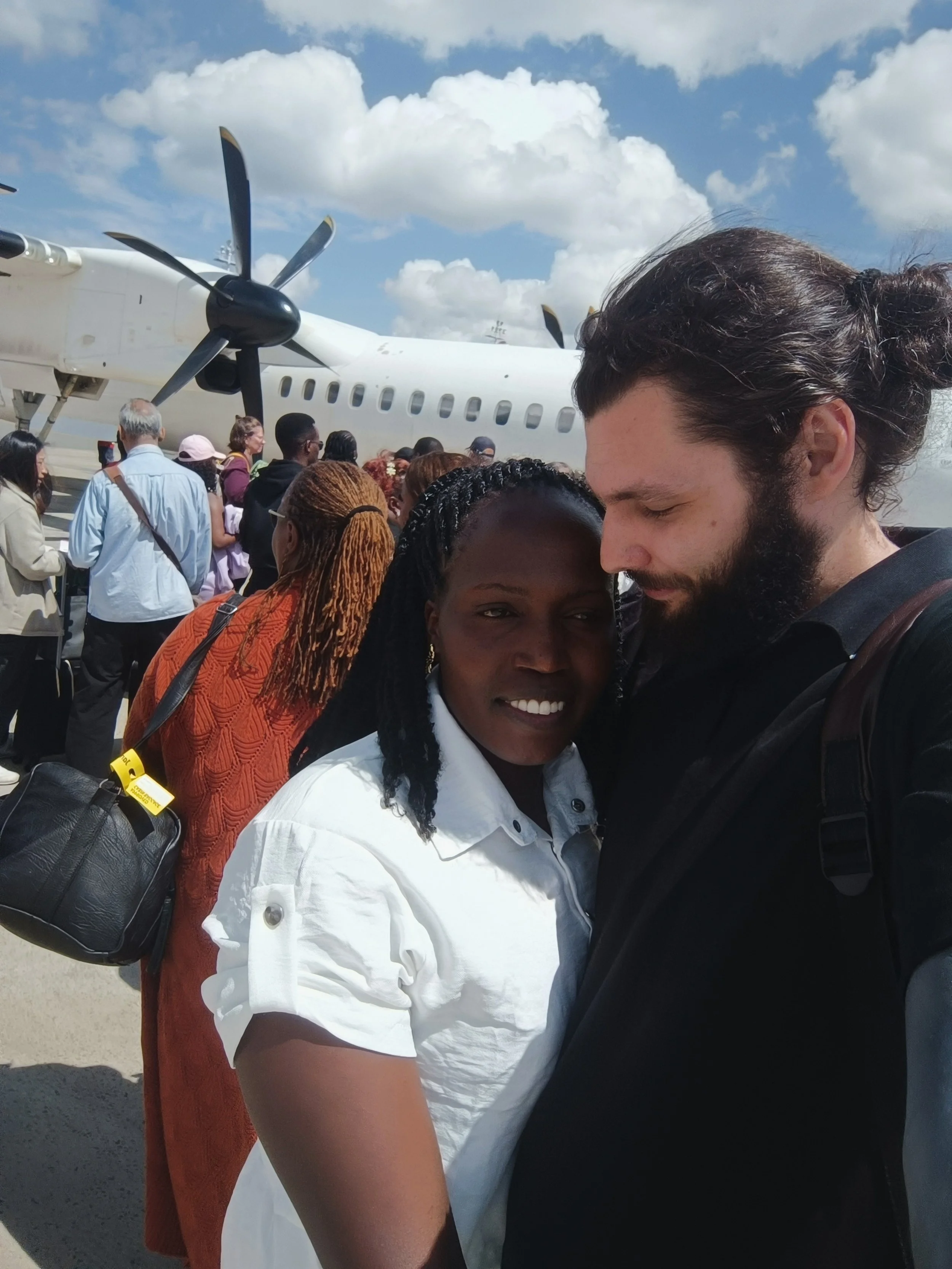
It was Linnet’s first flight. The plane was small enough that you could feel the air around it, and the flight was short and a little rough. She spent it looking out of the window and smiling. There is a steadiness in her that shows most clearly when things are unfamiliar.
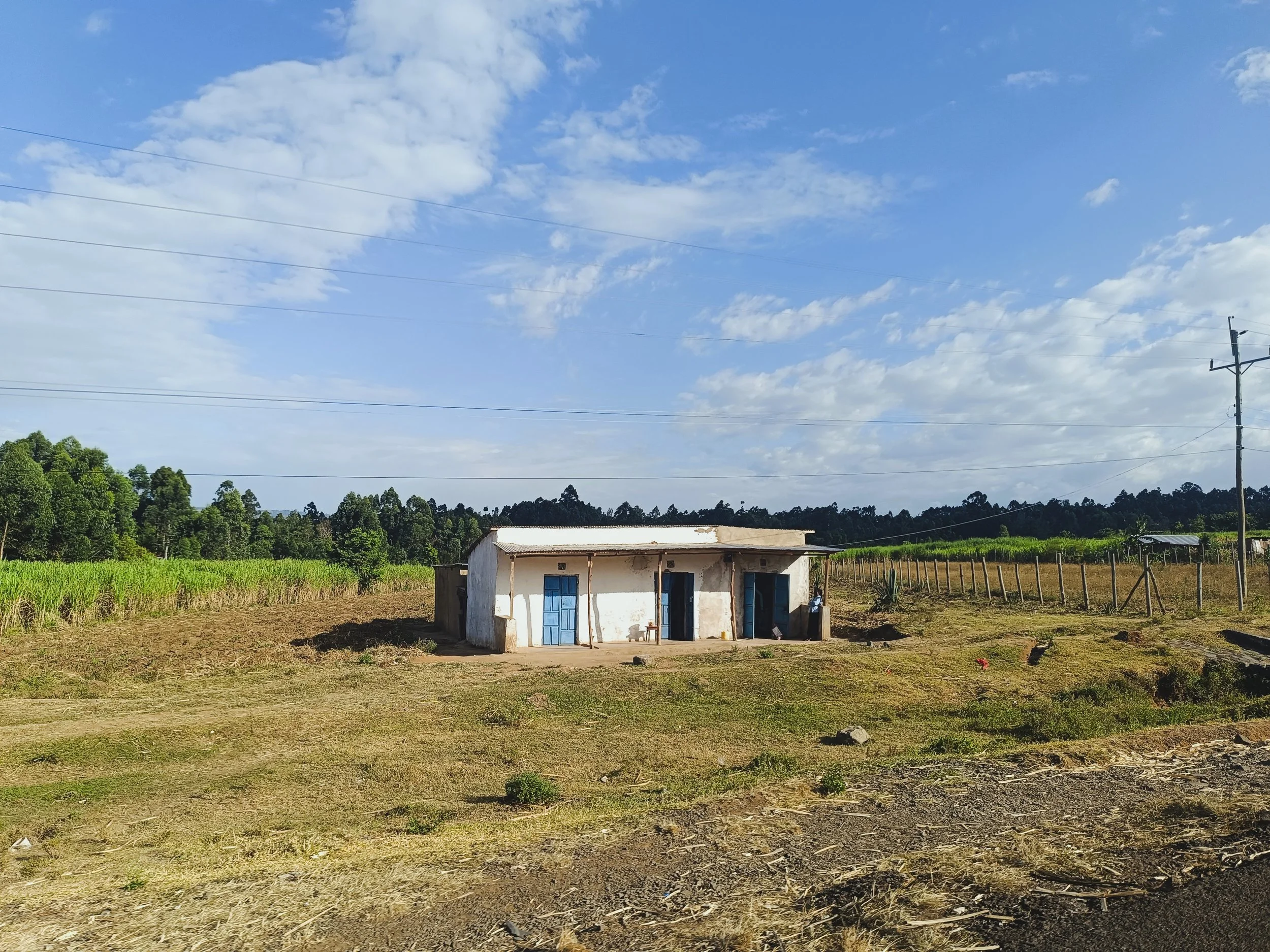
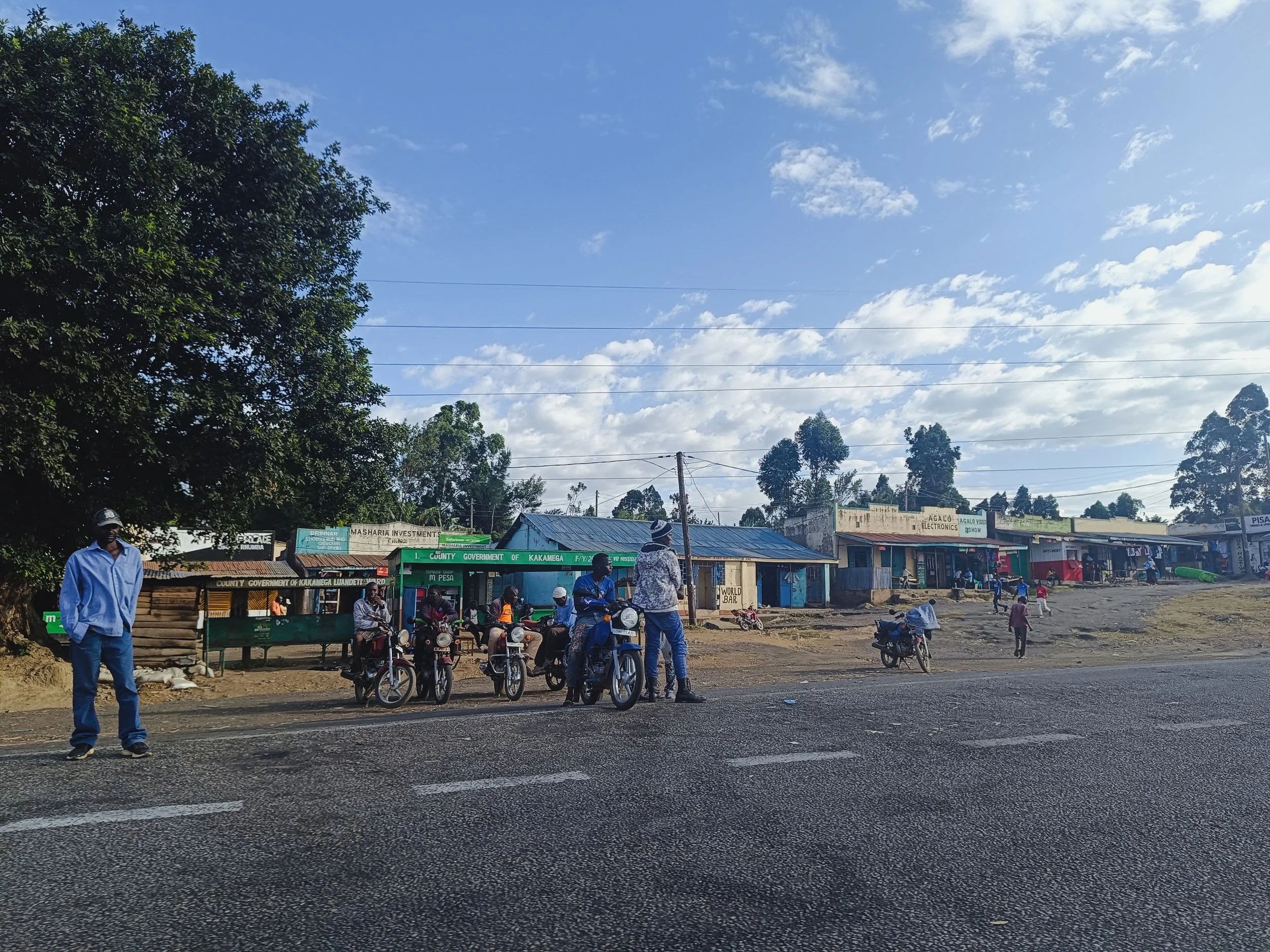
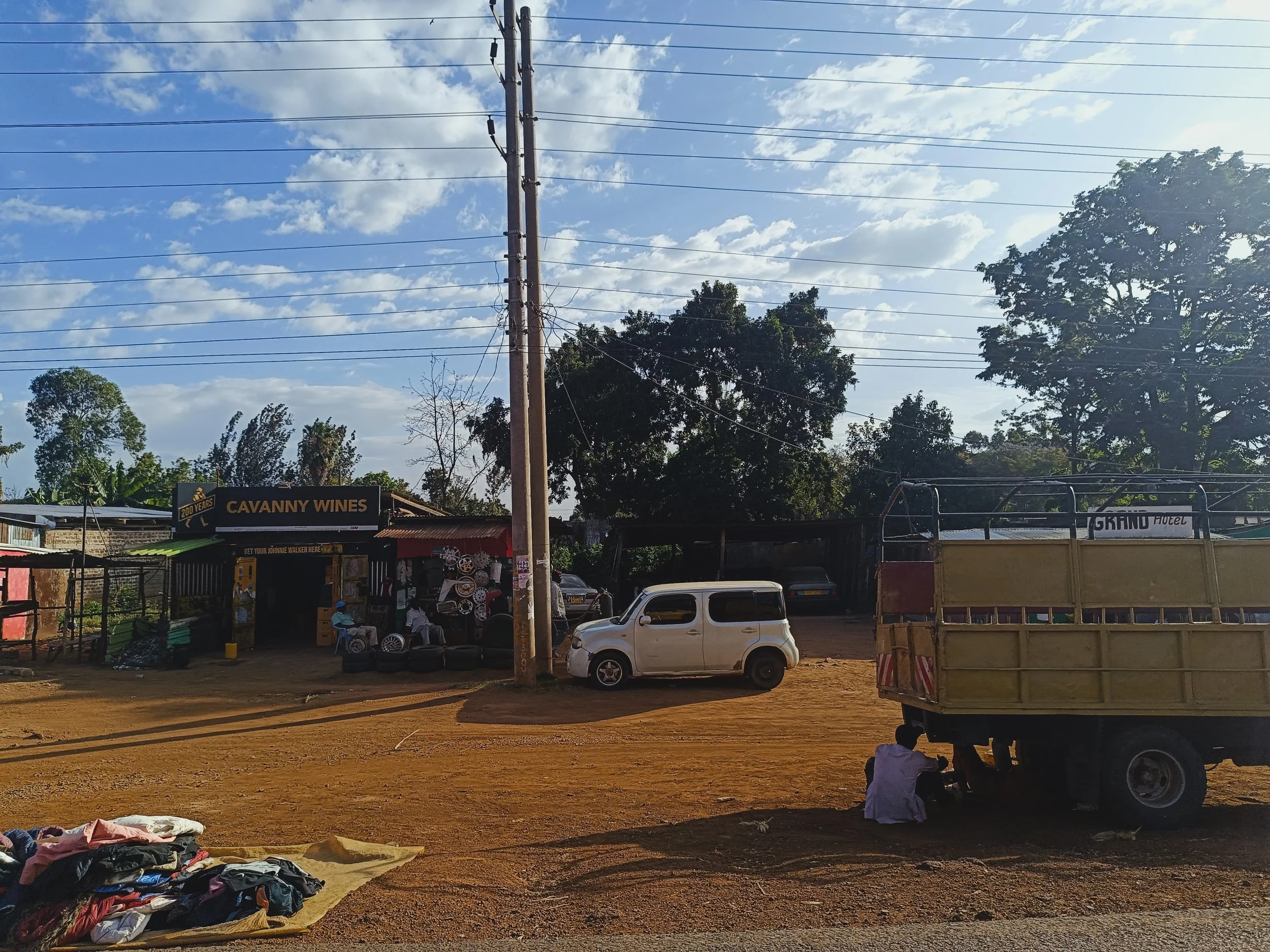
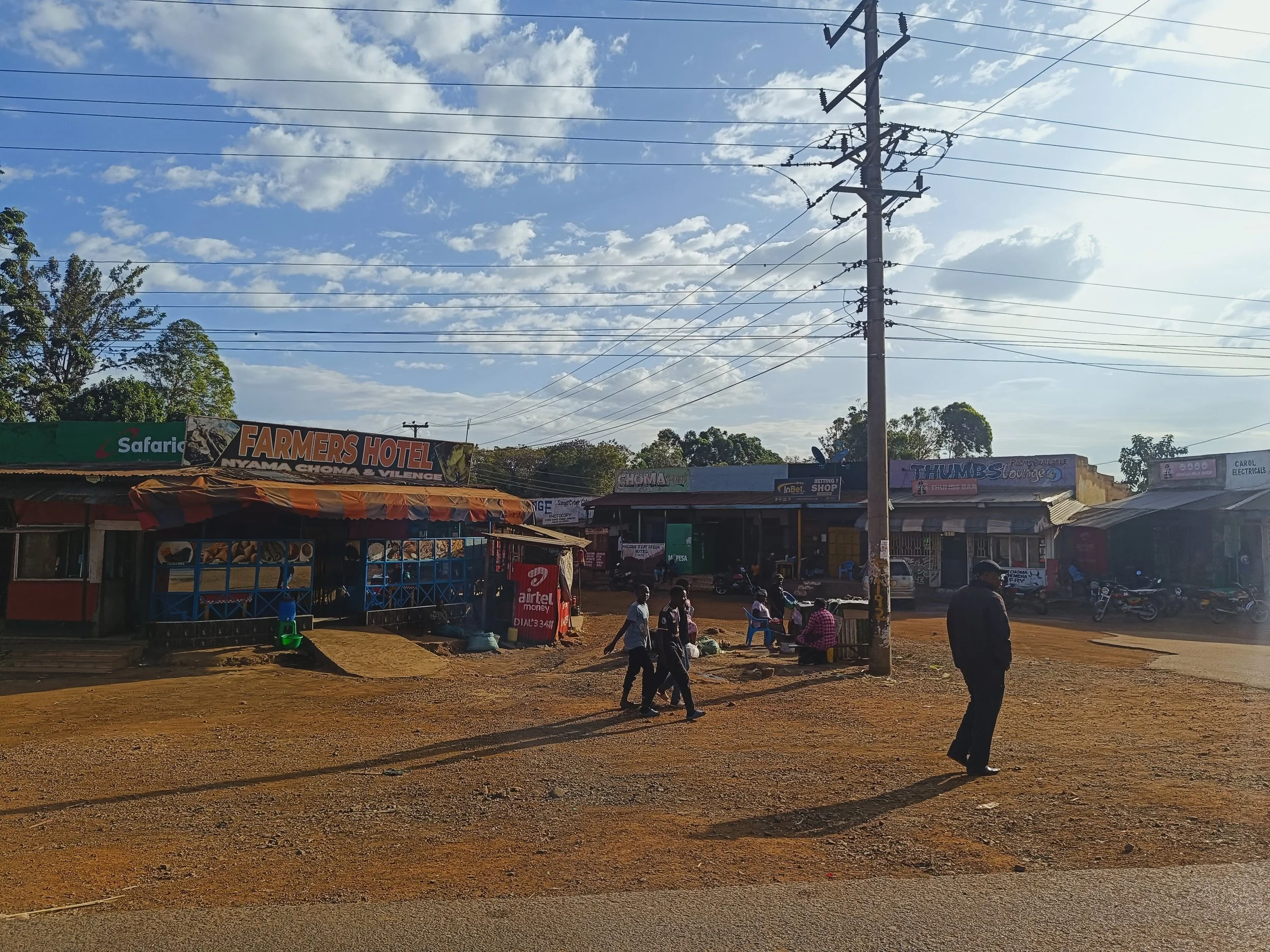
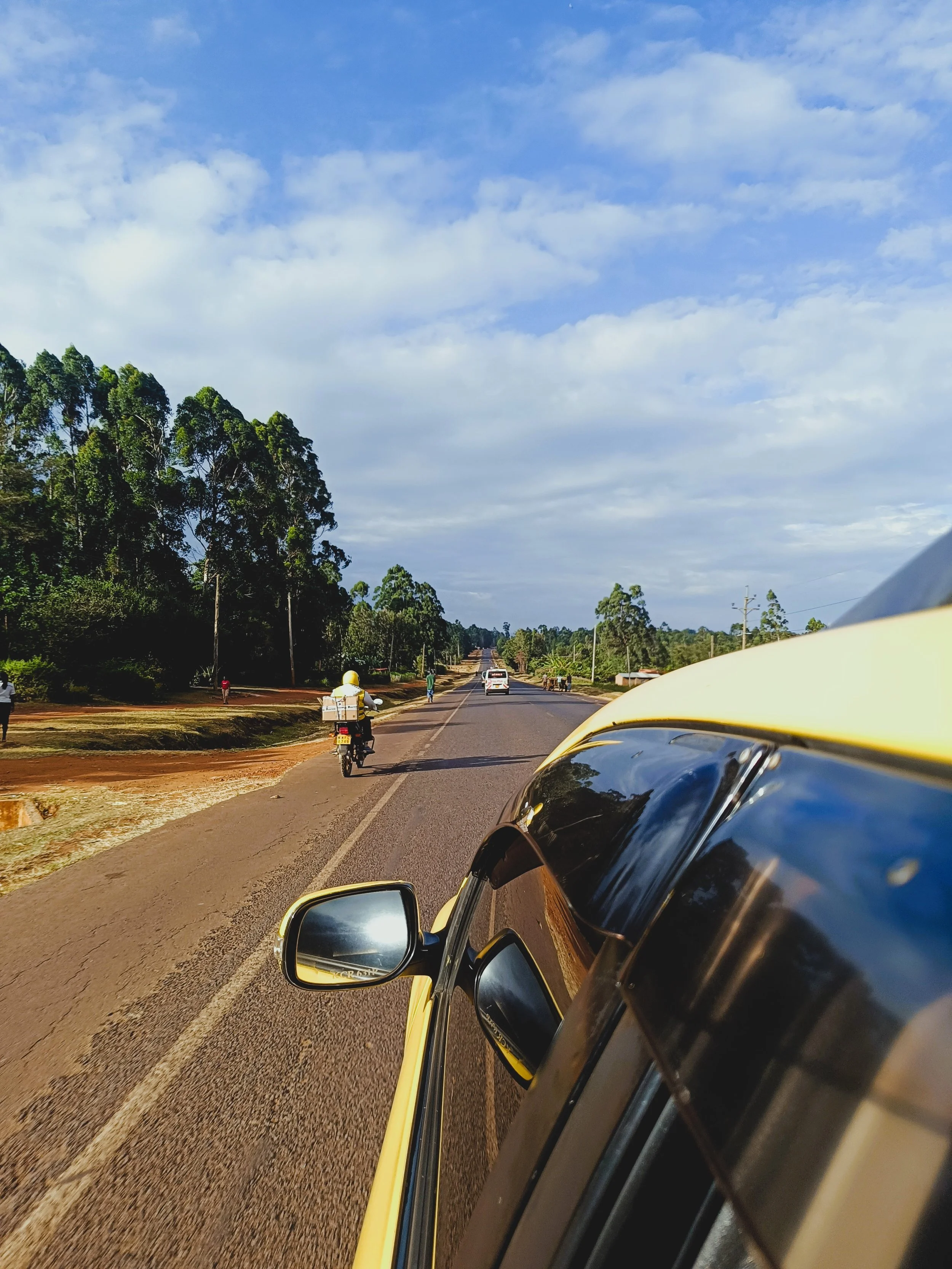
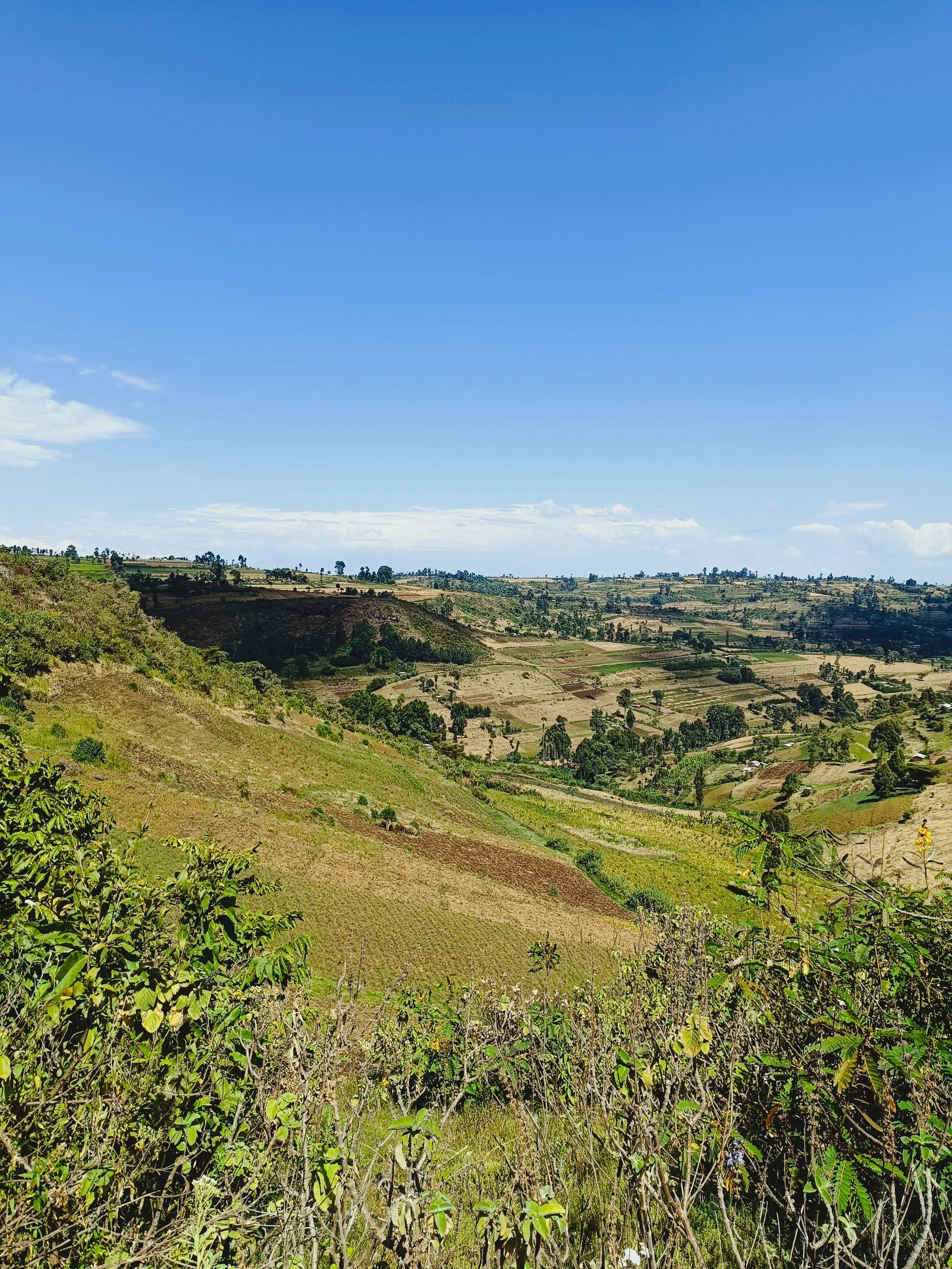
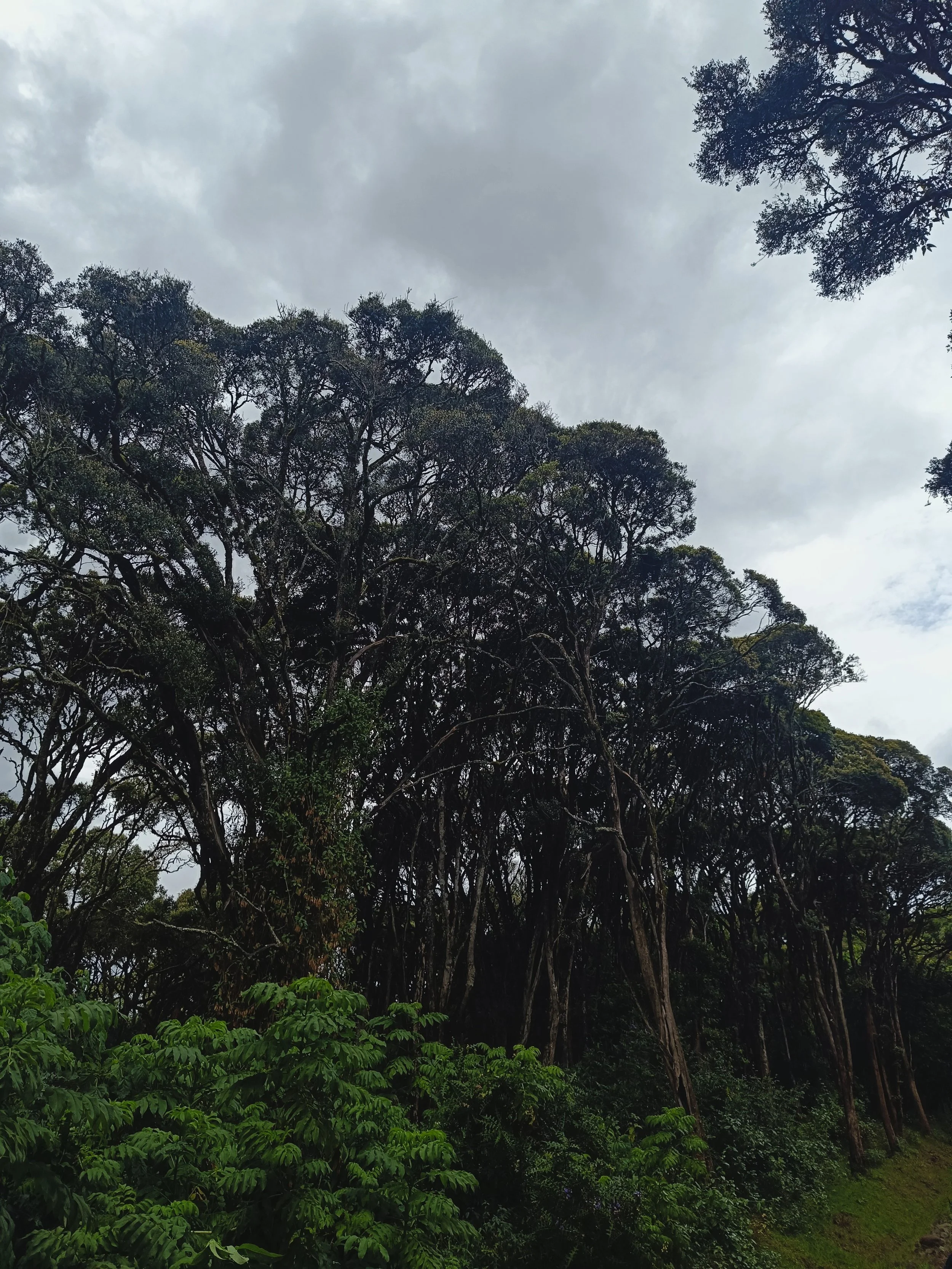
From Eldoret we went by road through smaller and smaller towns. The fields widened and the buildings thinned out, and once we crossed into Bungoma County, near Mount Elgon, children began calling mzungu after me, the Swahili word for a white person or a foreigner. The further we went, the more often I heard it. I liked it. It was more direct than anything in the city.
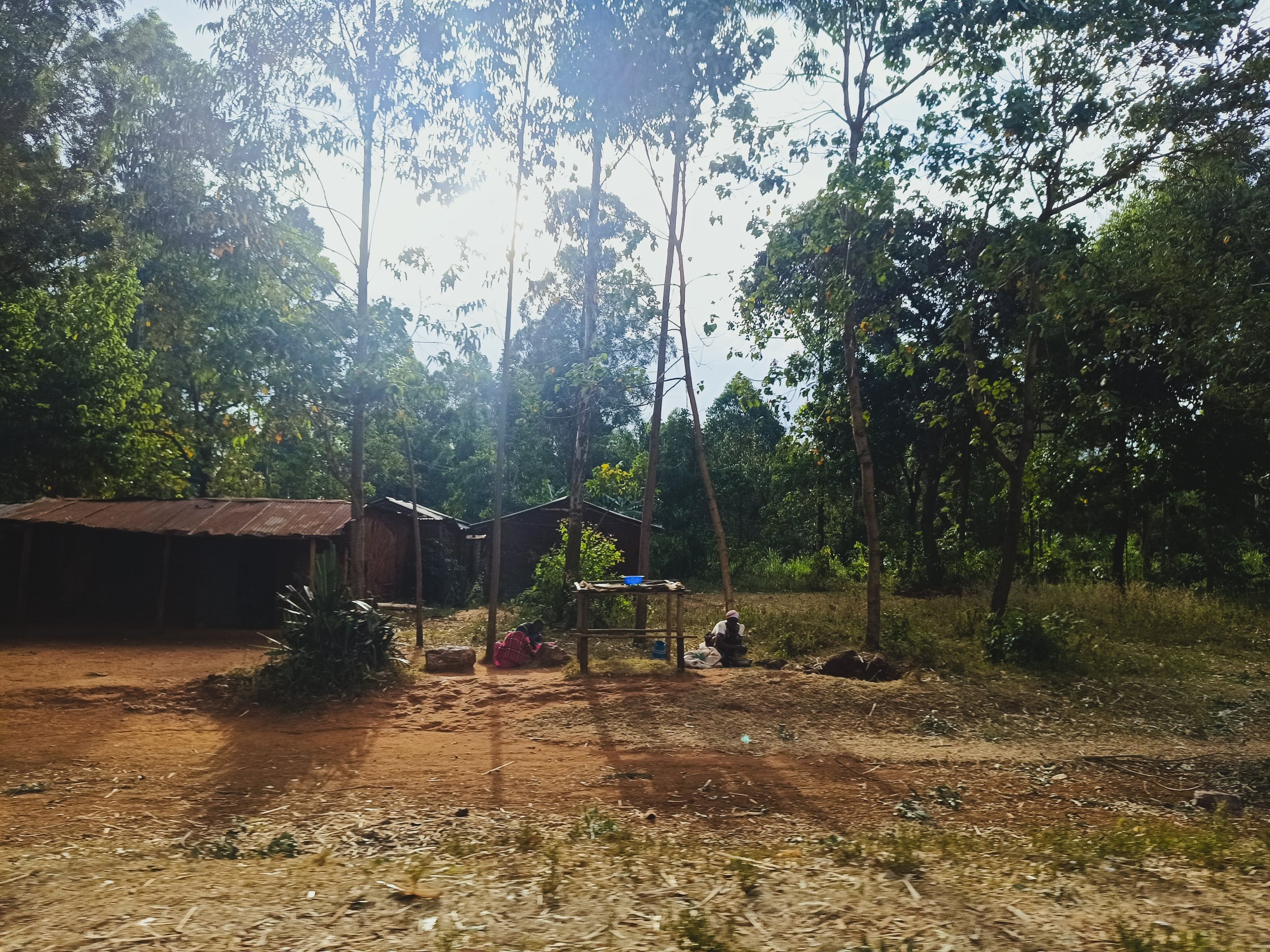
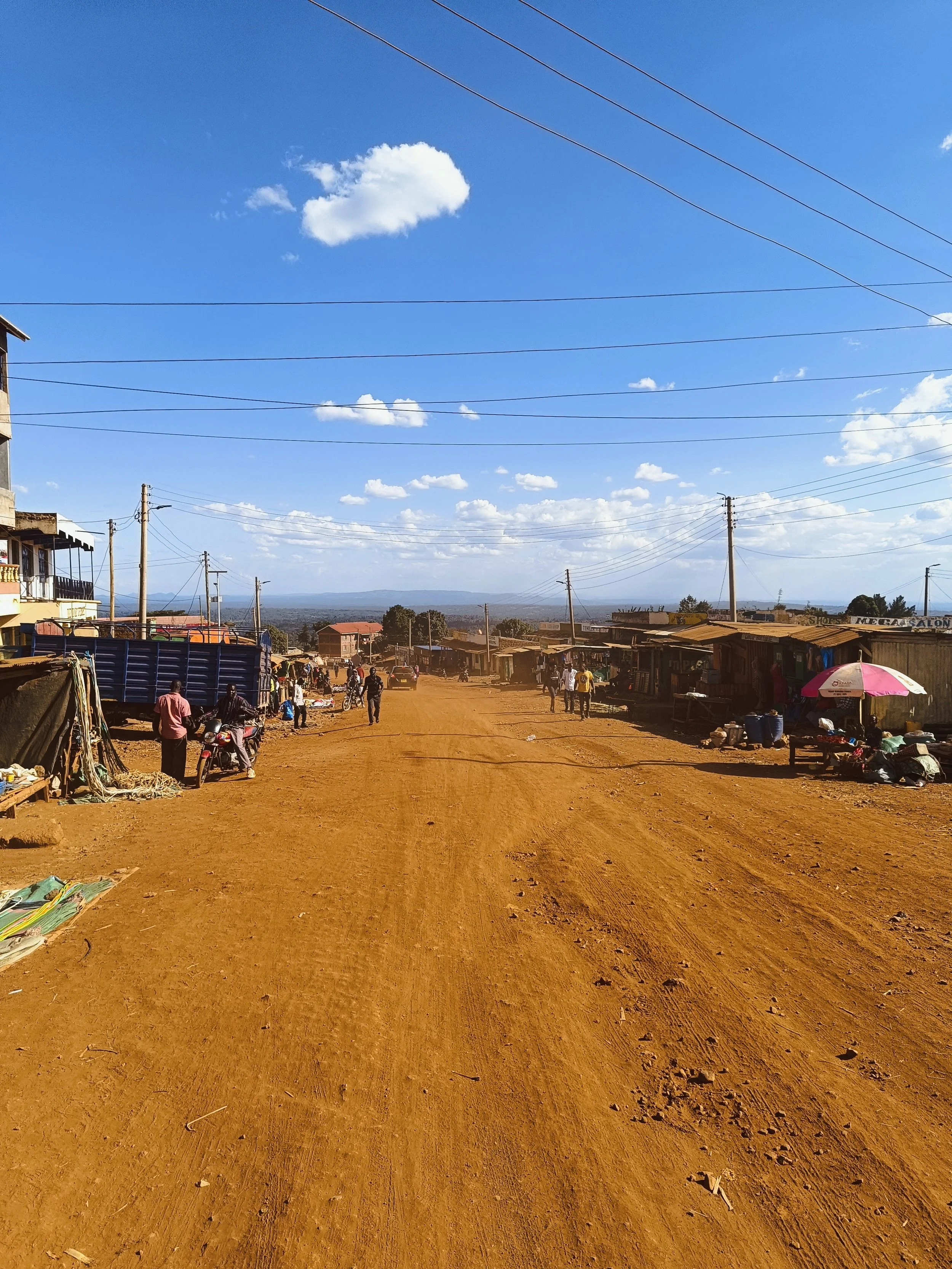
In Kimilili, Isack, the husband of Linnet’s sister Carol, met us and drove us the rest of the way. The tarmac gave out and the road turned to red earth worn smooth by the weather. We passed through Kapsokwony without stopping and kept climbing towards the edge of the Mount Elgon forest. The air grew cooler and greener, and I grew more nervous. We were close now to her parents’ house.
Family
We reached Kongit in the early evening, with the dark coming down. About twenty people were sitting on chairs in the yard under a canopy. We were late from Nairobi and they had been waiting for some time, and nobody seemed to hold it against us.
The introductions were formal. A priest spoke first, and then the family introduced themselves one by one. When my turn came, I began in Swahili: Habari, ninafurahi kukutana na ninyi, hello, I am happy to meet you all. The answer came in smiles before it came in words. After that I introduced myself properly and said what Linnet means to me, and the tension I had carried up the mountain started to ease.
Inside the house the talk was careful at first and grew easier as the evening went on. I was given ugali, the stiff maize porridge eaten all over East Africa, with goat meat and vegetables, and later a clear spirit and a traditional wheat beer drunk through a straw.
Her father and I had very little language in common and got on from the first evening, with a lot of laughter and not many words. Her mother laughs as easily as he does. The family is large, far larger than families I know in Europe. They are Sabaot, one of the Kalenjin peoples, and the clan is at the centre of things. Over the following days I met the head of the clan, who set out what marriage would require, and more of the family, including two grandmothers, one in Kongit and one in Gitwamba. The rest of those conversations I will keep to ourselves.
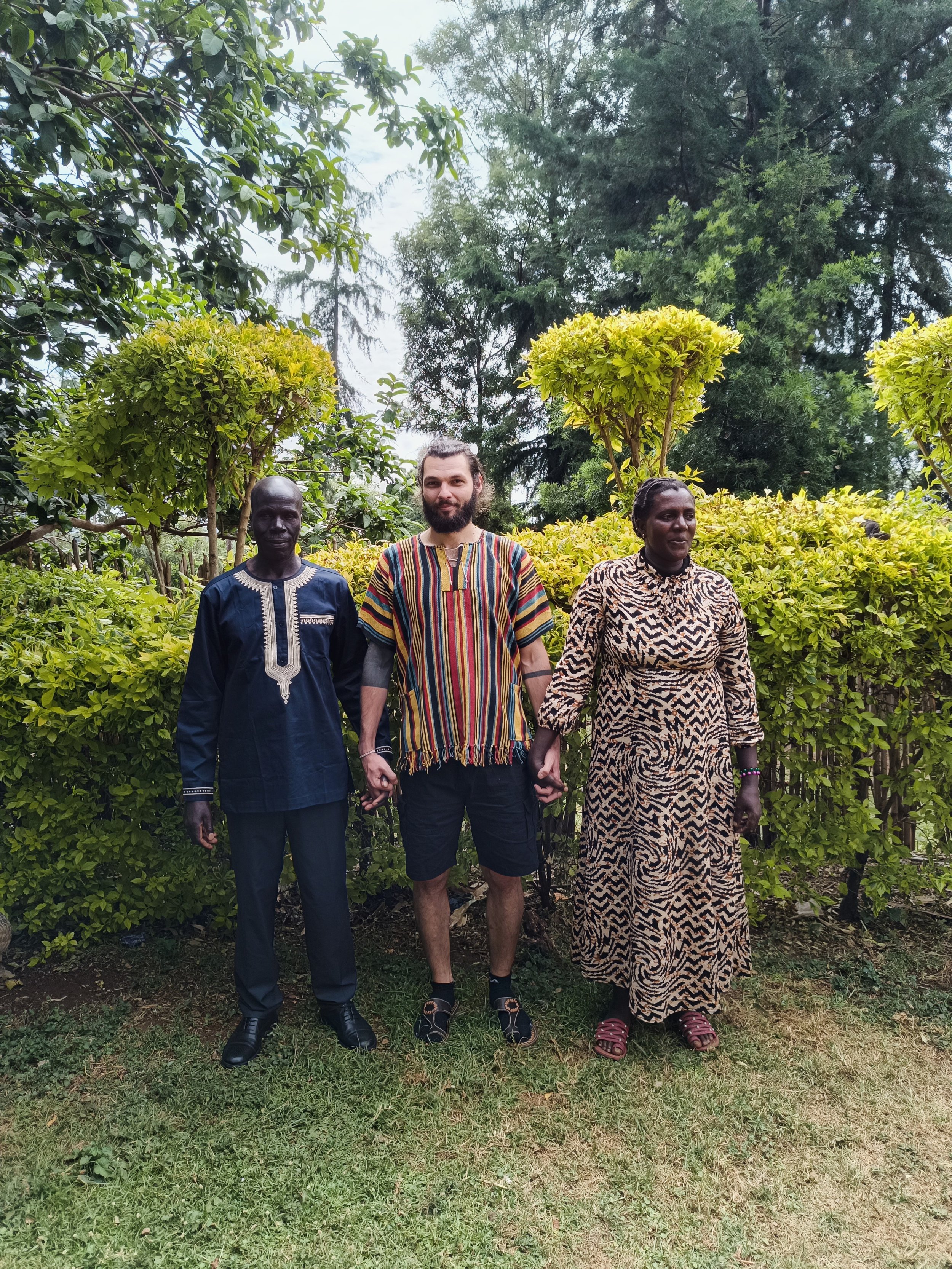
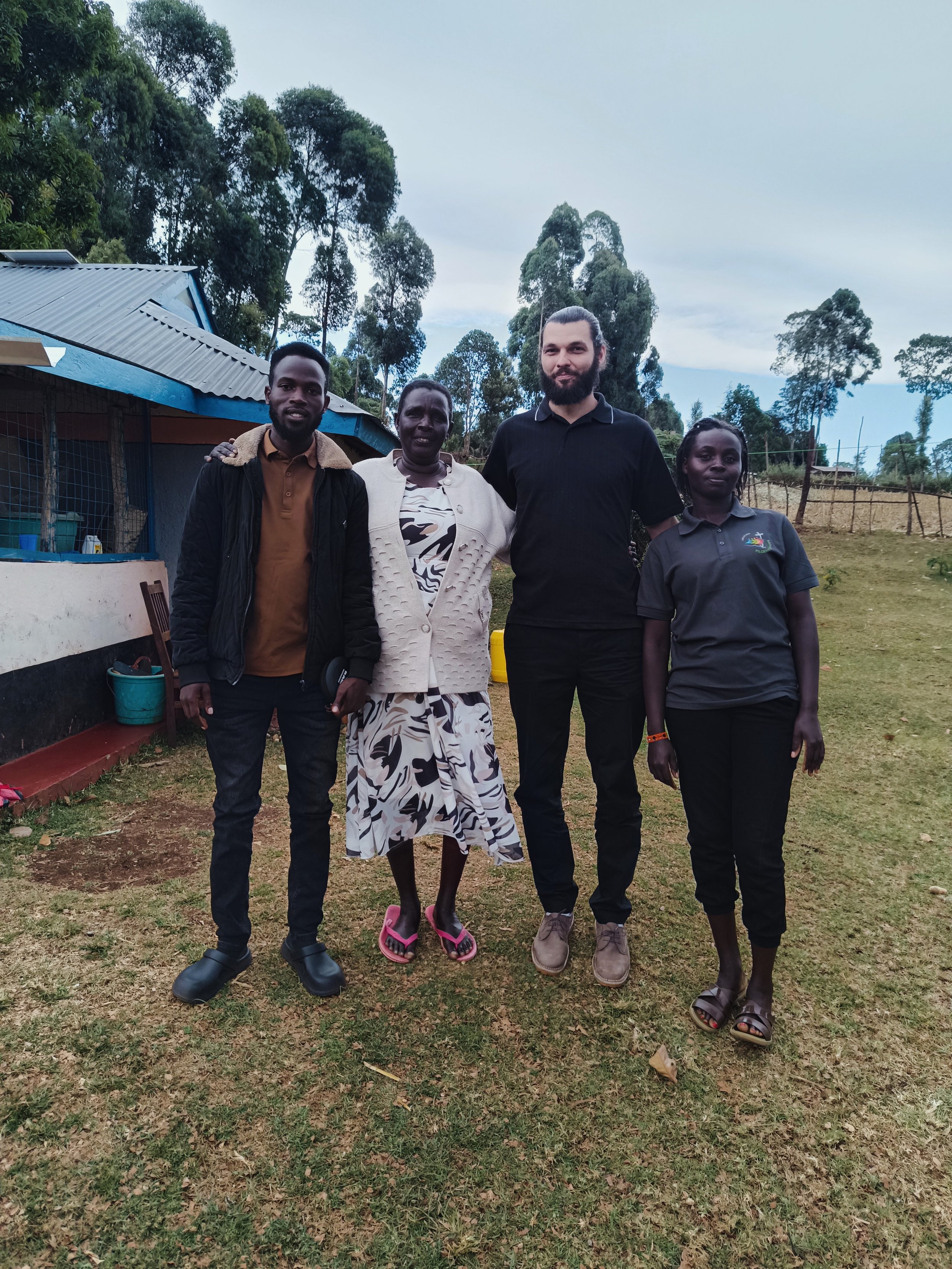
Linnet’s parents, Kongit, Kenya, 2025
Linnet’s grandmother, Kongit, Kenya, 2025
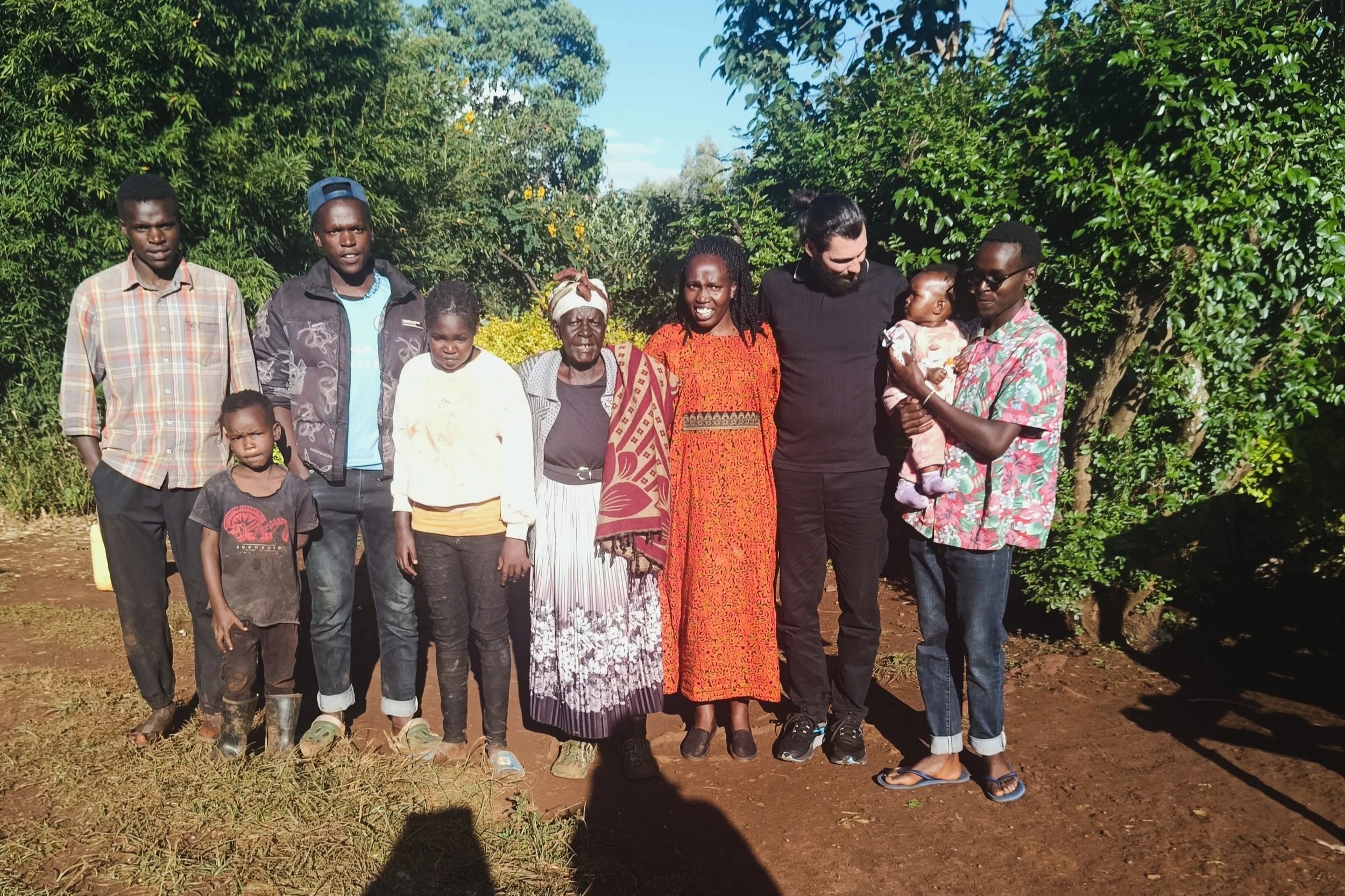
Linnet’s grandmother, Gitwamba, Kenya, 2025
The Days
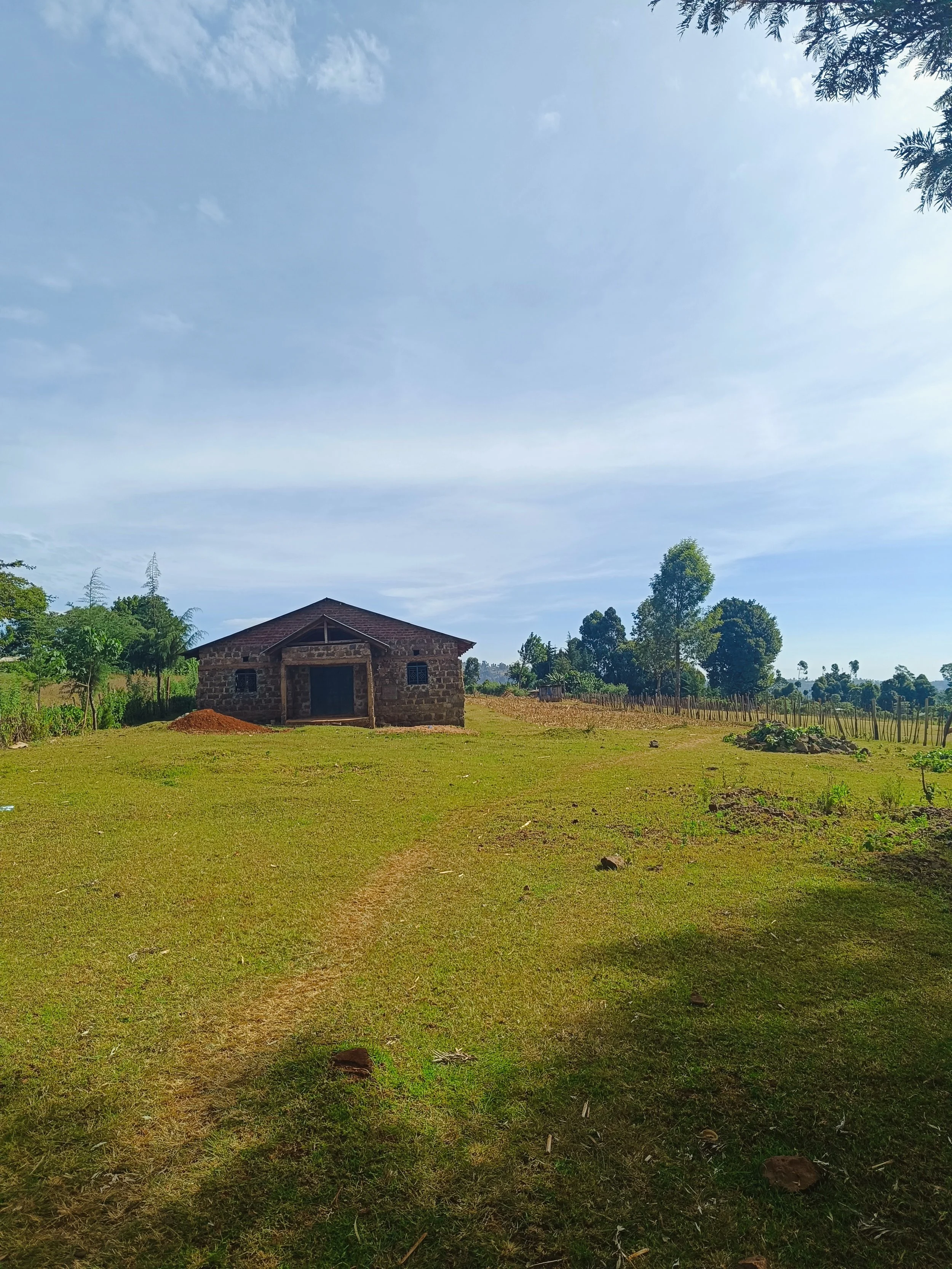
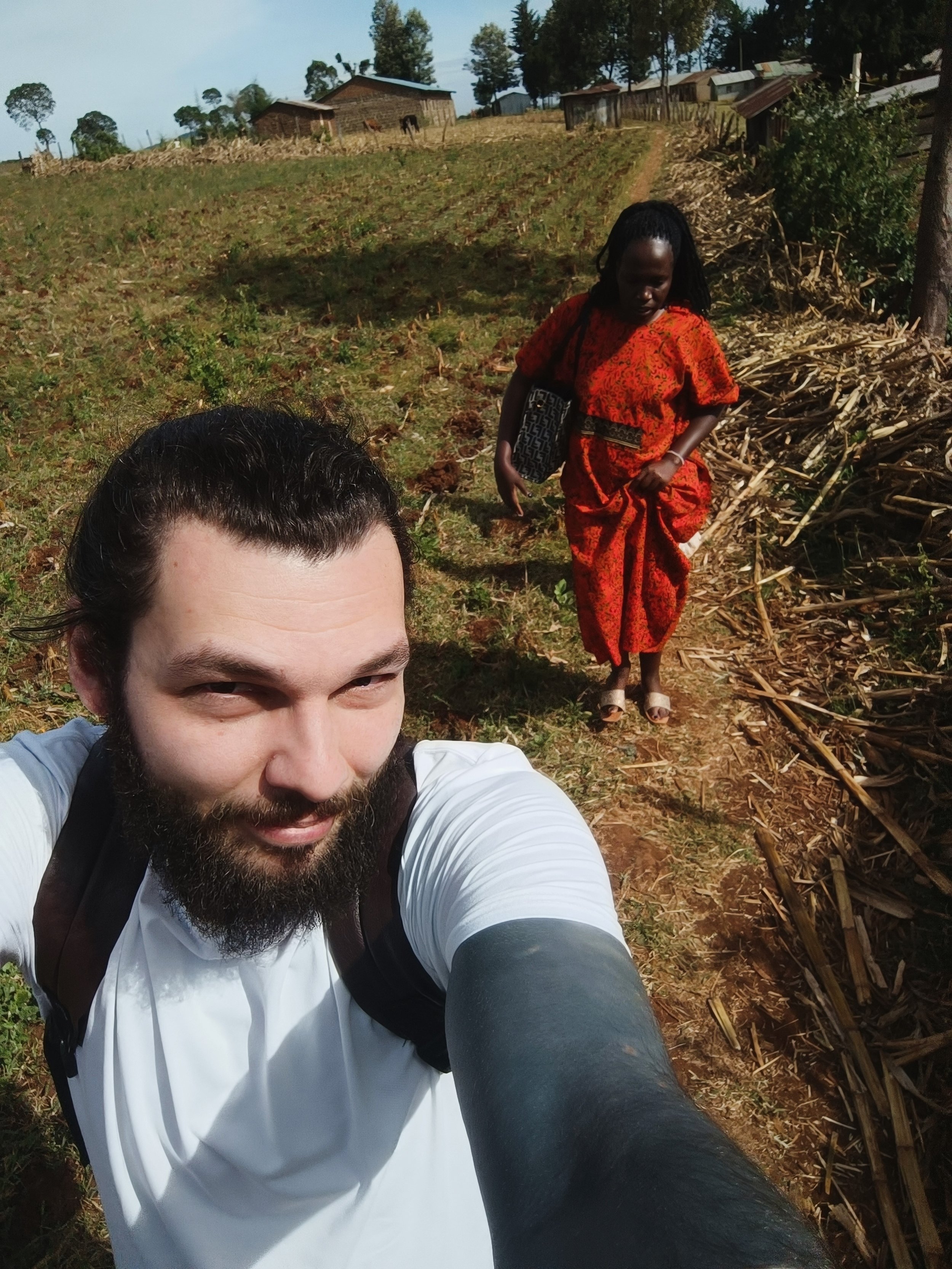
Our days took a simple shape. We slept some distance away, and every morning we walked back across the fields to the family house, where there was chapati and strong sweet tea. By then we were five: Linnet, her brother Emmanuel, her cousins Jacob and Viola, and me. We decided each day as it came.
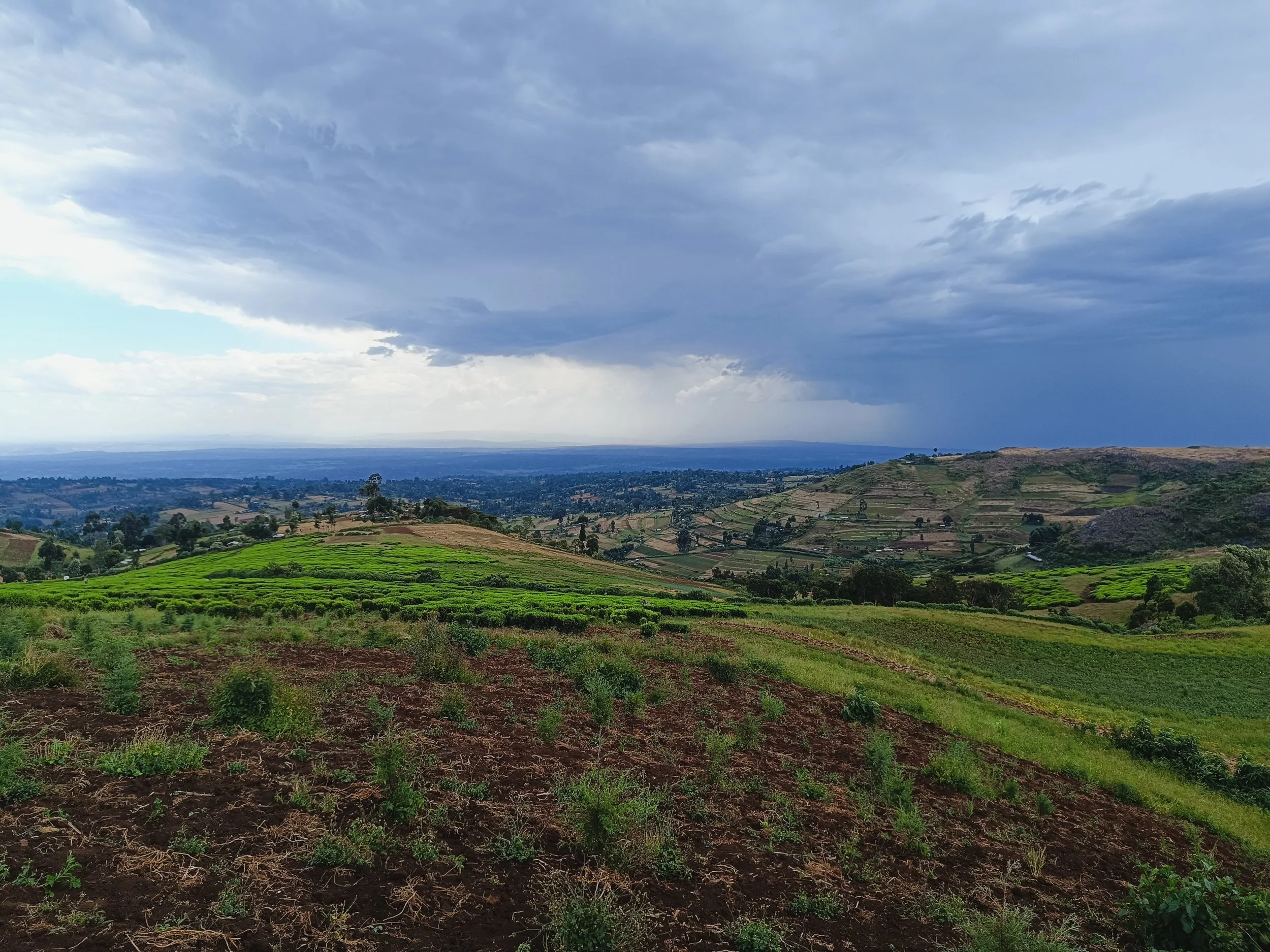
On the first of them we set out for one of the highest points in the area, through tea farms and villages, expecting a short walk. It took the whole day. We carried music, blankets and drinks, people greeted us as we passed, and children joined us and followed us for stretches of the path.
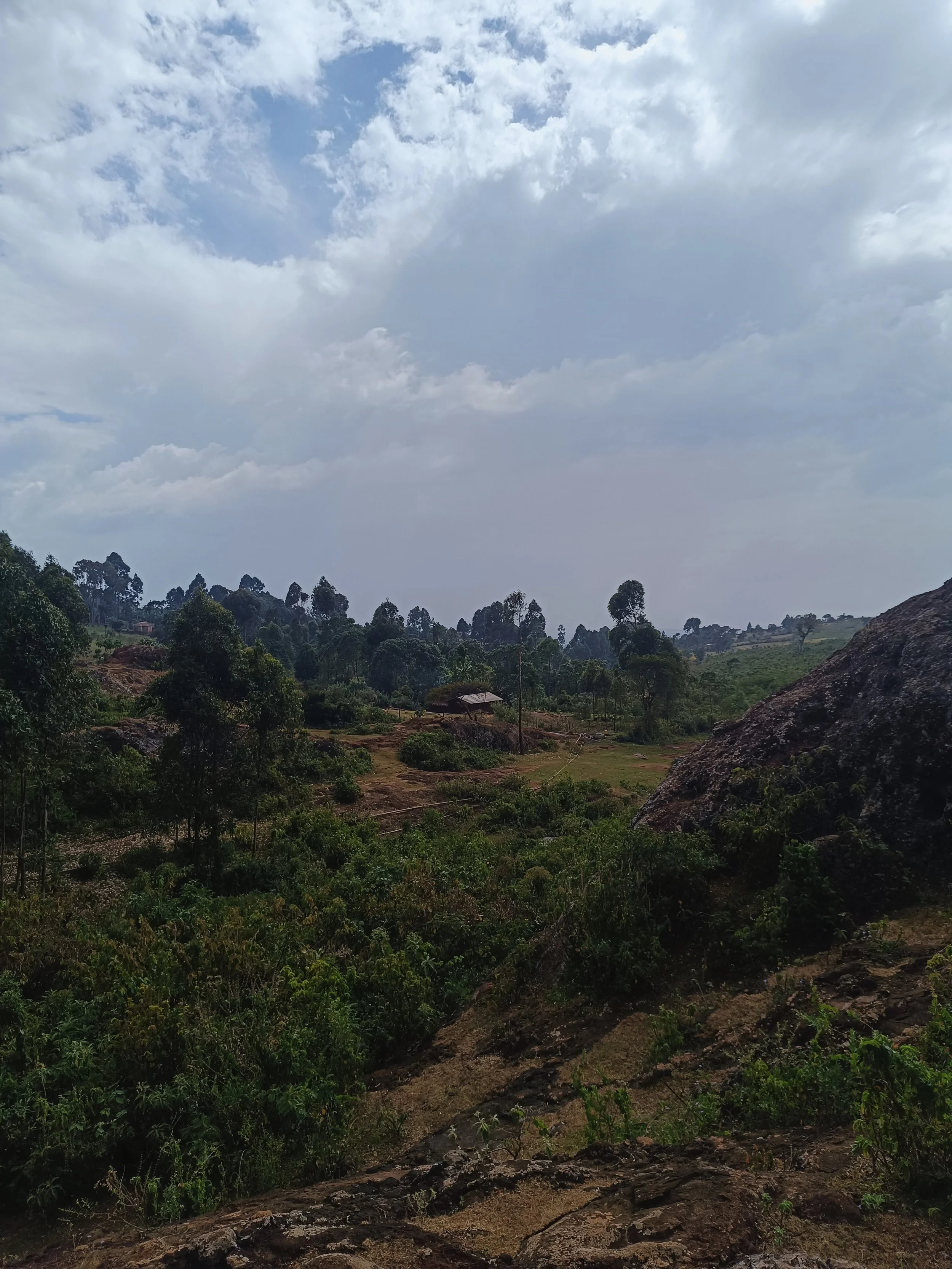
On other days we took a scooter to Kapsokwony to buy food for dinner, or to see Carol at her husband’s tailoring shop. Once we set out to explore the forest that runs towards the Ugandan border and were caught by rain on the way. We took shelter in the nearest house, where a man was eating potatoes. He welcomed us in without hesitation, and we stayed with him until the rain had passed.
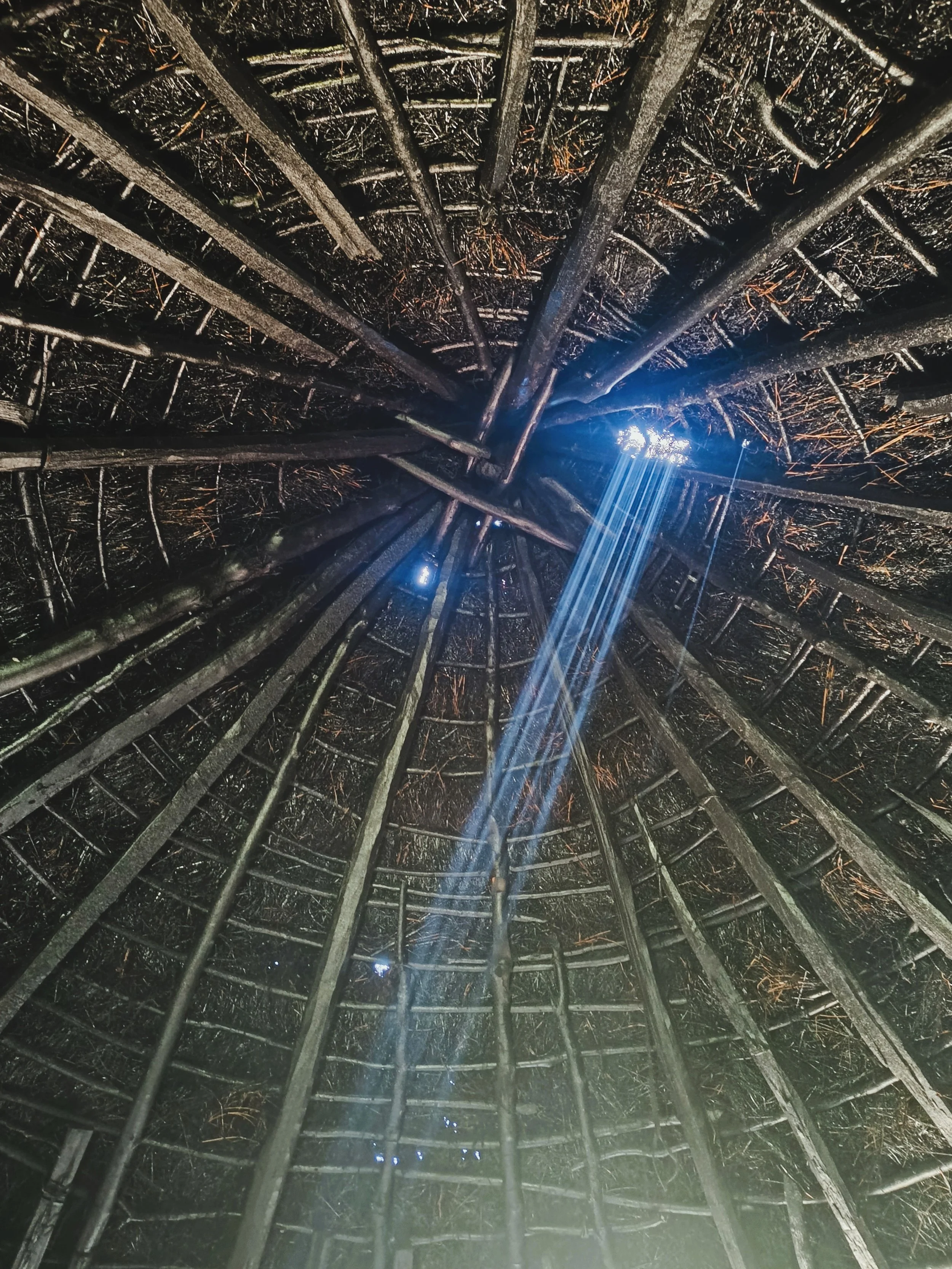
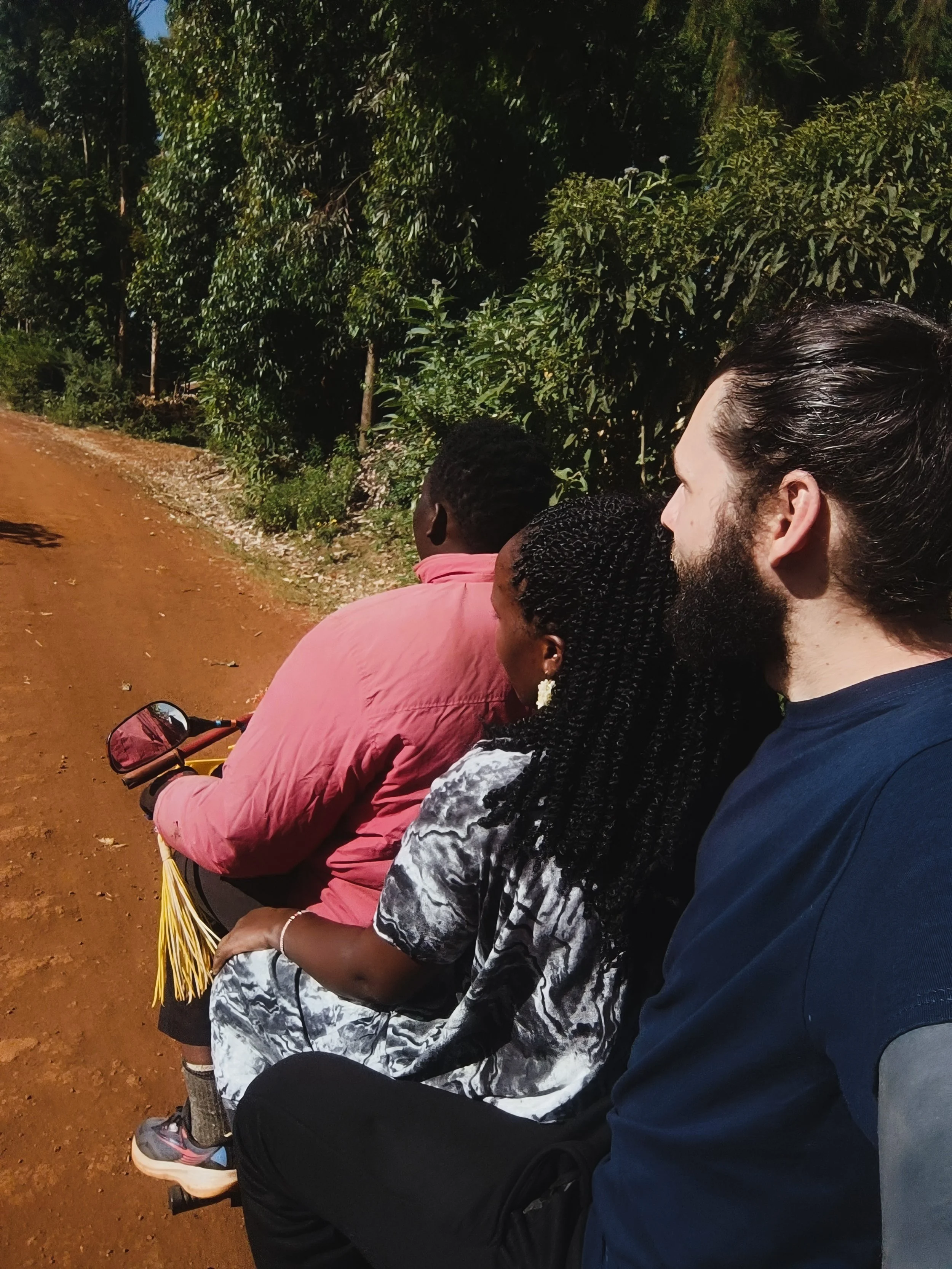
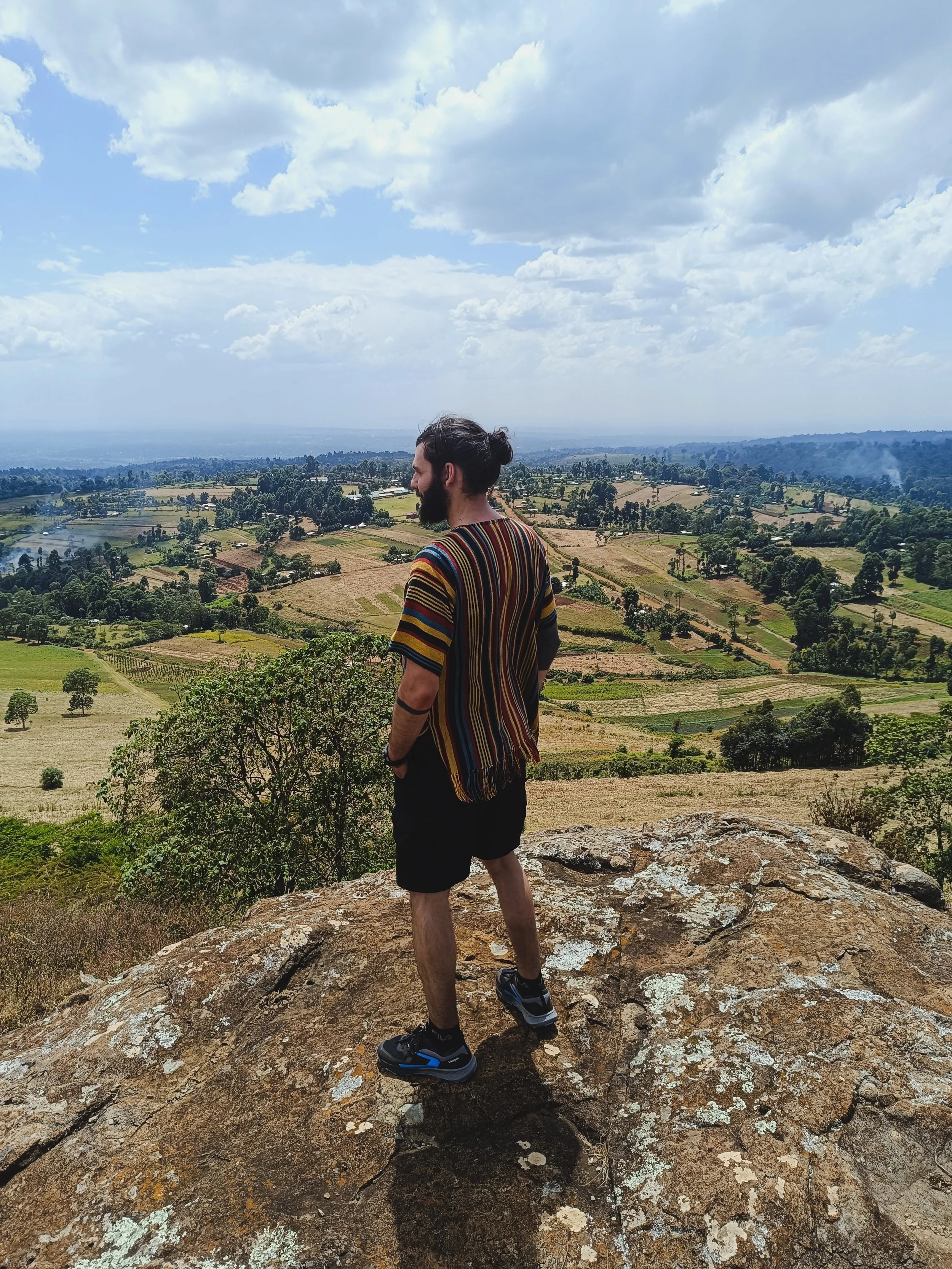
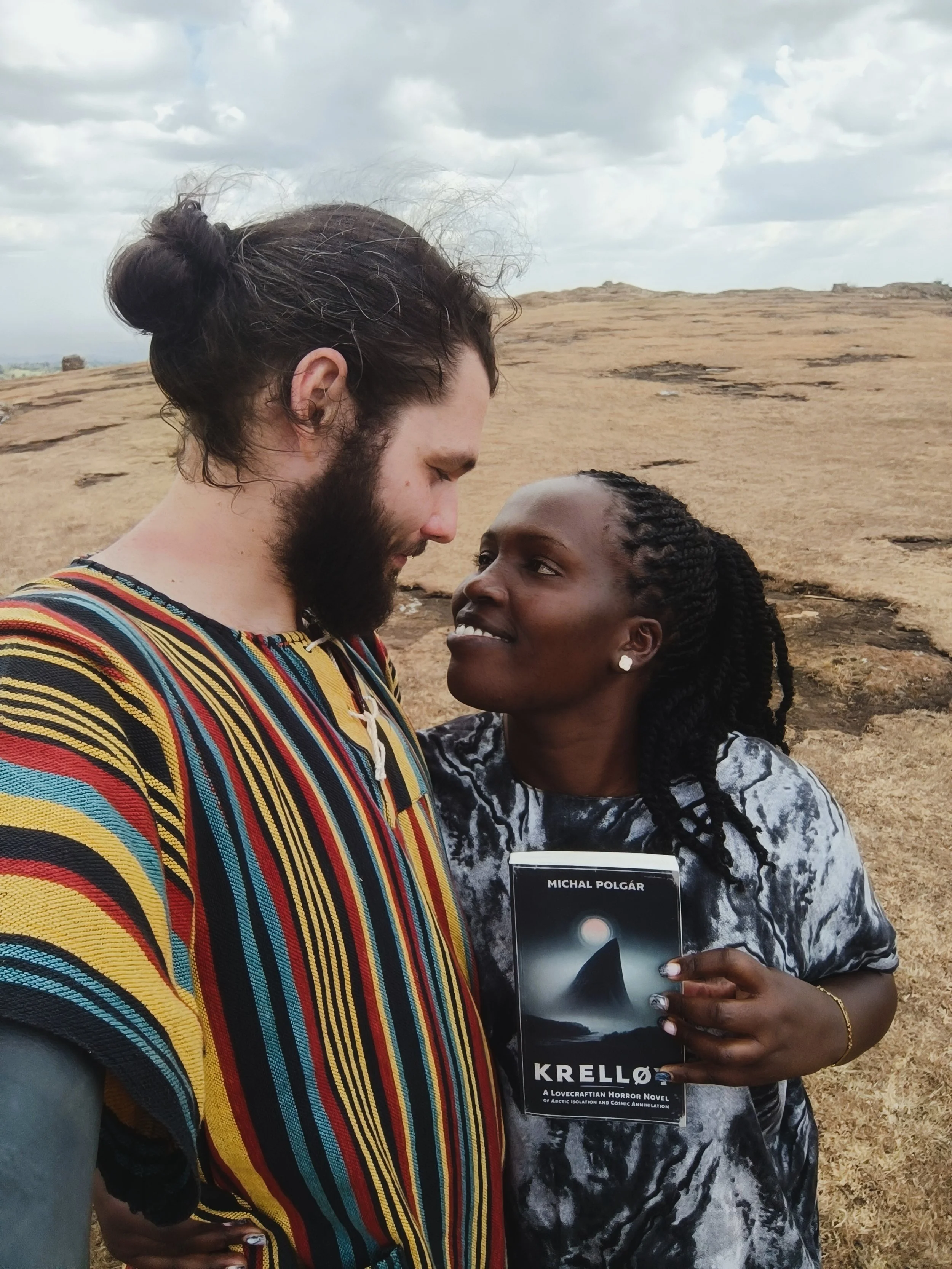
Kitum
One thing I hoped we would do was visit the Kitum Caves in Mount Elgon National Park. I suggested it almost casually and expected someone to object. Nobody did.
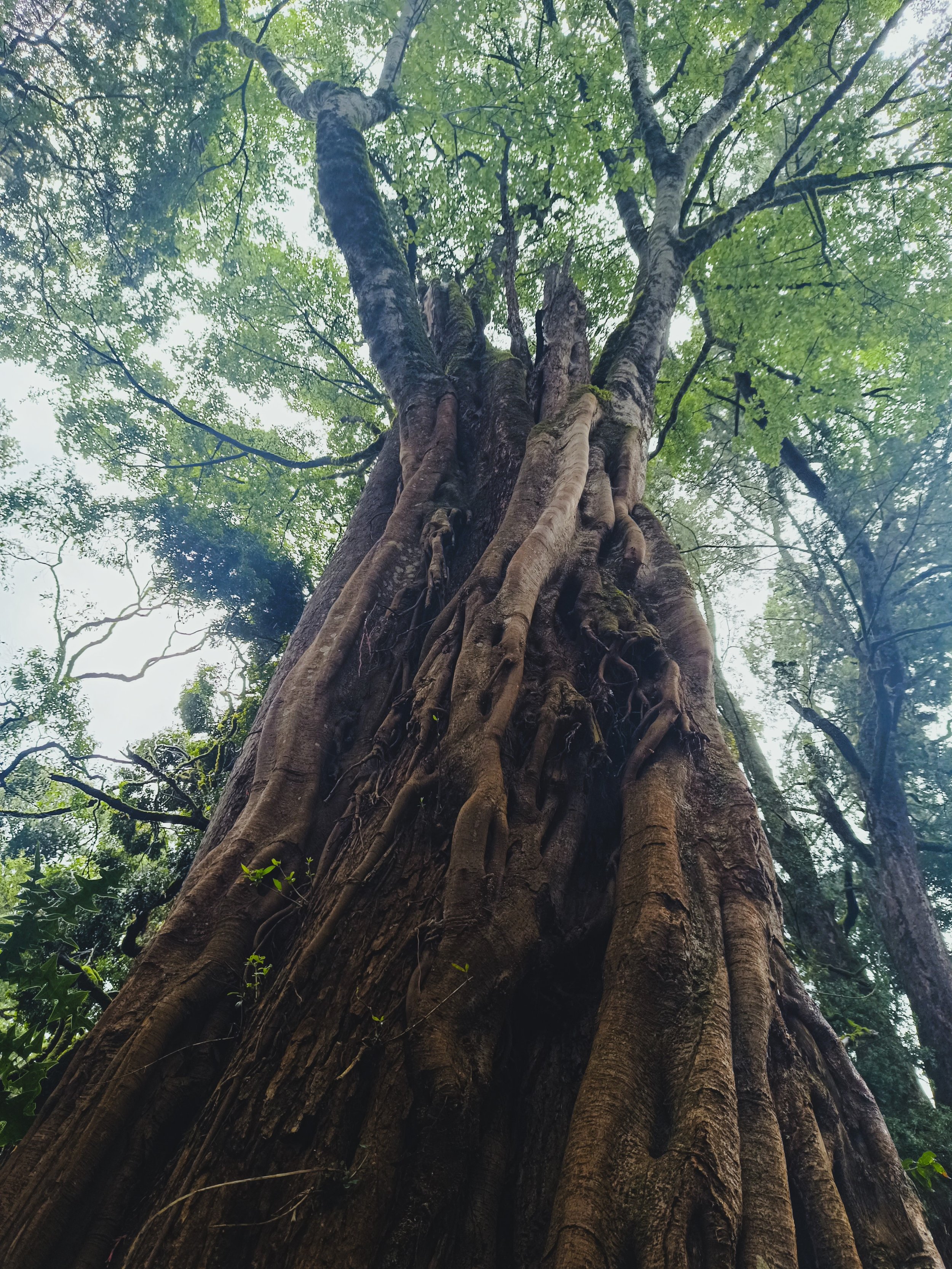
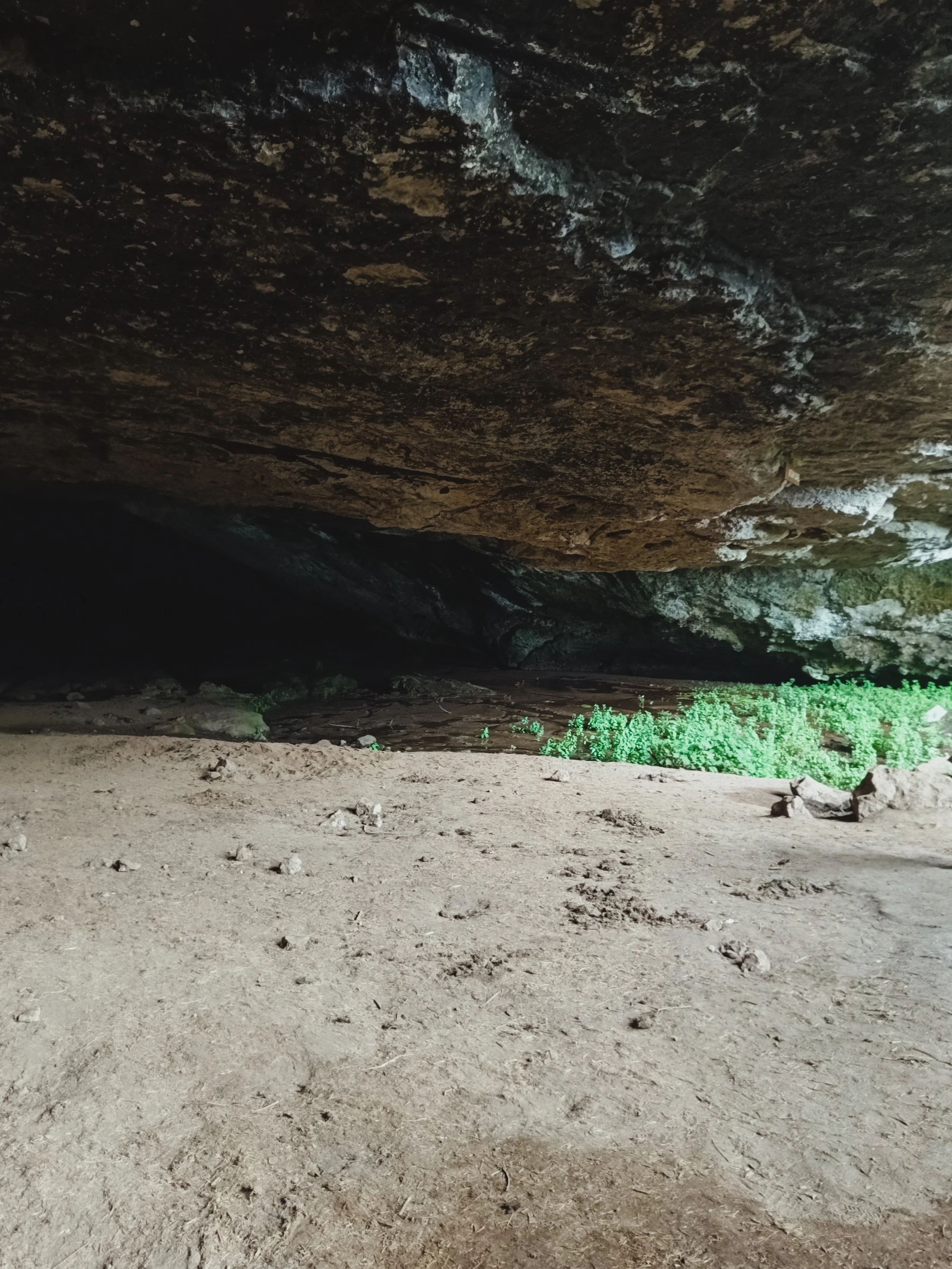
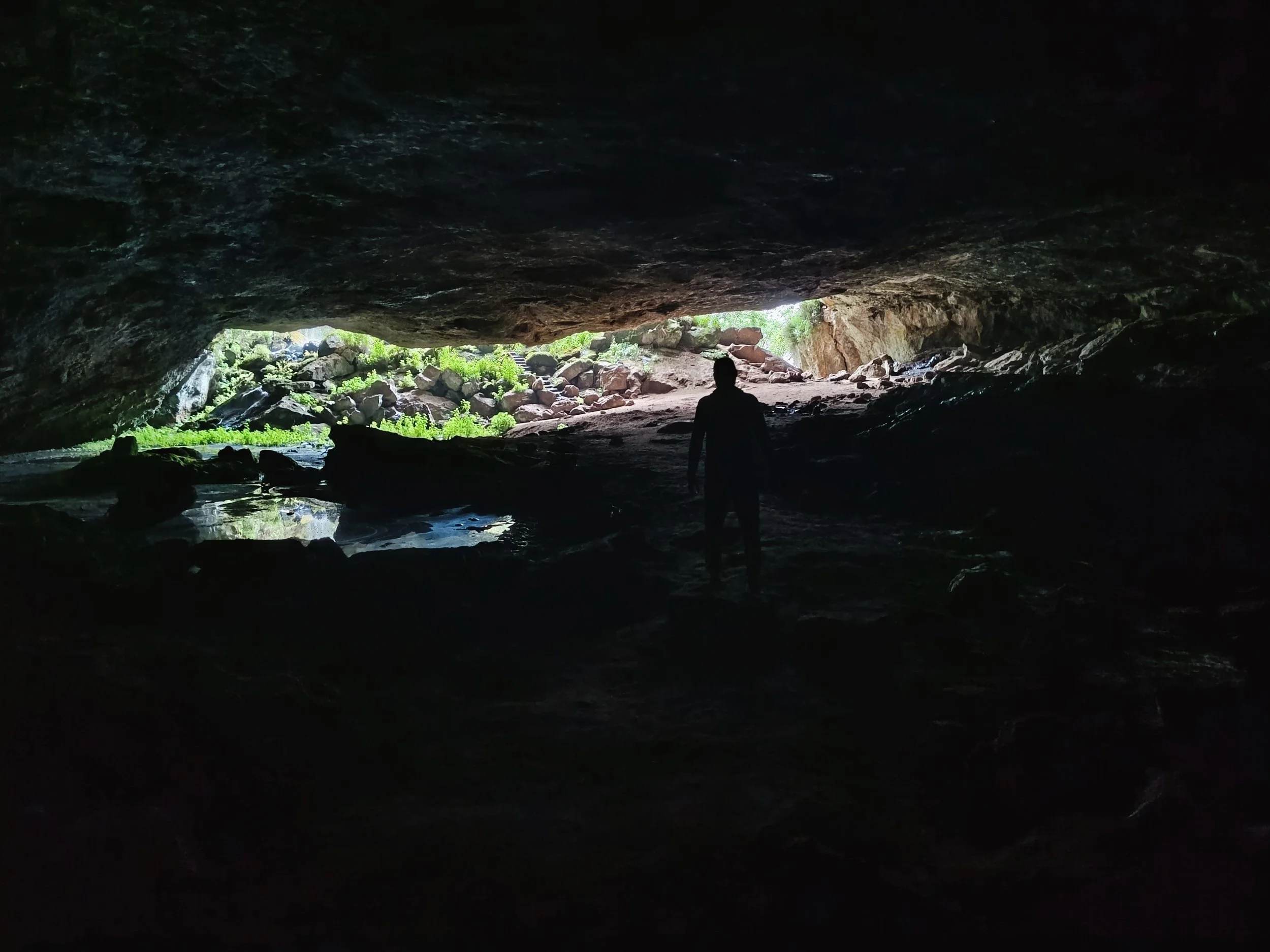
On the map the caves looked close. By motorbike it took nearly three hours. We hired two bikes so the five of us could travel together and left early in the morning, and the road was long and dusty, and I enjoyed every hour of it. At the park a guide walked us through the forest and told us about the land, the animals and the history of the place. Our first stop was Elkony waterfall, deep in the forest.
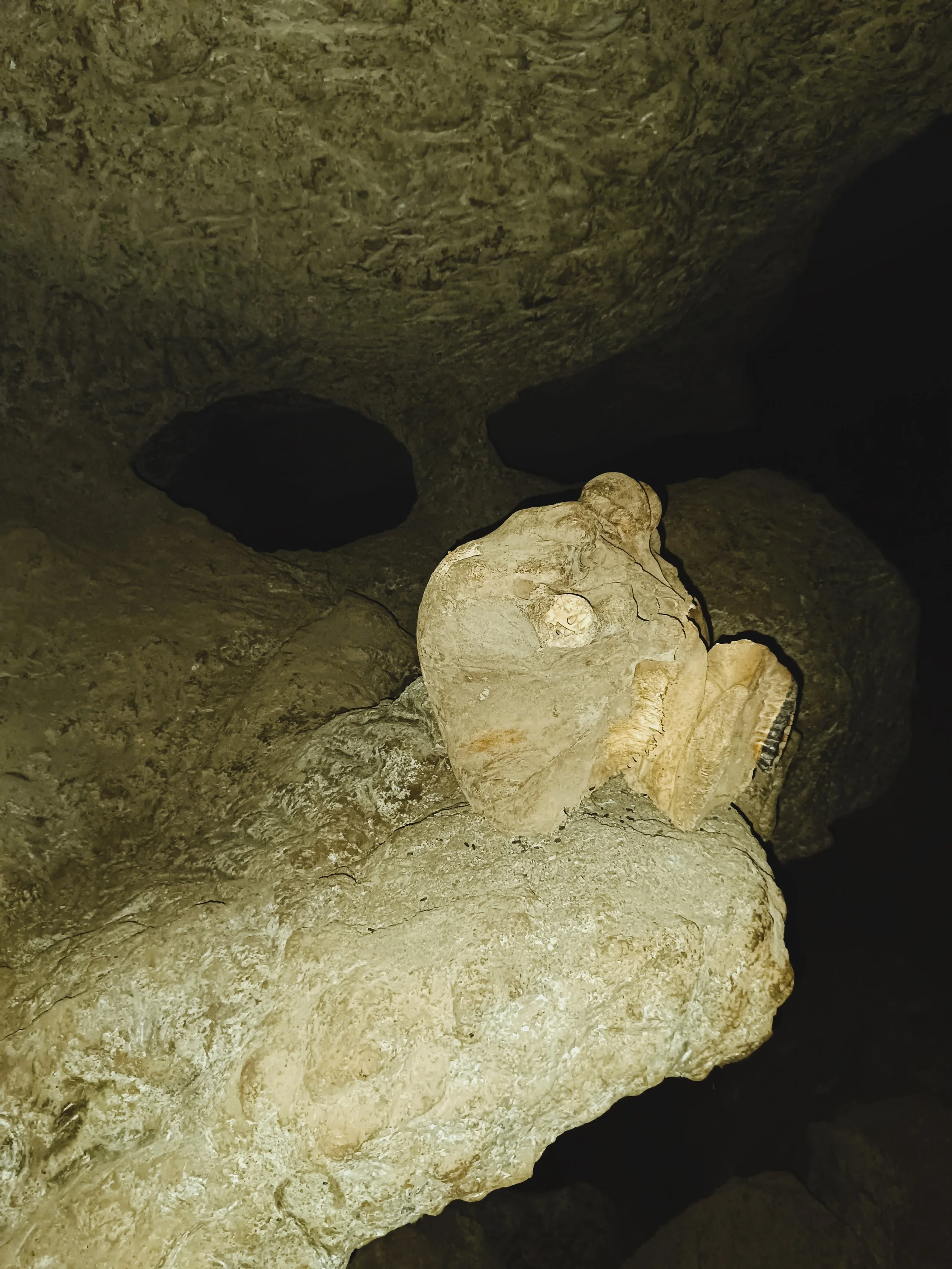
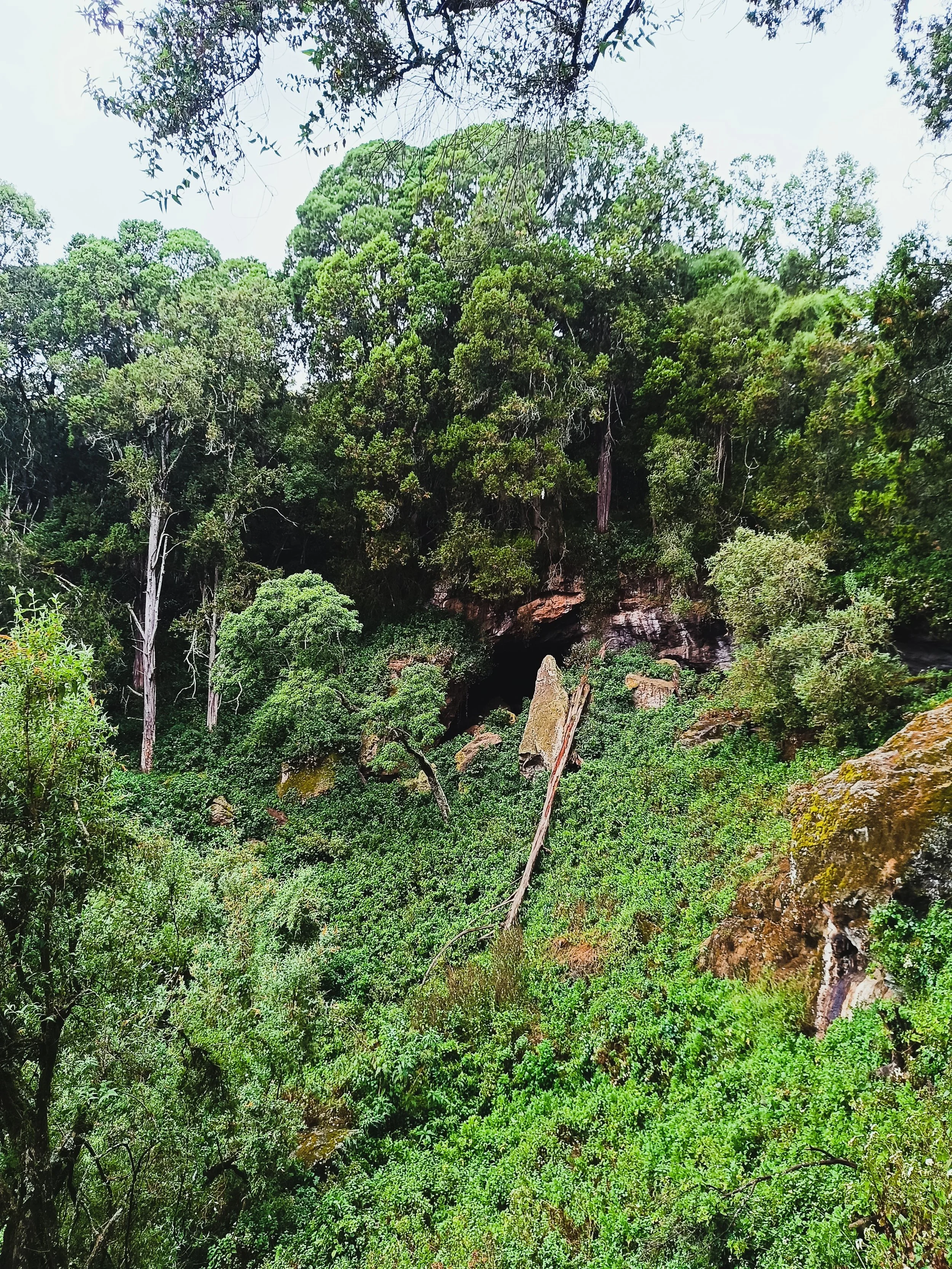
People and elephants have shared Kitum for a very long time. Elephants still come into the cave at night for the salt in the rock, gouging the walls with their tusks and licking what comes away. The walls are covered in their marks, deep scratches left by generations of animals working in the dark. Inside, the air was cool and still, and bats hung above us. At one point we came across the remains of an elephant.
There are stories about the cave. Some of the Luhya people of Bungoma believe it will collapse on anyone who goes in. Another story says siblings should never enter together, or they may not find their way out. Jacob reminded us of this with a nervous smile before stepping inside anyway. He did make it out, which we took as a good sign.
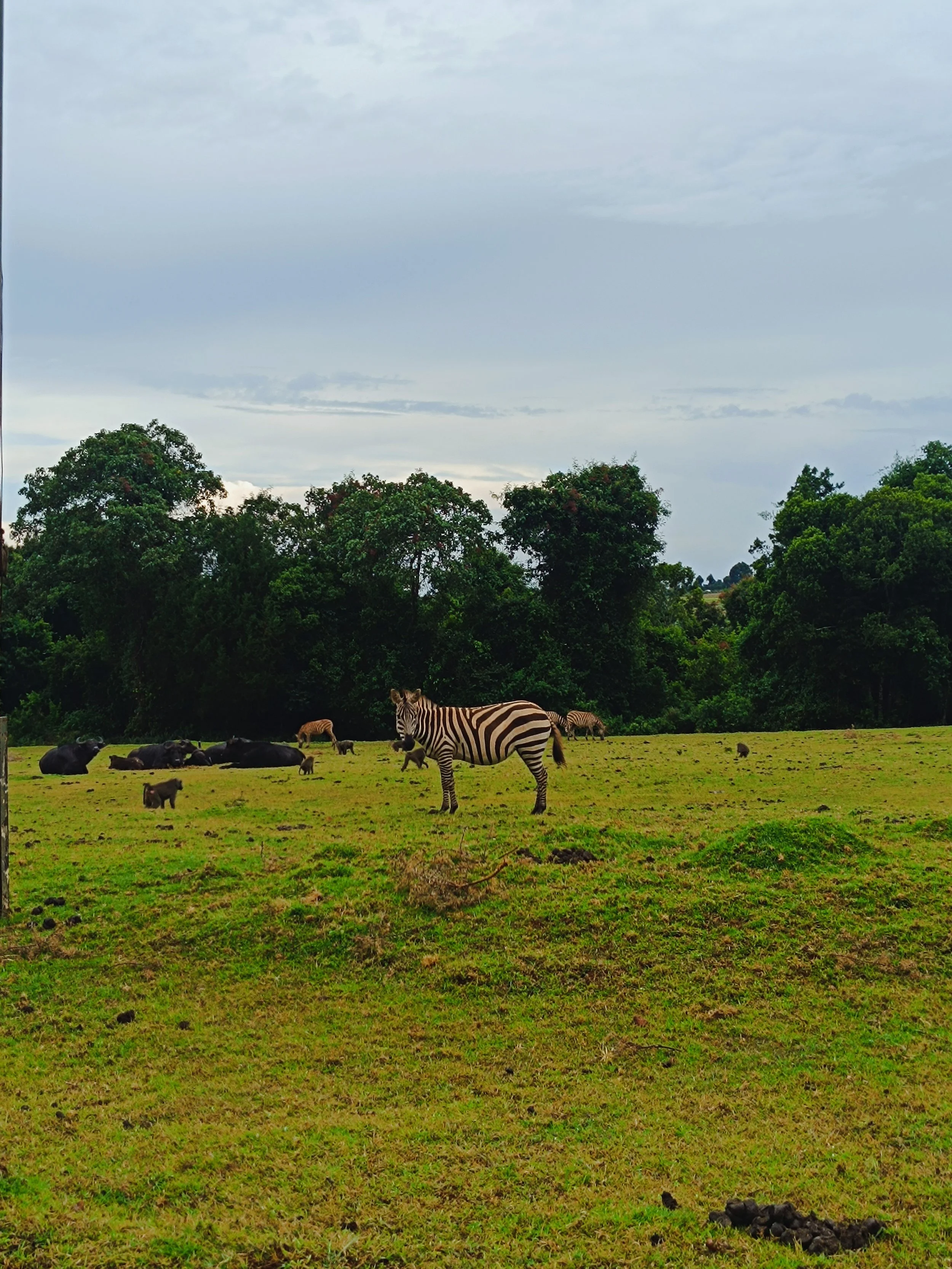
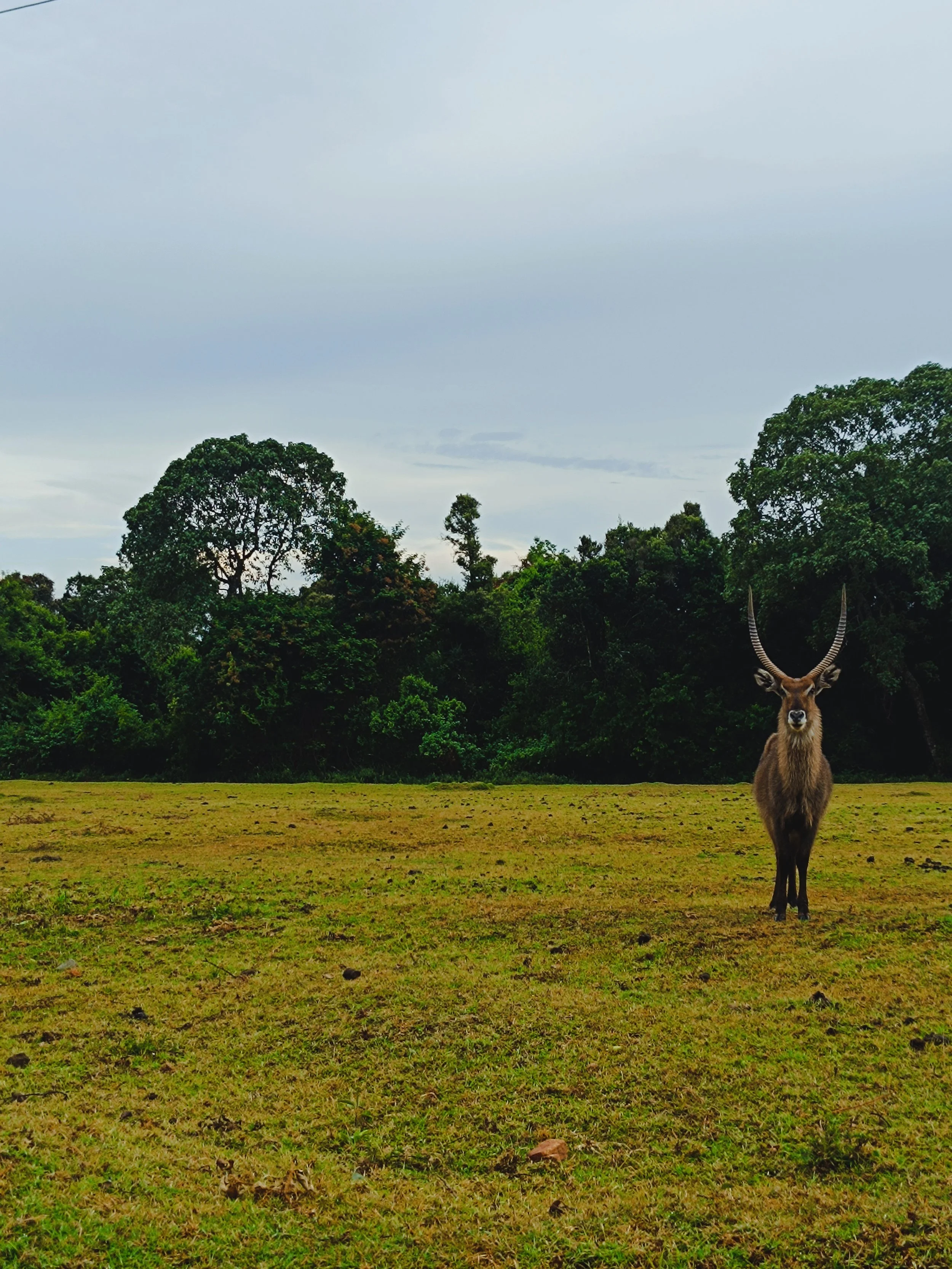
On the way back we saw zebras, buffalo and waterbuck grazing near a school. Children were playing football beside them and called mzungu after me, with the animals moving behind them. For them, this was simply home.
Leaving
The last morning in Kongit began before light. We said goodbye one person at a time, which took longer than the arrivals had, and caught the bus in Kimilili back to Nairobi.
The last days in the city were still full. At the planetarium we learned about constellations and supermassive black holes, and I watched Linnet stare up at the dome. At the Carnivore restaurant I ate crocodile, ostrich and a part of an ox I will leave unnamed. At the Museum of Illusions, and later in virtual reality, Linnet moved through everything calmly. I did not.
≭
Kongit had gone into a book of mine from a distance, as a name and a few details from Linnet’s stories. I left it having eaten in its houses, walked its fields with her family and been introduced to its clan. A new story has started to form out of those weeks. It is not ready, and it does not need to be yet. Some of what I saw will stay private, and some of it, in time, will find its way into a book.
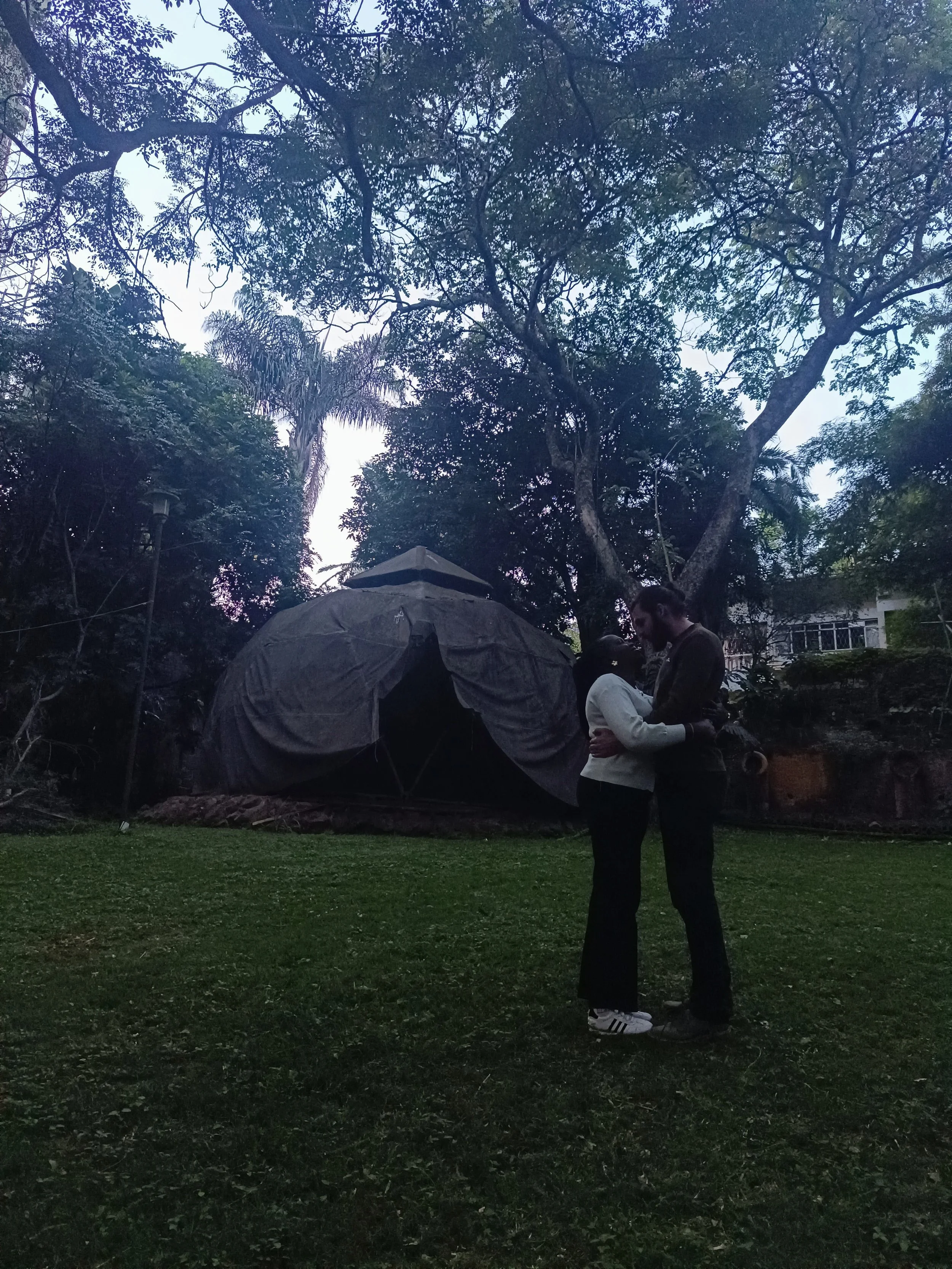
The Travelling Telescope, Nairobi, Kenya, 2025
Thank you to Linnet’s family for taking me in.